
Warming temperatures in the Arctic are transforming political dynamics in the region. As the ice within Greenland’s vast interior melts, remnants of bygone military ventures are reemerging, uncovering both forgotten facilities and potentially dangerous pollutants. This evolving landscape challenges prior beliefs about the enduring security of ice-entombed materials and compels governments to address hidden Cold War liabilities.
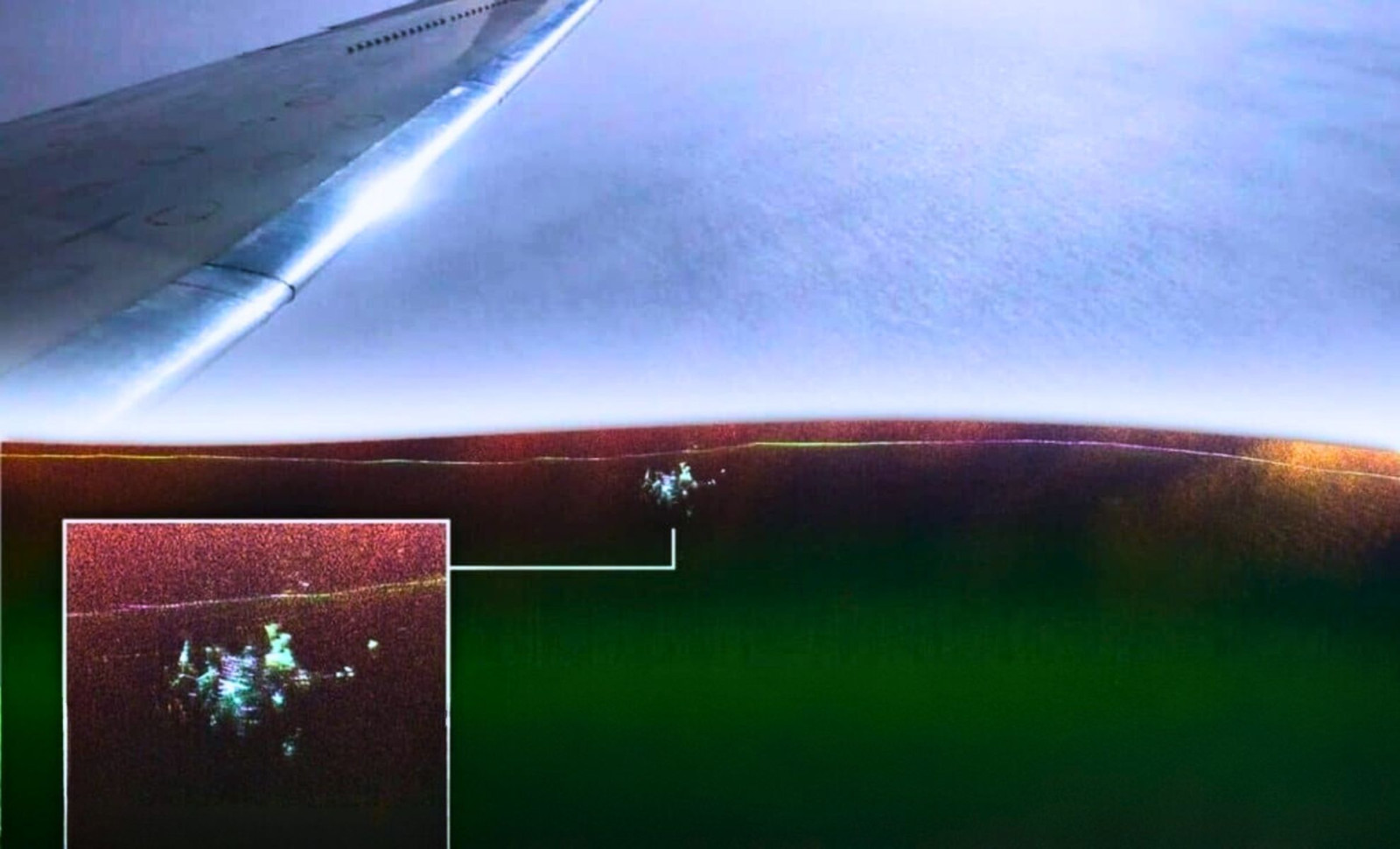
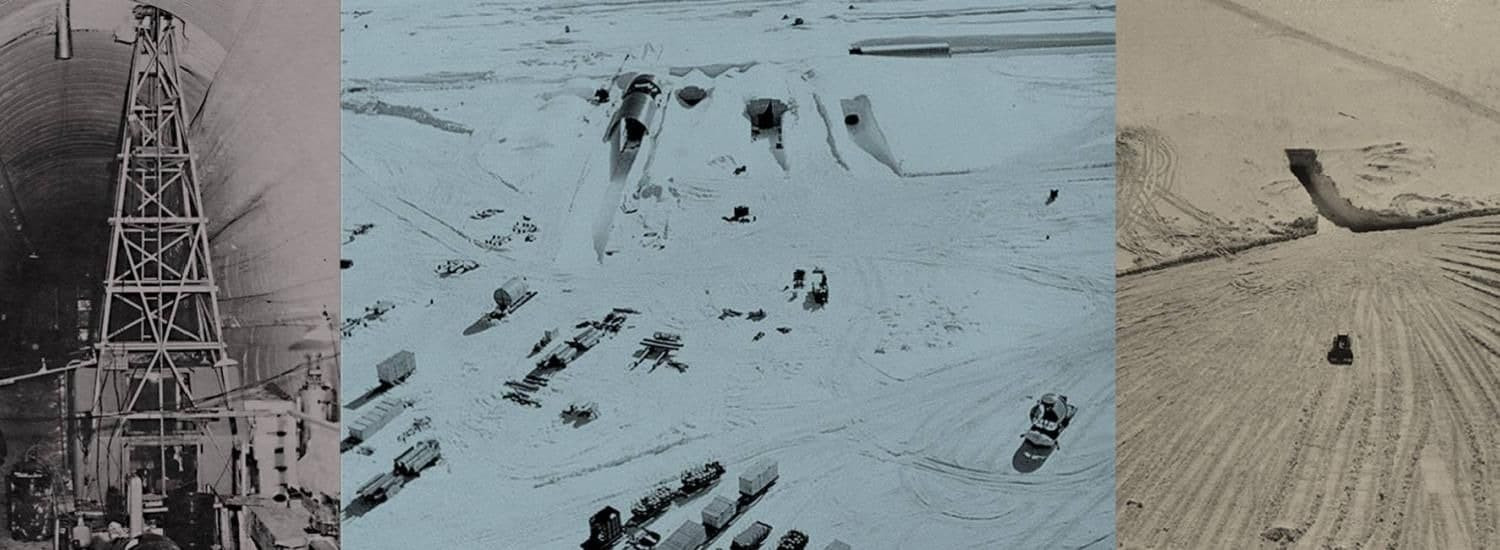
Recent radar observations provided by NASA have validated the presence of Camp Century, a U.S. military outpost deserted in 1967 beneath the northwestern ice sheet of Greenland. Constructed during an intense period of U.S.-Soviet rivalry, this base was part of the top-secret Project Iceworm initiative aimed at assessing the deployment of nuclear weapons beneath polar ice. Although the missile venture was ultimately scrapped, the facility and its hazardous waste were left encapsulated beneath layers of snow.
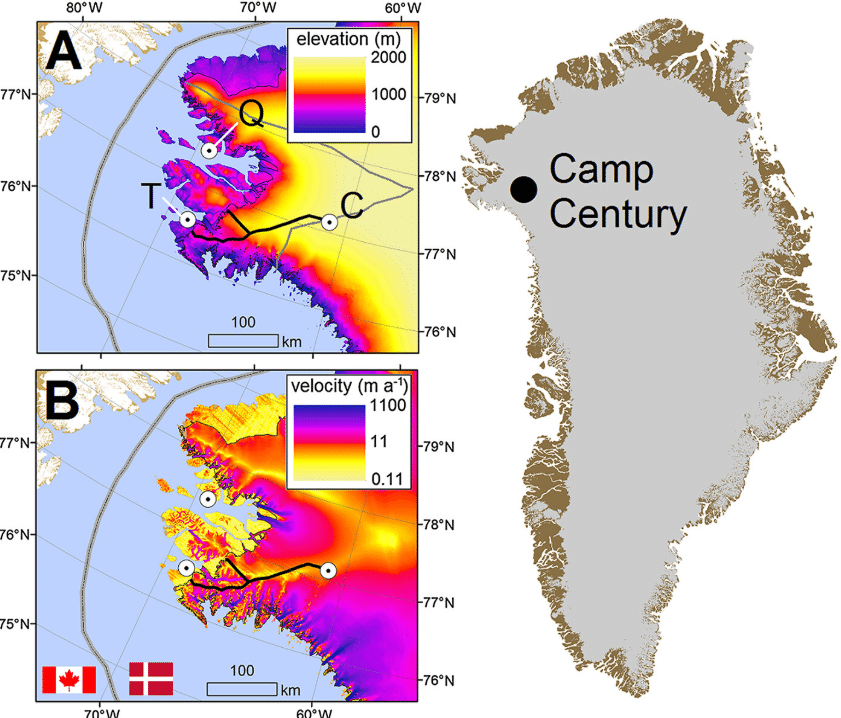
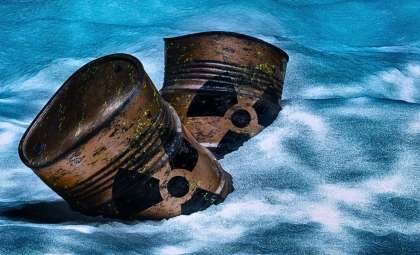
Currently, these buried remnants are at risk. Investigations by the Cooperative Institute for Research in Environmental Sciences (CIRES), detailed in Geophysical Research Letters, reveal that climate warming may cause the ice covering this site to begin melting overall by the late 21st century. This process could expose toxic legacy substances such as diesel, chemical contaminants, and radioactive residues, presenting environmental hazards that transcend regional boundaries and raise complex legal and ecological challenges.

NASA’s Radar Technology Unearths Hidden Cold War Structures
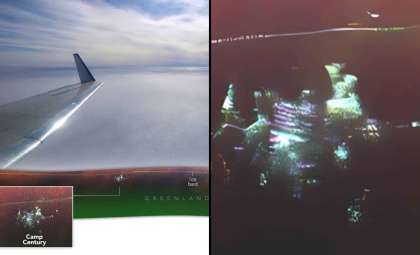
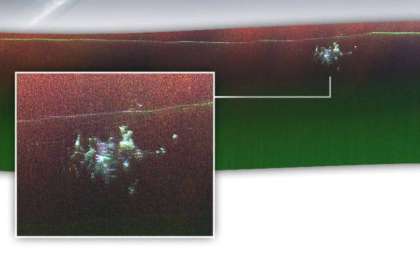
In April 2024, NASA’s Gulfstream III aircraft, equipped with UAVSAR radar systems, accidentally recorded side-scan images of subsurface military installations while calibrating polar ice measurements. The radar data aligned with historical records of Camp Century’s layout, confirming both its location and the extent of underground tunnels and facilities.
Alex Gardner, the lead researcher on the radar mission, commented, “We weren’t specifically searching for the site; it simply came into view.” The side-looking radar provided a three-dimensional understanding of the buried tunnels that previous vertical radar surveys had missed.
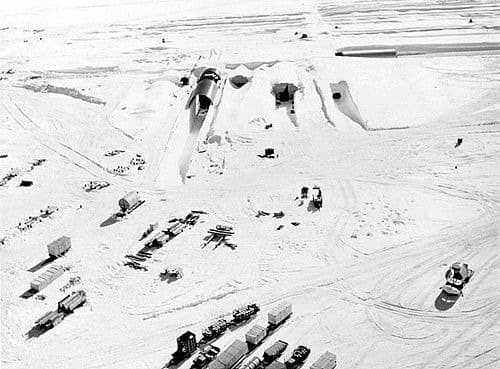
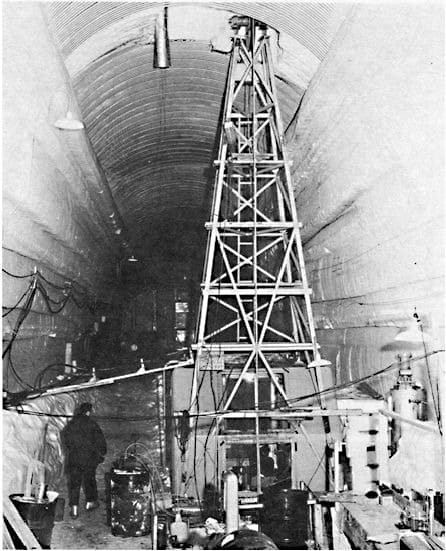
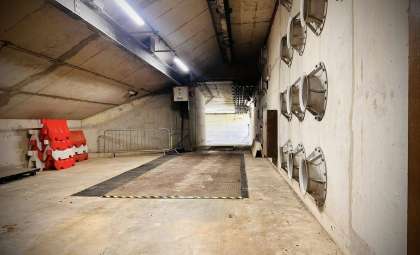
Situated approximately 125 miles from Greenland’s northwestern coastline, Camp Century was established in 1959 by the U.S. Army Corps of Engineers. The base featured a portable nuclear reactor and housed up to 200 military personnel. While the reactor was dismantled and removed by 1964, declassified documents reveal that significant quantities of materials— 200,000 liters of diesel fuel, 240,000 liters of wastewater, polychlorinated biphenyls (PCBs), and radioactive coolant—were left behind and buried in the ice.
Thawing Ice Threatens Long-Forgotten Toxic Deposits
A 2016 report from CIRES scientists used advanced climate simulations to evaluate the long-term durability of the ice above Camp Century. Led by William Colgan, the research predicted that under a high greenhouse gas emissions pathway (Representative Concentration Pathway 8.5), the region may shift by 2090 from gaining ice mass to losing it. This change would initiate the gradual release of contaminants into the surrounding environment, including the glacial and marine ecosystems.
The legacy waste lies between 36 and 93 meters beneath the surface, depending on its composition, consistent with radar signals detected by NASA’s IceBridge project. The research foresees that melting and ensuing meltwater percolation could mobilize chemical toxins, including PCBs, into glacial runoff within several decades even before the debris appears at the surface.
According to Colgan, Camp Century spans about 55 hectares—roughly equal to 100 football fields. “Instead of continual snow accumulation, projections indicate the site could start experiencing net ice loss by 2090,” he explained in the CIRES report.
Legal Complexities and Environmental Concerns in Greenland’s Governance
The abandoned facility raises intricate jurisdictional issues. Camp Century was constructed under the 1951 Defense of Greenland Agreement, permitting U.S. military operations with Danish approval. Nonetheless, the missile deployment plan, Project Iceworm, was kept secret from Denmark. This nondisclosure, unveiled through declassified records in the 1990s, continues to drive debates over accountability and transparency by the United States.
Greenland, now a self-governing entity within the Kingdom of Denmark, has unclear status concerning consent for leaving hazardous materials behind. While Article XI of the 1951 treaty recognizes U.S. property rights in Greenland, it also mandates consultation before disposing of materials onsite. Whether this protocol was properly followed during abandonment remains unresolved.
Environmental cleanup poses practical challenges as the site is buried deep beneath thick ice, making removal impossible with current technology. Experts agree that remediation efforts will likely begin only after substantial ice melt. Meanwhile, responsibility for addressing the environmental risk, costs, and safety remains uncertain.
Cold War Arctic Sites Confront a Warming World
Camp Century is just one example. The NASA Earth Observatory highlights that four other Cold War-era U.S. bases in Greenland, similarly abandoned without cleanup, remain buried beneath ice. Across the Arctic, other legacy installations—especially those linked to the Distant Early Warning (DEW) line—have also required sizable environmental restoration.
The accelerating retreat of ice in Greenland and across Arctic permafrost zones threatens to expose more abandoned military and industrial sites. Though risks vary by site, this trend points to an emerging challenge in managing dormant infrastructure now vulnerable to climate-induced thawing.
While the re-exposure of Camp Century’s toxic legacy is still a future scenario, the irreversible trajectory of climate warming documented in peer-reviewed studies shortens the timeframe for collaborative policy action. As of January 2026, neither the U.S. nor Denmark has announced dedicated mitigation plans, and no international agreement governs liability for abandoned military sites affected by warming thaw.
- Categories:
- News


0 comments
Sign in to Comment