
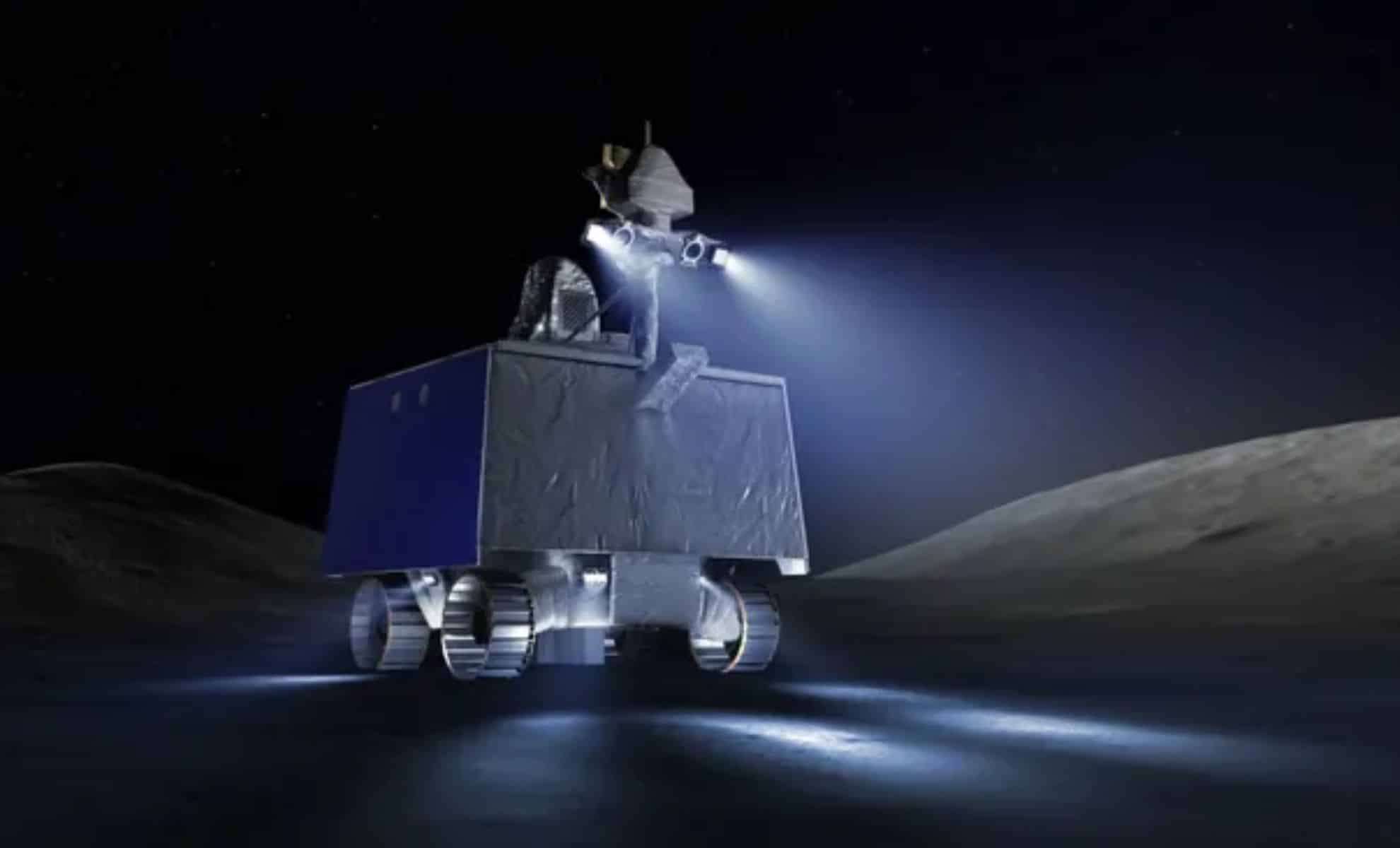
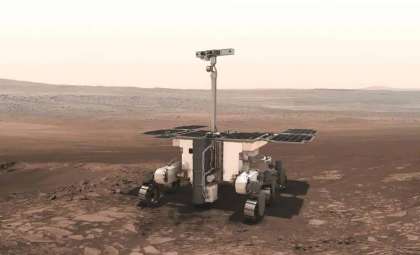
According to a recent update on NASA’s official blog, plans for the VIPER rover (Volatiles Investigating Polar Explorer Rover) mission have shifted unexpectedly. Initially planned as a collaboration with commercial partners, NASA has now halted its search for private sector involvement amid budgetary challenges and shifting priorities.
Unveiling the Moon’s Frozen Treasures with VIPER
VIPER rover was developed to locate water ice deposits near the Moon’s south pole, a focus area for NASA’s Artemis initiative targeting sustainable human habitation. This rover’s findings are vital for understanding in-situ resource utilization, including the extraction of water for drinking, oxygen production, and rocket fuel. NASA highlighted VIPER’s pivotal role in preparing for extended crewed missions on the lunar surface and future Mars exploration endeavors.
Shift in Strategy Regarding Commercial Collaborations
Previously, NASA aimed to collaborate with private companies through the Commercial Lunar Payload Services (CLPS) program to transport VIPER to the Moon, reducing government costs by outsourcing parts of the mission. Although the mission was paused last summer due to growing expenses, NASA later invited proposals to assist in roving transport to avoid additional taxpayer burden.

On May 7, 2025, NASA declared it would suspend efforts to establish these commercial partnerships. “We appreciate the efforts of those who proposed to the Lunar Volatiles Science Partnership Announcement for Partnership Proposals call,” commented Nicky Fox, Associate Administrator at NASA’s Science Mission Directorate. “We look forward to accomplishing future volatiles science with VIPER as we continue NASA’s Moon to Mars exploration efforts.” While this announcement marked a setback, NASA confirmed the mission remains active, although its exact trajectory is yet to be determined.
Financial Constraints and Political Dynamics
NASA is also navigating broader budget cuts stemming from the Trump administration’s proposed “skinny budget”, which would reduce agency funding by nearly a quarter. The Science Mission Directorate faces significant reductions, prompting concern about the longevity of projects like VIPER that depend heavily on consistent resources. This financial uncertainty forces NASA to reassess priorities and seek alternative funding strategies.
Initially, the VIPER rover was estimated to cost $250 million, with anticipated overruns exceeding this amount. The decision to end the commercial partnership search directly responds to these financial constraints, leaving the agency to determine how best to proceed under these challenging conditions.
- Categories:
- News









0 comments
Sign in to Comment