
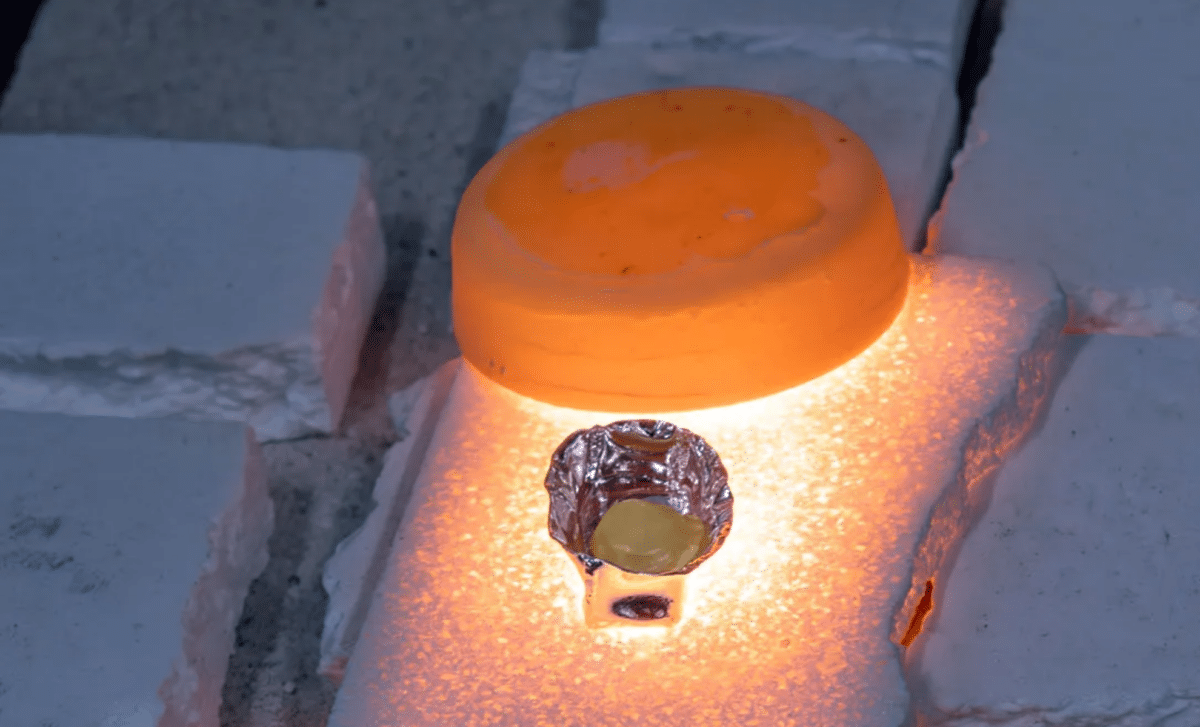
Scientists at NASA have identified a novel material that can endure the intense heat and corrosive nature of molten lunar rocks. This innovation could enable astronauts to utilize the Moon's natural resources, extracting metals for construction and oxygen for propulsion and life support, potentially revolutionizing lunar habitation and operations.
Advancing Material Science for Lunar Exploration
For years, NASA researchers have aimed to establish sustainable off-Earth living by tapping into the Moon's supplies instead of transporting them from Earth. This newly detected substance may become a fundamental component of that strategy. Dr. Kevin Yu of NASA’s Jet Propulsion Laboratory and Dr. Jamesa Stokes from NASA Glenn Research Center discovered the material while experimenting with artificial lunar soil and scandium oxide.
“You could call it lava, because it’s basically rocks that are crushed up and then melted. It’s very corrosive, and it will very quickly eat through a lot of commonly used refractory, or heat-resistant, materials,” Yu explained.
Add Cosmo Herald as a Preferred Source

This observation highlights the complications of working with lunar rock using standard materials. Creating a compound resistant to the extreme temperature and caustic lunar dust could address a major obstacle in manufacturing beyond Earth.
Developing the Heat-Resistant Compound
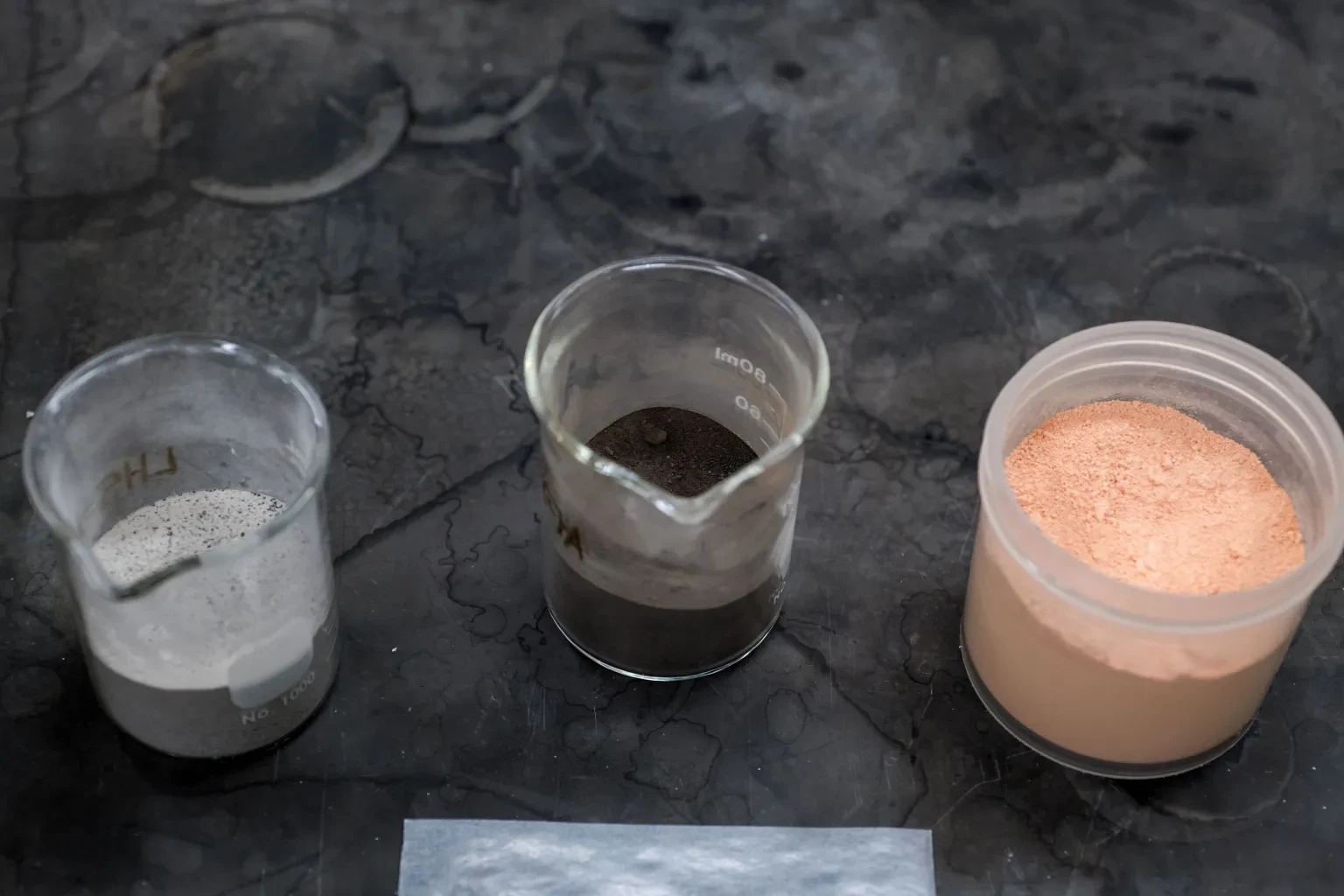
The researchers began by combining simulated lunar regolith with scandium oxide and exposing it to intense heat at over 2,900°F. Through detailed procedures involving grinding, blending, and heating eight oxide ingredients in ethyl alcohol, they formulated a substance not previously recorded in NASA’s X-ray analysis archive containing over a million known materials.
Yu described the material’s appearance: “It’s actually a very cool-looking powder; it goes in pink, almost like strawberry milk. It has a built-in color indicator, so by the time you’re done with it, it turns to a light beige or tan color, and that’s how you know the reaction has proceeded the way you wanted it to.”
This distinctive color change not only confirms the chemical reaction’s completion but also offers a practical tool for process monitoring in lunar and industrial environments.
Potential Uses for Lunar Missions
The innovative material is expected to be central in lunar mining techniques. NASA plans to melt Moon rocks to extract essential metals and oxygen, which could facilitate building shelters, producing tools, or creating rocket propellant. The compound may be used as a robust lining for containers exposed to molten regolith and harsh lunar conditions.
Additionally, its lightweight and insulating qualities combined with high thermal resilience make it promising for aerospace applications. Components of jet engines, which face extreme temperatures, could greatly benefit from coatings manufactured from this material. This discovery highlights how space research frequently leads to innovations with important Earth-based applications.
Affordable Innovation Utilizing Scandium Oxide
Though scandium oxide has a high cost, the newly created material remains less expensive than precious metals like platinum that are often used in heat-resistant technologies. Continued development aims to enhance purity and reduce manufacturing expenses, paving the way for widespread use both in space and on Earth.
“Expanding what materials can achieve sparks numerous breakthroughs on Earth as well,” Yu remarked. “Understanding materials for diverse applications motivates me every day. NASA’s mission benefits everyone, and that’s what I love about it.”
- Categories:
- Nasa












0 comments
Sign in to Comment