

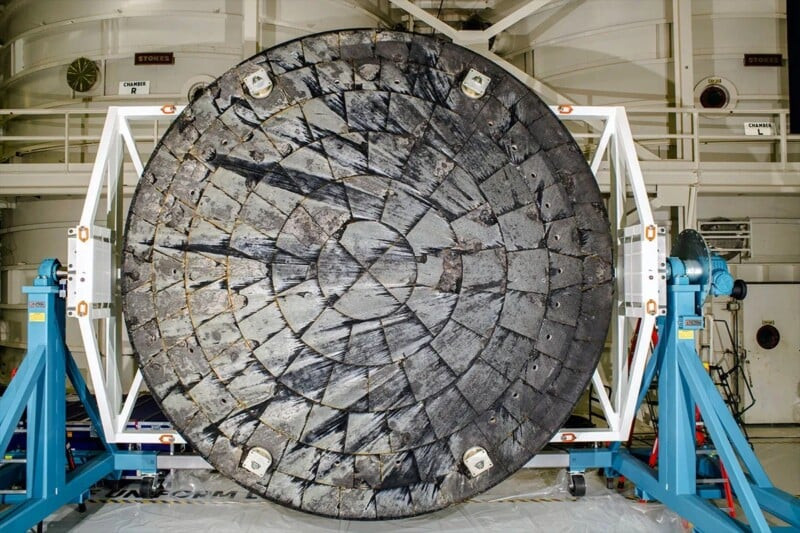
A captivating underwater photograph, taken by US Navy divers, showcases the Artemis II heat shield after its splashdown in the Pacific Ocean on April 10, 2026, highlighting the state of the spacecraft’s thermal protection system.
During its return journey from lunar orbit, the Artemis II’s heat shield was put to the ultimate test as it endured extreme heat from reentry at speeds approaching 35 times the speed of sound. Following concerns raised from the Artemis I mission, engineers closely monitored whether design issues would recur with Artemis II.
Essential for Protecting Astronauts During Reentry
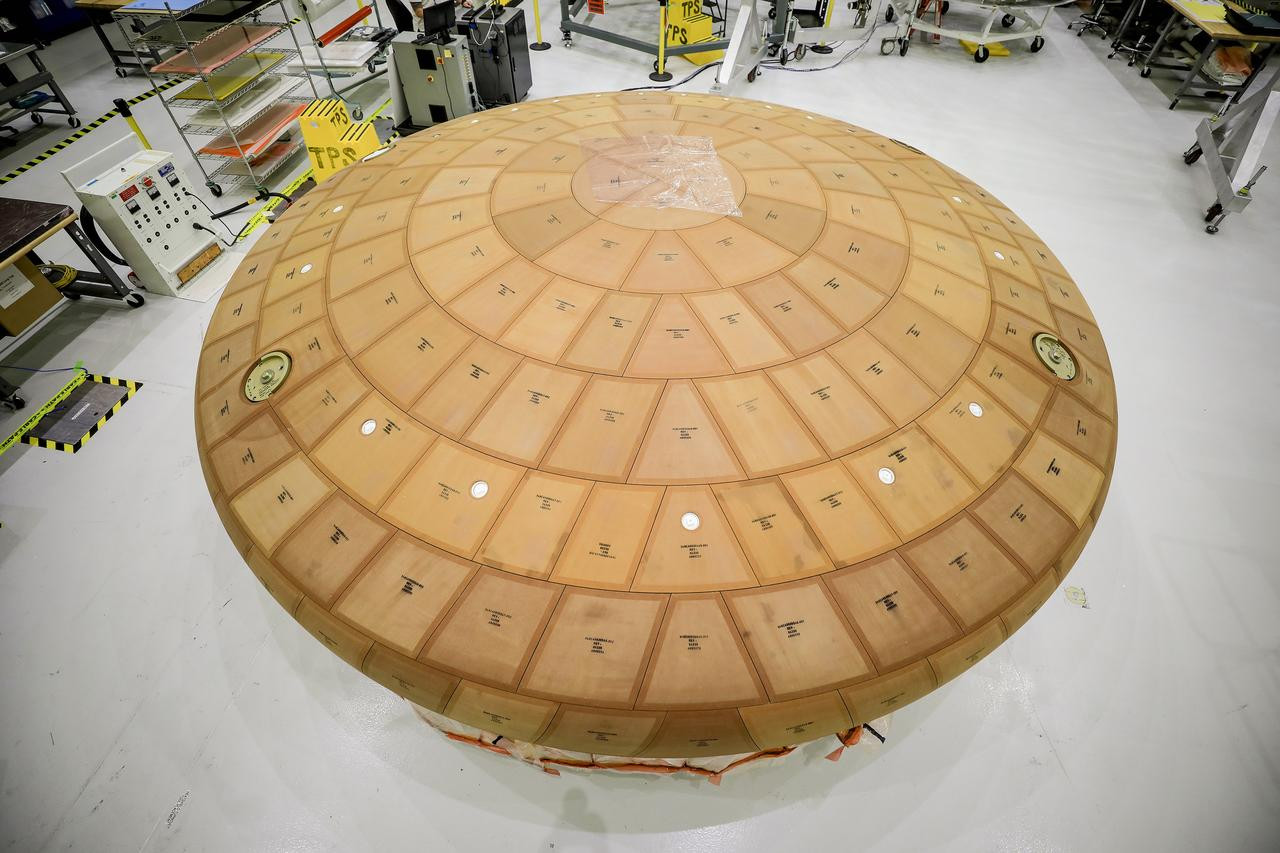
The heat shield stands as a crucial element for any vehicle reentering Earth’s atmosphere. On the Artemis II mission, the Orion capsule faced intense temperatures reaching thousands of degrees Fahrenheit upon reentry, requiring the shield to effectively absorb and release heat to protect the crew. NASA’s early evaluation report indicates that the Artemis II heat shield experienced far less damage than what was seen after Artemis I.

This advancement points to improved reentry paths that better managed thermal stress on the heat shield.
An Iconic Image from Beneath the Waves
The image capturing the heat shield resting underwater in the Pacific Ocean, taken by Navy divers, has emerged as one of the defining visuals of Artemis II.
“Diver imagery of the spacecraft’s heat shield, initially taken after splashdown and further inspections on the recovery ship, found the char loss behavior observed on Artemis I was significantly reduced, both in terms of quantity and size,” NASA reported.
NASA plans extensive analysis of the heat shield over the coming months to verify its performance, a key factor for future crewed lunar expeditions.
Setting the Stage for Future Lunar and Martian Missions
The robust performance of Artemis II’s heat shield marks a pivotal milestone for NASA’s lunar exploration roadmap. While preliminary findings are encouraging, comprehensive testing will continue to confirm the shield’s resilience for upcoming journeys.
According to PetaPixel, NASA is optimistic that enhancements to the heat shield design will support the agency’s enduring goal of establishing a lasting human foothold on the Moon. Data from Artemis II will guide spacecraft design and mission strategies moving forward.
“Using data from the first crewed mission under the Artemis program, NASA continues preparing the hardware and teams to launch and fly the Artemis III mission in 2027 ahead of subsequent missions to the Moon’s surface beginning in 2028,” as explained by the U.S Space Agency.
Future missions will also focus on enhancing life support systems and resolving issues encountered on Artemis II, such as the malfunction of the space toilet.
- Categories:
- Nasa









0 comments
Sign in to Comment