

NASA has introduced an enhanced artificial intelligence tool called ExoMiner++, designed to process extensive datasets from space observatories. In its first test using data from the Transiting Exoplanet Survey Satellite (TESS), the AI pinpointed upwards of 7,000 possible exoplanet signals.
Building upon the initial framework established through the Kepler mission, ExoMiner++ integrates data from both Kepler and TESS. This advancement supports NASA’s initiative to promote open science, granting researchers worldwide access to cutting-edge planetary detection tools.
A Collaborative, Open-Source Model Leveraging Two Missions
The ExoMiner++ system was developed by scientists at NASA’s Ames Research Center located in Silicon Valley. The original iteration, named ExoMiner, made headlines in 2021 after validating 370 previously unknown exoplanets using data gathered by Kepler. NASA Science reports that the enhanced model combines information from both Kepler and TESS, capitalizing on their distinct observational strategies: Kepler focused intensively on a narrow sky sector, whereas TESS surveys nearly the entire sky.

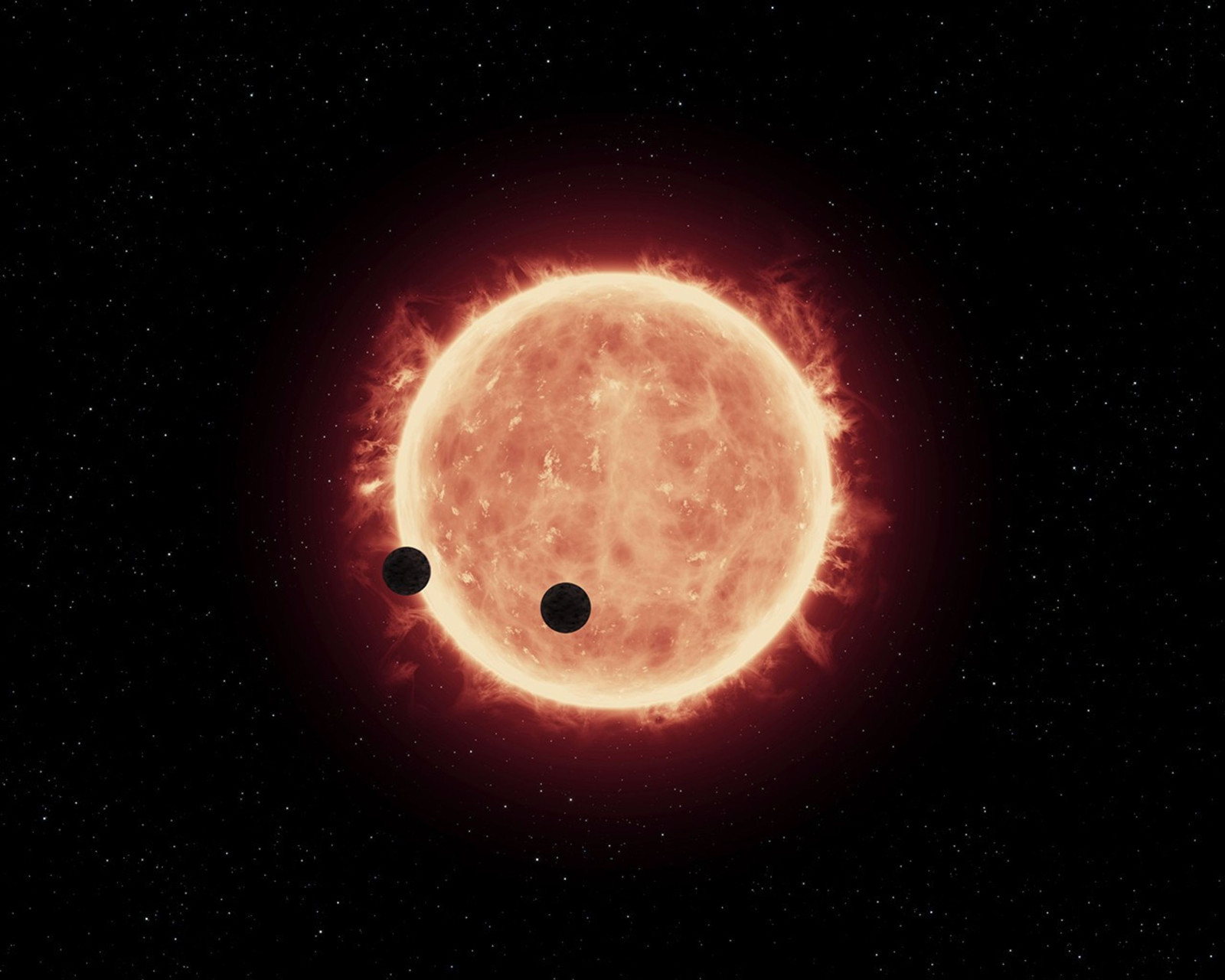
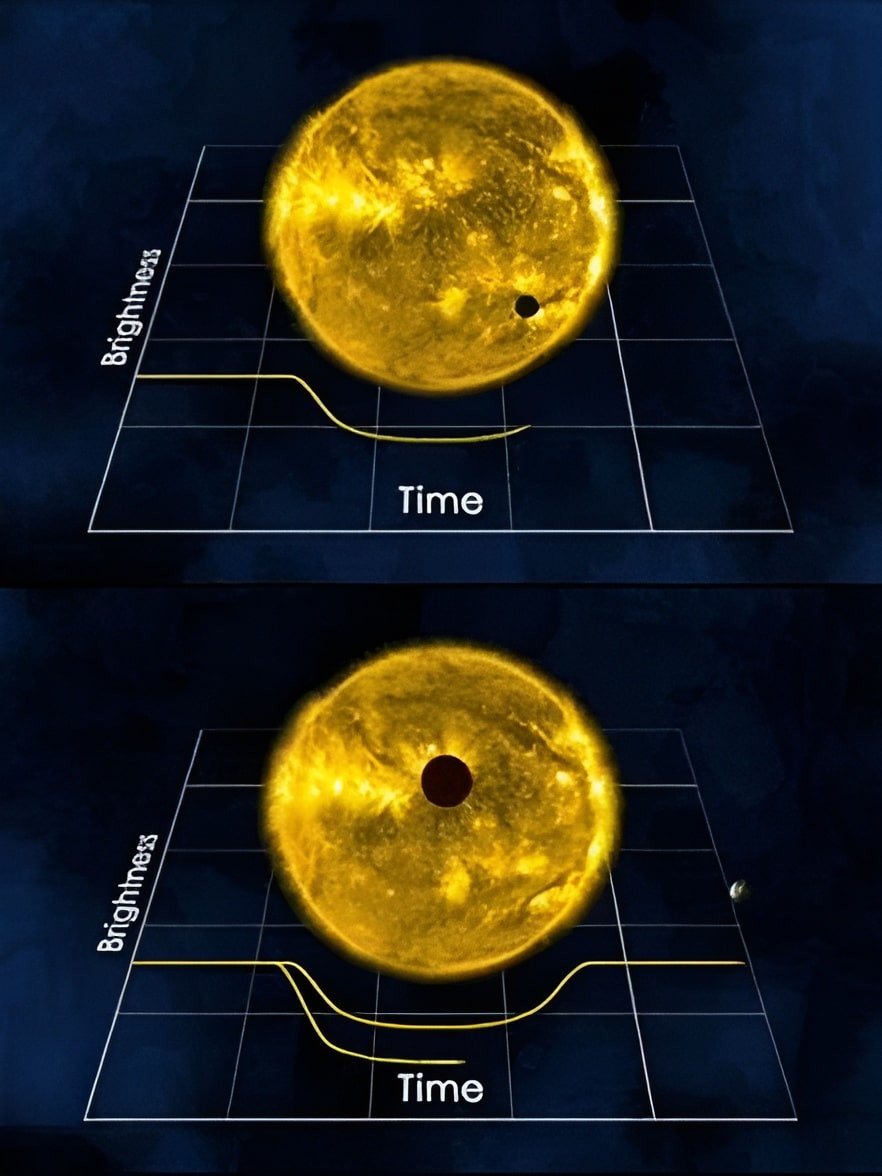
This AI evaluates transit signals, which are subtle decreases in starlight caused by potential planets crossing in front of their stars. Since some signals result from binary stars or instrumental noise, ExoMiner++ applies sophisticated deep learning techniques to sift through extensive datasets, identifying the most plausible planet candidates. The 7,000-plus candidates detected in the initial TESS dataset are now prioritized for additional observations using terrestrial telescopes.
Open Access Driving Scientific Innovation
One key feature of ExoMiner++ is its open-source nature. NASA Chief Science Data Officer Kevin Murphy highlights that “open-source software like ExoMiner accelerates scientific discovery.” The AI model is freely available on GitHub, enabling qualified researchers everywhere to analyze publicly accessible TESS data to discover new planets.
This openness is aligned with NASA’s broader Open Science Initiative, which emphasizes the sharing of tools, datasets, and findings with the global community.
“Open-source science and open-source software are why the exoplanet field is advancing as quickly as it is,” explained Jon Jenkins, an exoplanet scientist at NASA Ames.
By inviting public collaboration and reproducibility, ExoMiner++ strengthens the integrity and expansion of planetary science.
Advancing Toward a Data-intensive Era
Presently, ExoMiner++ requires a pre-selected list of candidate signals to analyze, but future updates aim to enable the system to identify transit signals directly from raw observational data. This upgrade will cut down on manual processing and enhance the efficiency of exoplanet detection. According to Miguel Martinho, a co-investigator on ExoMiner++ and NASA Ames collaborator:
“When you have hundreds of thousands of signals, like in this case, it’s the ideal place to deploy these deep learning technologies.”
The forthcoming Nancy Grace Roman Space Telescope is anticipated to provide tens of thousands more transit observations, with its datasets also publicly released. NASA’s Office of the Chief Science Data Officer continues to champion these open science practices, stressing reproducibility and accessibility. The promising results from ExoMiner++ herald a significant step forward in the global quest for extra-solar worlds.
- Categories:
- Nasa









0 comments
Sign in to Comment