
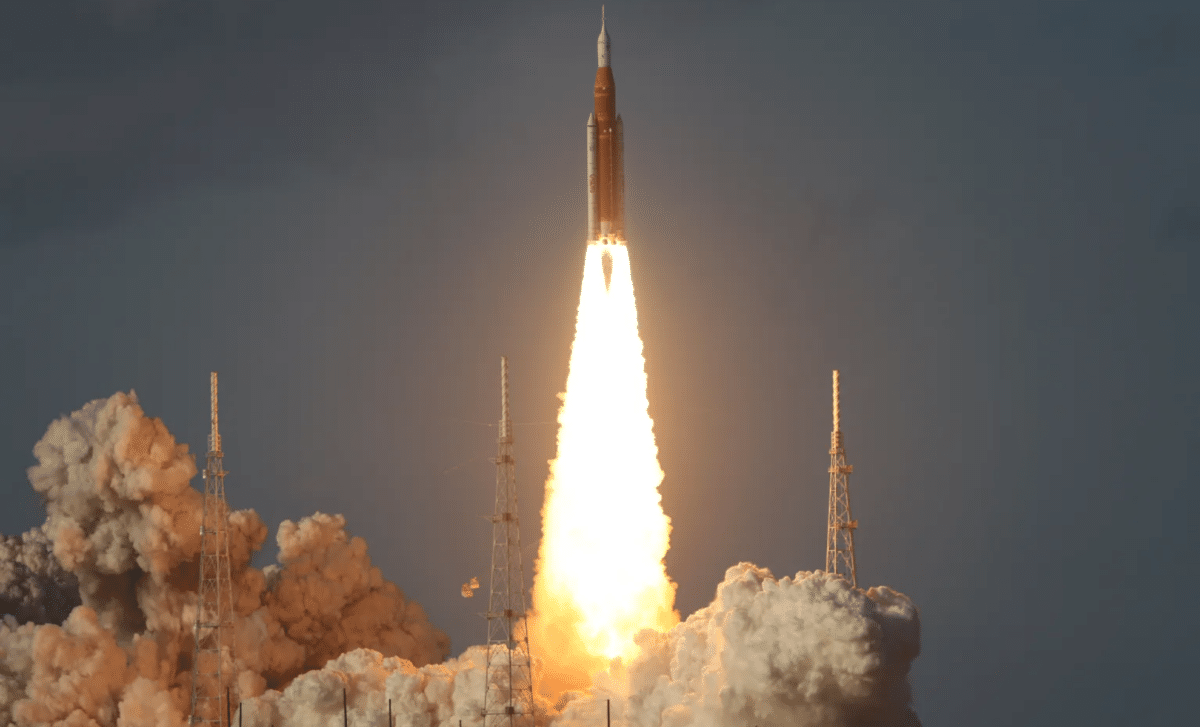
NASA’s Artemis II mission, which concluded with a safe splashdown in April, represents a significant advance in the agency’s plans for returning astronauts to the Moon and venturing further into space. Early results from this mission, analyzed by NASA’s engineering teams, offer essential knowledge that will guide upcoming lunar missions and eventual journeys to Mars.
Artemis II: Pioneering the Future of Lunar Exploration
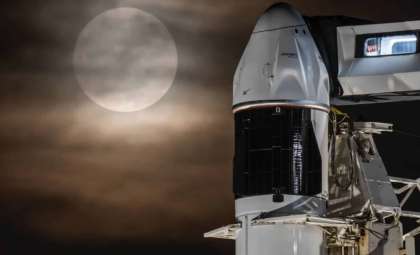
The Artemis II mission has set a new benchmark, not only through its successful lunar flyby but also by delivering expansive data to support forthcoming expeditions. The mission featured the Orion spacecraft making a secure return to Earth after a voyage covering 694,481 miles. This mission marks the first crewed test flight under Artemis, and according to NASA, the insights gained are instrumental. Artemis II’s evaluations of the spacecraft, the Space Launch System (SLS) rocket, and supporting ground facilities at Kennedy Space Center will directly impact Artemis III, slated for 2027, and the broader goal of human lunar landings and Martian exploration.
Performance of Orion Spacecraft: Protecting Astronauts and Systems
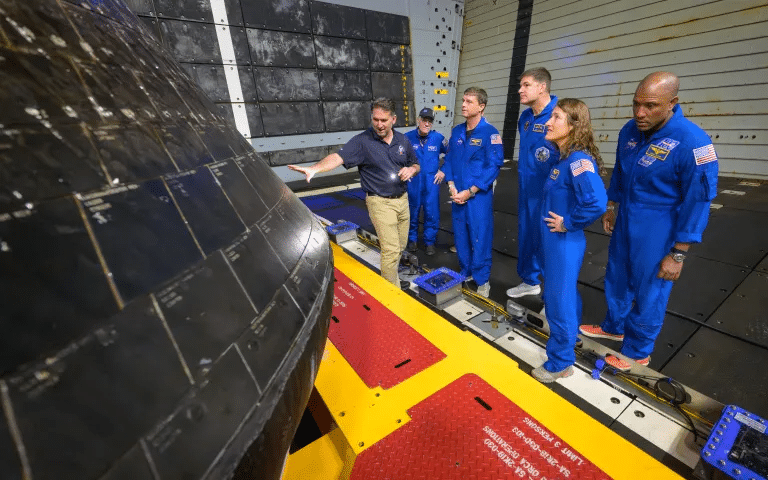
The Orion spacecraft, a central element of Artemis II, is engineered to ferry astronauts safely to the Moon and back. During reentry, Orion’s thermal protection endured the severe conditions of atmospheric entry at speeds nearing 35 times the speed of sound. Engineers were pleased to discover that the heat shield operated without any anomalies, displaying notably less char damage when compared to Artemis I. This improvement highlights the spacecraft’s capability to withstand the rigors of future missions with crew onboard.

Further analysis is underway, utilizing both reentry images and detailed heat shield data to better understand the spacecraft’s response to extreme conditions. Following return to NASA’s Kennedy Space Center, the crew module will be inspected, and the heat shield transferred to the Marshall Space Flight Center for in-depth examination. These processes are essential for verifying Orion’s preparedness for deep space travel.
Advancing Space Travel Capacities
The Artemis II mission also tested the capabilities of NASA’s Space Launch System (SLS), the rocket designed to power Artemis missions. The SLS demonstrated impeccable launch performance, precisely achieving the velocity required for Orion’s lunar orbit insertion. By main engine cutoff, the rocket had attained speeds exceeding 18,000 miles per hour, flawlessly positioning the spacecraft for its celestial path. This accomplishment underlines the SLS’s robustness and suitability for transporting heavy payloads and crews into distant space.
Ongoing data reviews suggest the SLS will serve as a dependable vehicle for future Moon missions and possibly those to Mars. With every successful launch, NASA edges closer to its vision of sustained deep space exploration.

Enhancing Launch Infrastructure for Upcoming Endeavors
NASA’s Exploration Ground Systems team has upgraded the launch infrastructure supporting Artemis missions. Post-launch evaluations of the mobile launcher and launch pad revealed that reinforcements implemented since Artemis I effectively minimized damage from the powerful thrust during booster ignition. Adjustments made to increase the flexibility of certain components and the rigidity of others ensure the resilience of critical systems like pneumatics and cooling after launch.
These improvements guarantee that ground systems can withstand the intense demands of Artemis flights without compromising essential operations. The successes of Artemis II validate these enhancements, bolstering NASA’s confidence in the reliability of future Artemis launches.
- Categories:
- News






0 comments
Sign in to Comment