
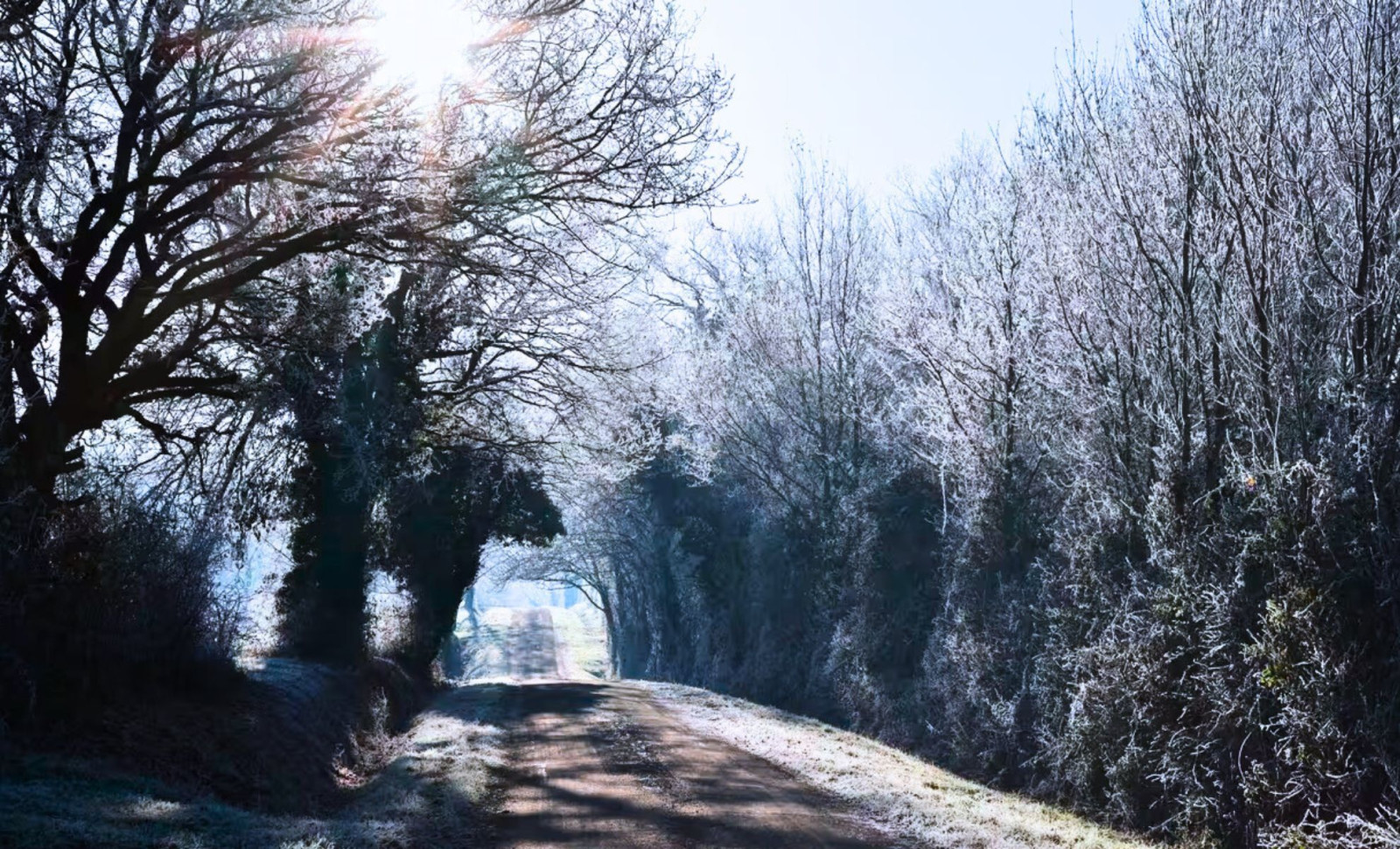
While much attention focuses on increasing heat and heatwaves, another critical element is quietly fading: the essential cold that shapes ecosystems. Beyond just cooler days, sustained low temperatures penetrating soil and crops are vanishing, posing hidden risks to biological cycles.
Across much of the Northern Hemisphere, winters are becoming milder and shorter, disrupting the vital cold signals that plants rely on to regulate growth and reproduction. For many agricultural species, exposure to freezing conditions is not a hindrance but a vital trigger that ensures healthy flowering, pest resistance, and the preservation of environmental memory.
Scientists now warn that as frosty periods decline, farming faces a future where plant developmental cues increasingly fall out of sync with the changing seasons.

Essential Cold Periods and Plant Development Challenges
Plants in temperate climates depend on winter’s chill to properly transition through their lifecycle, a process termed vernalisation. Exposure to prolonged cold near or below freezing signals these plants to prepare for blossom in the spring.
Fruit crops such as apples, cherries, and apricots have precise genetically determined chill requirements, needing specific durations of cold to trigger blooming successfully.
Agroclimatologist Serge Zaka notes that apple trees typically demand about 1,000 hours below 7.2°C. However, certain regions, including southeastern France, are increasingly seeing insufficient chill, resulting in poor yields—for instance, some apricot varieties in the Rhône Valley failed to produce fruit due to warmer winters.
Such occurrences are widespread, with recent years showing diminished winter chill leading to delayed blossoming and reduced harvests. Data from Météo-France highlight that broad cold outbreaks are becoming sporadic, with the last significant one in 2018 following a similar event in 2012.
Meteorological projections indicate frost days could decrease by up to 20 annually by midcentury, signaling a fundamental climatic shift rather than temporary fluctuations.
Winter Cold as a Natural Control Mechanism
Historically, freezing temperatures have acted as natural pest regulators. Frost suppresses populations of herbivorous insects, helping to curtail crop damage and disease spread. For example, aphids suffer population drops after cold spells, reducing their threat to crops like sugar beet without chemical intervention.
Frost also shortens the life cycles of midges that carry diseases such as bovine lumpy skin disease. Warmer winters allow these pests to survive longer, expanding infection risks.
Conversely, beneficial insects like ladybirds rely on cold for hibernation. Warmer winters can prematurely awaken them before food sources appear, upsetting survival rates and ecological balance.
An increase in winter temperatures may extend pest activity and diminish beneficial populations, leading to more crop stress and higher dependence on pesticides.
Plant Memory of Cold Experiences
Cold exposure goes beyond immediate triggers, creating lasting molecular changes known as epigenetic stress memory, which influences how plants respond to future environmental stresses.
A 2024 study posted on bioRxiv explains how cold and heat alter chemical markers on DNA and proteins, without altering the genetic code itself, thereby affecting gene activity and stress responses.
The gene FLC (Flowering Locus C) is pivotal for regulating flowering timing in Arabidopsis thaliana. Cold conditions silence FLC by modifying chromatin, delaying flowering until spring. This silencing is preserved across cell divisions by complexes like Polycomb Repressive Complex 2.
These epigenetic changes can last from weeks to months and sometimes pass between generations, enabling plants to adapt based on environmental history. However, insufficient cold prevents this memory formation, leaving critical genes active at inappropriate times.
Shrinking Cold Periods Threaten Crop Biology
The decline in winter frost days across Europe narrows the crucial window during which plants initiate key biological processes.
A comprehensive review in the Annual Review of Plant Biology outlines the complex interplay between vernalisation, dormancy, and hormonal signaling, all of which depend on cold exposure. When these thresholds are not met, entire regulatory systems malfunction.
This effect extends beyond fruit trees to include cereals, ornamental plants, and many long-lived perennials. Warmer winters may favor invasive species and pests while undermining the productivity of established cultivars.
As winter cold becomes more unpredictable, agriculture must reconsider planting schedules, breeding approaches, and adaptive strategies to sustain yields.
Developing Cold-Resilient Crops
Researchers are investigating whether the beneficial effects of cold on plants can be replicated or stabilized through molecular and genetic means. Genes such as COR15A, CBF, and HSP21 play roles in cold acclimation and memory, helping plants endure stress.
By deciphering how histone changes, DNA methylation, and non-coding RNAs regulate these genes, scientists aim to breed or engineer crops that maintain cold-response traits even without actual frost. Strategies include gene editing, selective breeding, and environmental priming.
Research highlights histone modifications like H3K27me3 as key players in stress memory and gene repression. Adjusting these marks may enhance crop resilience to heat, drought, or cold.
Nonetheless, the stability and effectiveness of such modifications in real-world agricultural settings remains uncertain, necessitating further study to balance biological complexity with evolving climate conditions.
- Categories:
- News













0 comments
Sign in to Comment