
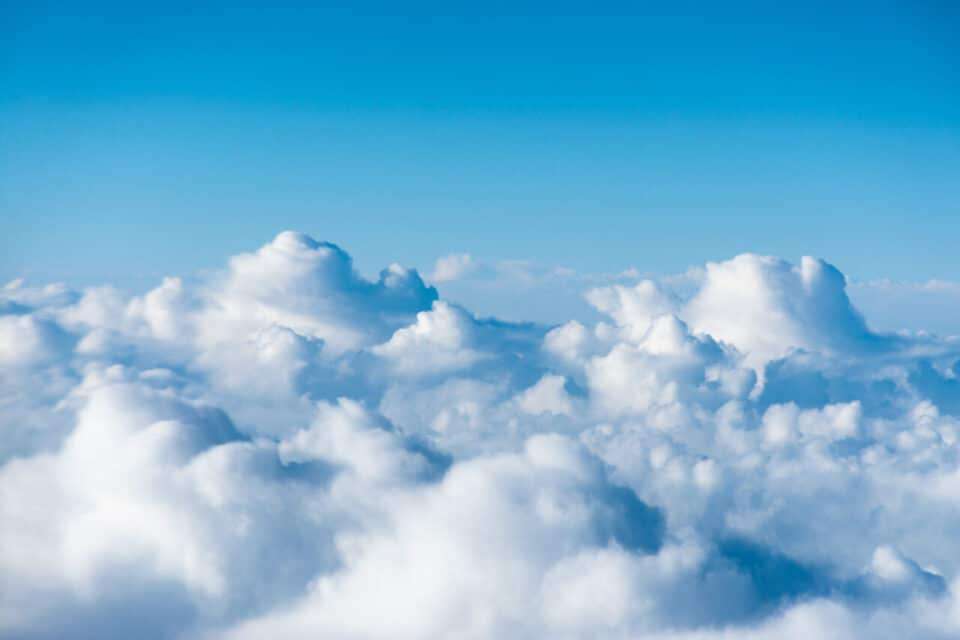
NASA’s generation of synthetic clouds is a deliberate scientific initiative designed to deepen our comprehension of Earth’s upper atmospheric layers. These clouds are formed by dispersing specific chemical substances from high-altitude research rockets flying between 80 and 400 kilometers above Earth.
The chief compound utilized in these tests is Tri-methyl aluminum (TMA), which emits a glowing trail when released. NASA confirms that the chemicals involved, including trace elements like barium, lithium, and aluminum, are harmless to both ecosystems and human health. Such elements are routinely found in conventional fireworks.
To contextualize, each rocket deploys approximately 0.4 kilograms of material, a quantity much smaller than that used in typical fireworks. Additionally, these clouds form at altitudes far higher than the cruising heights of commercial airplanes, which usually fly between 9 and 13 kilometers.

Probing Atmospheric Dynamics
The key aim behind NASA’s cloud deployment is to track and understand upper-atmospheric flows. These glowing, visible clouds provide researchers with the means to trace wind patterns and behaviors in near-space with exceptional accuracy. Such insights are vital to grasp the core processes governing Earth’s upper atmosphere.
This research enables scientists to explore:
- How mass and energy move between atmospheric layers
- The atmosphere’s responses to solar activity variations
- Interactions between neutral particles and ionized gases high above the Earth
The findings complement other NASA investigations, including the recent discovery of novel gamma-ray emissions in tropical thunderstorms, enriching our understanding of atmospheric science.
A Worldwide Scientific Endeavor
NASA carries out these experiments across multiple sites globally, launching sounding rockets from both established and remote locations tailored to each study’s goals. This international scope allows extensive analysis of atmospheric behavior under diverse environmental settings.
While some recent launches have taken place over Norway, NASA currently does not plan any cloud releases over France. The agency is committed to transparency, routinely updating the public on site selections and mission details.
Importantly, these experiments are engineered to ensure negligible ecological impact. NASA notes that if their procedures altered the natural state of the atmosphere, the resulting data would be scientifically invalid.
Clearing Up Misunderstandings
Although grounded in scientific research, NASA’s artificial cloud experiments have sometimes been misconstrued or linked to baseless conspiracy theories. It is important to differentiate these efforts from “chemtrail” claims. Here are some common myths contrasted with facts:
These studies provide valuable data on space weather phenomena, increasingly relevant due to growing dependence on satellite systems. NASA's work aligns with ongoing efforts to monitor solar activity and its atmospheric effects.
In summary, NASA’s artificial cloud experiments represent pioneering research designed to illuminate the complexities of our planet’s upper atmosphere. Transparent and environmentally safe, these luminous emissions are key tools advancing our scientific knowledge of Earth’s near-space environment, lighting the way toward new discoveries.
- Categories:
- Nasa





0 comments
Sign in to Comment