
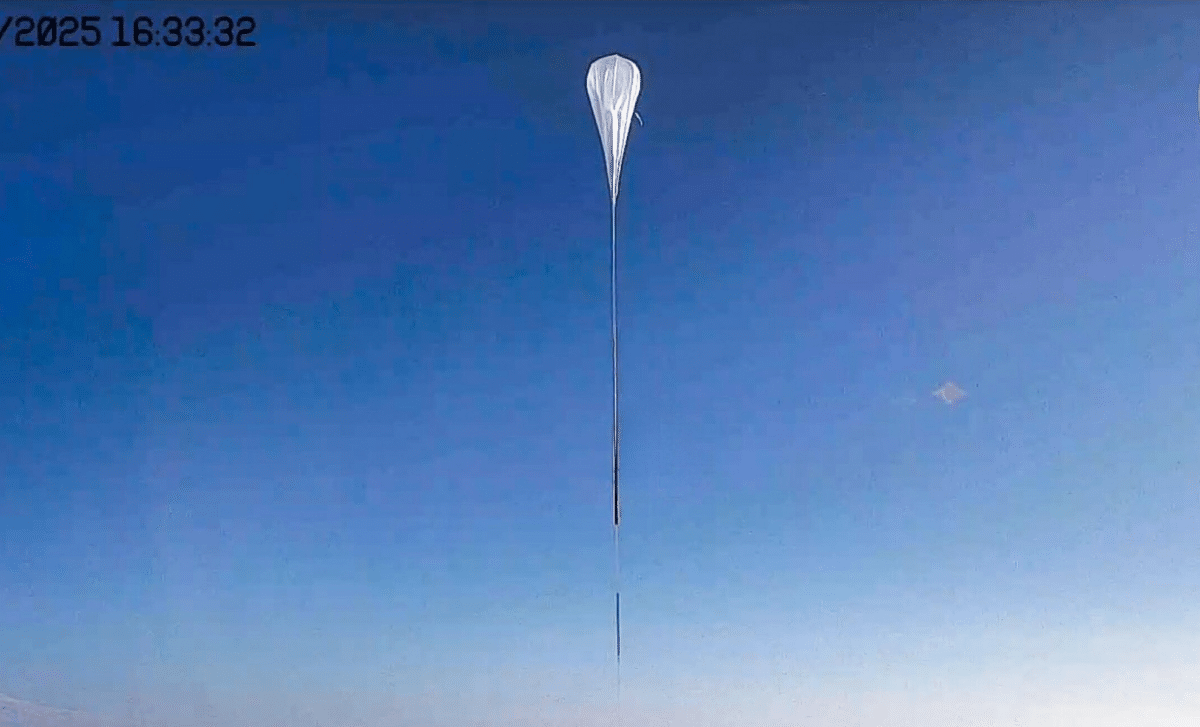
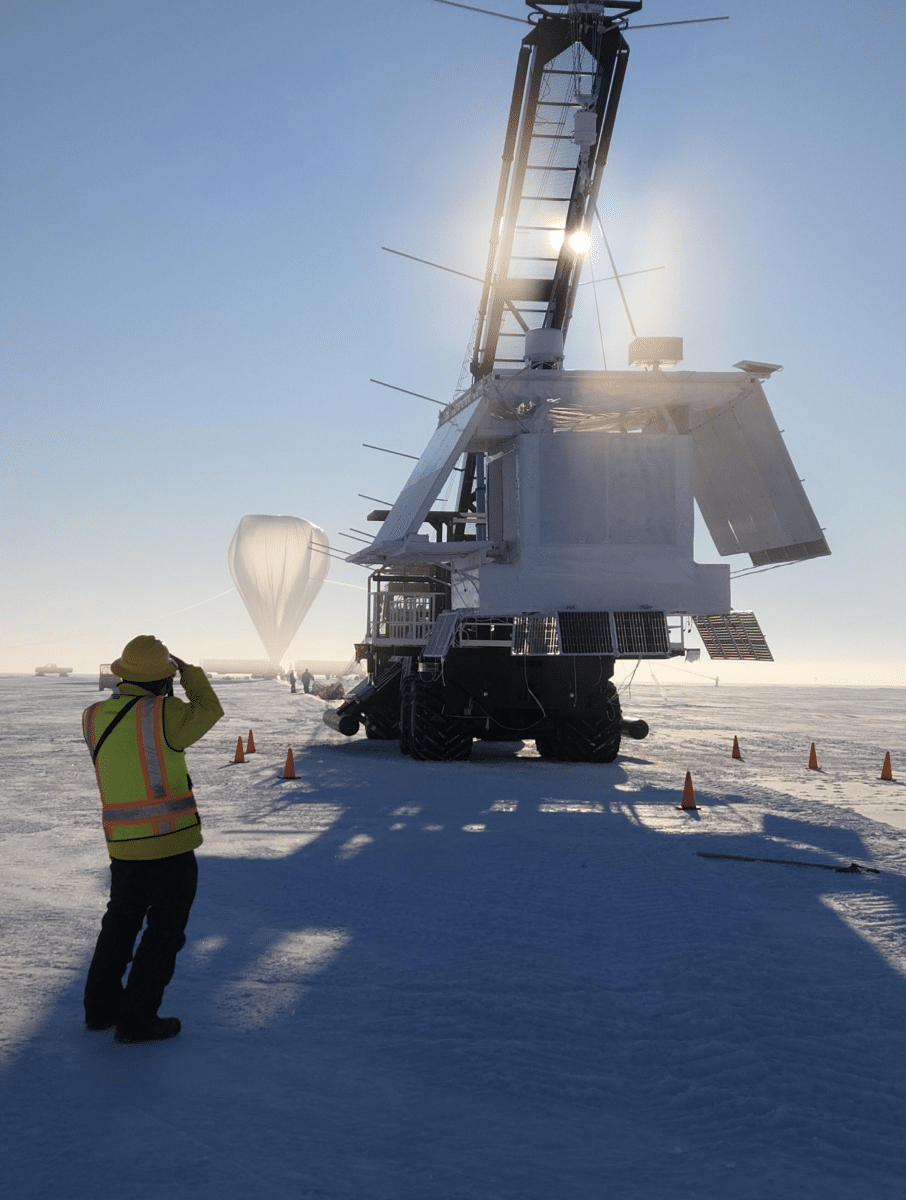
On December 15, a massive balloon, roughly the size of a football field, ascended above Antarctica to begin a mission with the potential to transform our grasp of the cosmos. Led by the University of Hawaiʻi at Mānoa, the General AntiParticle Spectrometer (GAPS) experiment seeks to delve into the mysteries surrounding dark matter, one of the most enigmatic substances in contemporary physics. This pioneering project unites a global team of researchers, with Hawaiʻi taking a prominent role in the scientific pursuit.
Unveiling Dark Matter: A Scientific Endeavor Like No Other
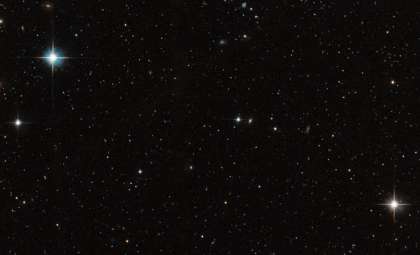
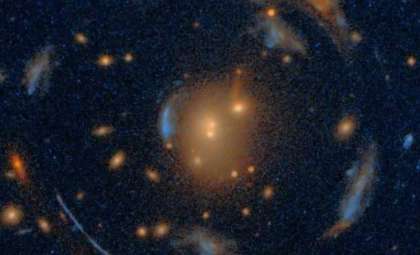
Dark matter has fascinated experts for many years. Although it makes up nearly 85% of the universe’s mass, it evades direct detection and remains unseen. Scientists infer its existence through its gravitational influence on ordinary matter, yet its true nature is still unknown. The launch of the GAPS experiment from Antarctica marks a daring effort to investigate these enduring questions.
Carried by an enormous balloon, the GAPS instrument will ascend approximately 24 miles above the Antarctic landscape to detect rare cosmic antimatter particles, including antiprotons and antideuterons. Identifying these particles could reveal vital information about dark matter’s fundamental properties and how it interacts with the cosmic fabric. Conducting measurements from this elevated, low-density atmospheric layer of Antarctica is crucial for minimizing interference and improving detection accuracy.

As Philip von Doetinchem, project lead and a professor at the UH Mānoa Department of Physics and Astronomy, explains: “This experiment puts Hawaiʻi at the forefront of one of the biggest mysteries in modern physics. Our students and researchers at UH Mānoa are helping lead a quest to understand what makes up a large fraction of our universe, showing that groundbreaking science is happening right here in our islands.”
Hawaiʻi’s Leading Role in Cutting-Edge Science
The University of Hawaiʻi at Mānoa has played a critical role in both creating and supporting the GAPS initiative. Under the guidance of Philip von Doetinchem, the institution has devoted significant effort to tasks such as detector calibration and the integration of NASA’s balloon technology. UH Mānoa’s research team is indispensable not just during development but throughout the experiment’s active phase.
This project’s impact extends well beyond dark matter detection, underscoring Hawaiʻi’s rising stature in international space and physics research. With outstanding scientific infrastructure, including Pacific-based observatories and strategic collaboration with NASA, UH Mānoa has established itself as a hub for groundbreaking investigations.
The GAPS mission exemplifies how extraordinary scientific achievements can arise anywhere—even from the remote island state of Hawaiʻi. This accomplishment represents a significant milestone for the university and the entire region, positioning Hawaiʻi as a central player in one of today’s most ambitious research undertakings.
Understanding the GAPS Experiment
The heart of the GAPS experiment is a voluminous, high-altitude balloon designed to reach heights around 24 miles above Earth. This altitude offers an ideal vantage point for spotting cosmic antimatter particles, as it lies above the bulk of Earth’s atmospheric interference that usually absorbs or modifies cosmic rays. Operating in such a pristine environment enables GAPS to detect particles that would be undetectable at lower altitudes.
The experiment aims specifically to find antimatter particles like antiprotons and antideuterons, which are regarded as possible indicators of dark matter. These exotic particles belong to the antimatter family, which exhibits properties opposite to those of normal matter. Discovering them could yield indirect proof of dark matter’s existence and provide new insights into its interactions with the visible universe.
GAPS is the product of an international alliance including the University of Hawaiʻi at Mānoa, Columbia University, UCLA, and Northeastern University, among other global collaborators from Japan, Italy, and China. This multinational effort showcases the collective intent to uncover the dark matter enigma through shared expertise and resources.
Global Collaboration Driving Scientific Innovation
The GAPS experiment stands as a testament to international scientific teamwork. While led by the University of Hawaiʻi at Mānoa, it incorporates the efforts of partners from Japan, Italy, China, and several leading universities across the United States. Each member contributes unique skills ranging from detector engineering to data analysis and balloon operations.
The collaborative nature of this mission is vital since dark matter represents a highly complex puzzle requiring input from diverse scientific fields such as physics, astronomy, engineering, and data science. The combined dedication of experts worldwide not only enhances the chance of success but also highlights the crucial role of global cooperation in addressing some of science’s most profound questions.
- Categories:
- Nasa







0 comments
Sign in to Comment