

While the Arctic seems inhospitable for life today, recent fossil discoveries from northern Alaska tell a contrasting tale. Scientists have uncovered three previously unidentified mammal species that thrived there approximately 73 million years ago, indicating that ancient polar environments fostered mammal adaptation, diversification, and intercontinental migration.
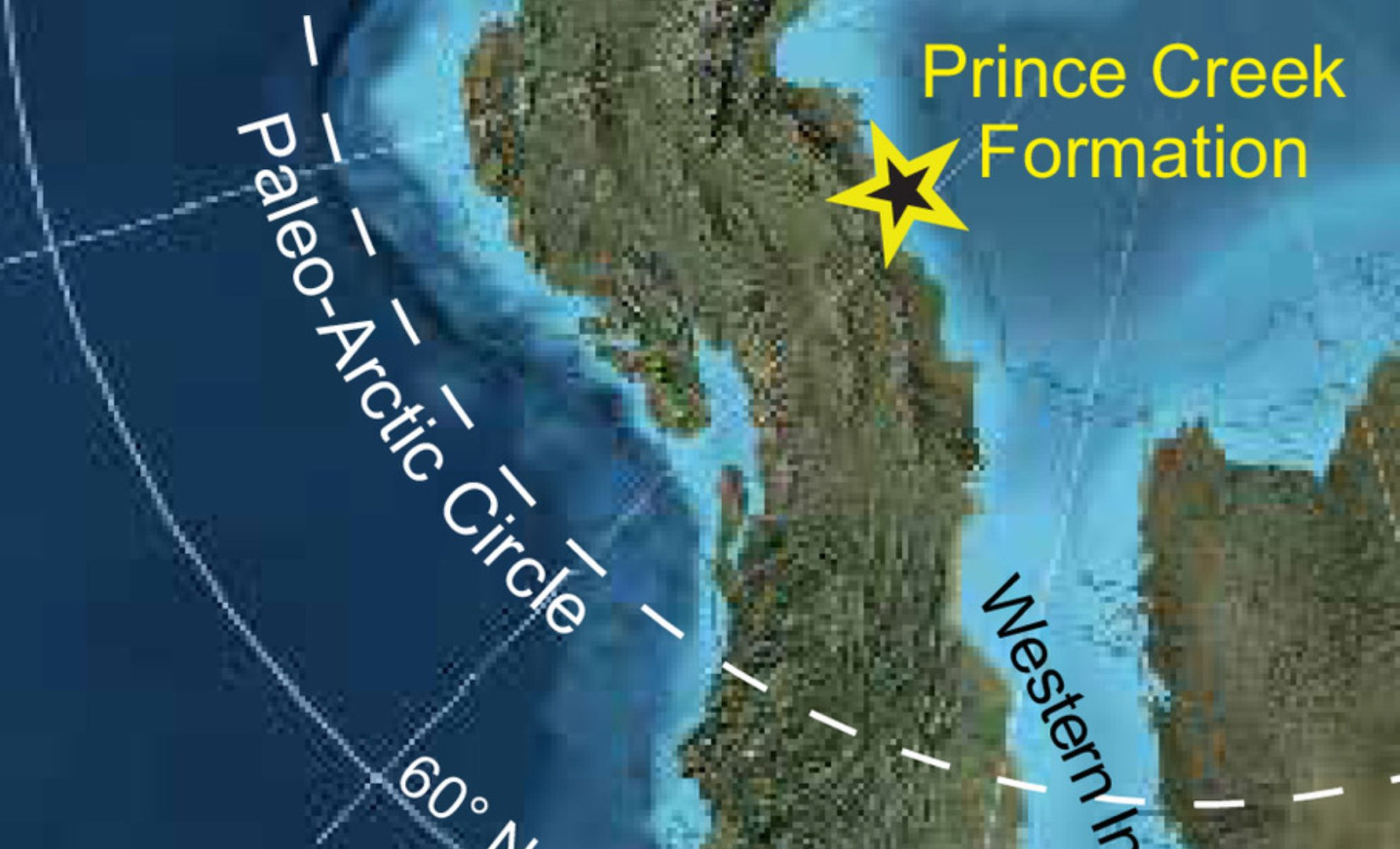
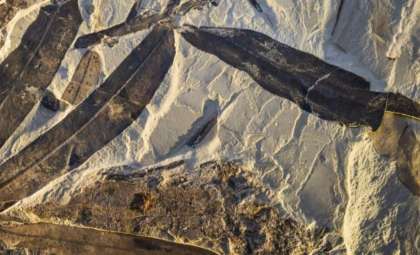
These fossils, primarily teeth fragments, were found within Alaska’s Prince Creek Formation, located inside the Arctic Circle. This formation has previously yielded an extensive array of dinosaur and mammal remains, and these new species provide fresh insights into the ecosystems of the Late Cretaceous period in the far north.
Published in the Proceedings of the National Academy of Sciences (PNAS), the research also contests the outdated notion that polar regions had a marginal role in the evolution of early mammals.

Discovery Through Tiny Fossilized Teeth
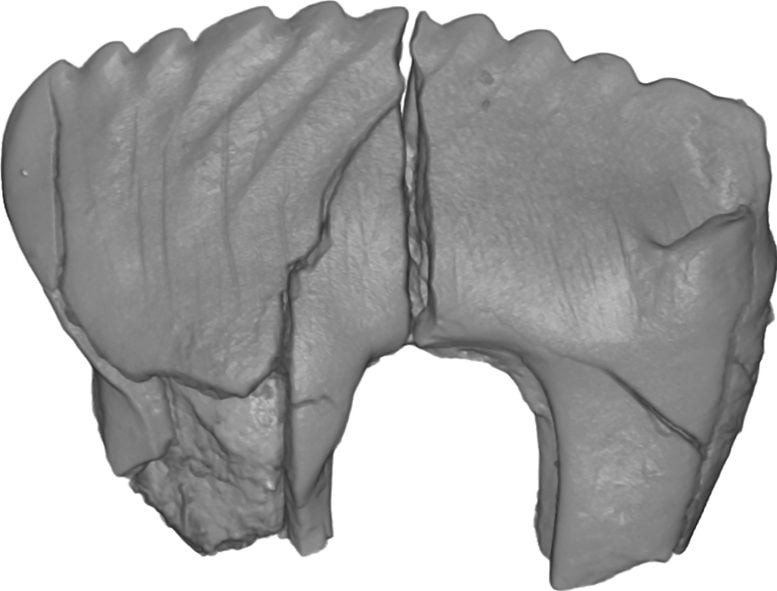
The three newfound species, named Camurodon borealis, Qayaqgruk peregrinus, and Kaniqsiqcosmodon polaris, were identified based on fossilized teeth dated to about 73 million years ago.
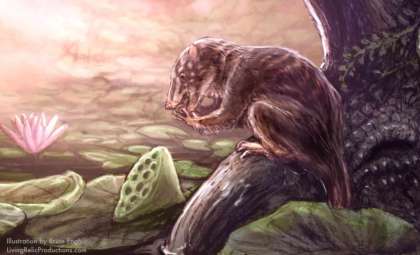
These creatures belonged to the extinct multituberculate mammals, roughly the size of contemporary mice or rats. Multituberculates were among Earth’s most enduring mammal groups, persisting for over 100 million years and surviving beyond the dinosaur extinction event. By comparison, Homo sapiens has existed for only about 300,000 years.
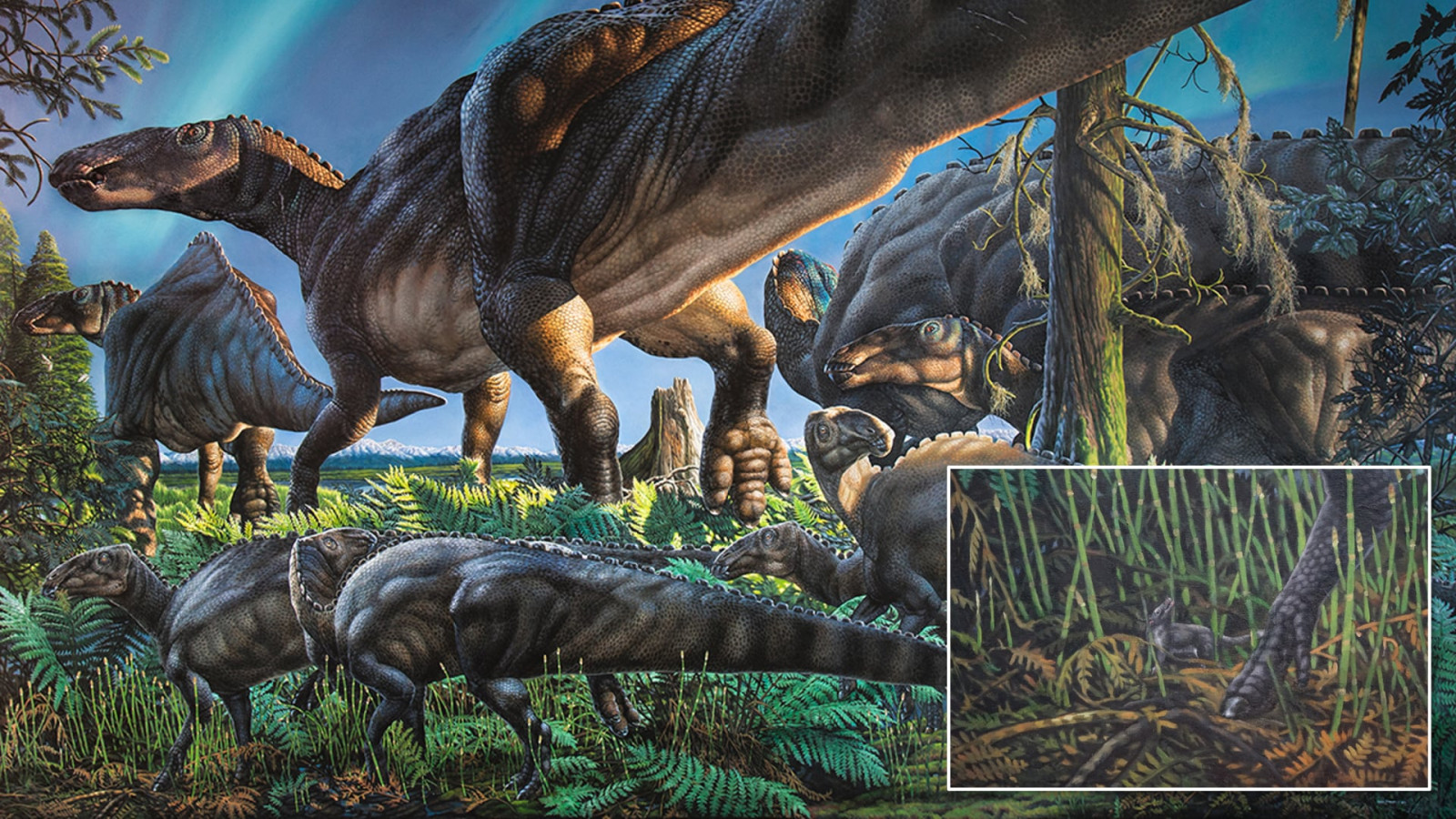
Life in Arctic Alaska was challenging even during the Late Cretaceous, with extended winter darkness, cold temperatures, and limited food supplies. Nonetheless, these mammals adapted and endured. Patrick Druckenmiller, co-author from the University of Alaska Fairbanks, remarked:
“These three new mammal species add to a growing body of evidence that this ancient arctic region was home to unique, polar-adapted species.”
Distinct Diets Underpinning Coexistence
Despite their close relation, the species’ teeth indicate varying dietary habits. Camurodon borealis was likely herbivorous, while Qayaqgruk peregrinus probably consumed both plants and insects. Kaniqsiqcosmodon polaris was also likely omnivorous, favoring a plant-based diet.
This dietary diversity may have reduced competition for food when resources were scarce. Sarah Shelley, the primary author, suggested that the variety within multituberculates might explain their longevity, stating:
“I think they can reveal a lot about the resilience of mammals, not just to the mass extinction, but also to climatic stresses that many organisms are facing today.”
Earlier Evidence of Mammal Migration Between Asia and North America
The study also uncovered signs of ancient migration. One species, Qayaqgruk peregrinus, shares close ties with a mammal previously discovered in modern-day Mongolia. This connection suggests that its ancestors crossed from Asia into North America approximately 92 million years ago.
Jaelyn Eberle, senior author of the study, emphasized that this finding demonstrates a land bridge facilitating small mammal movement between continents around 90 million years ago. Shelley further highlighted that the discovery revises our understanding of native species and shows how animals have been influencing ecosystems across continents for hundreds of millions of years.
“It really challenges how we think about native species. Deep time reminds us that a place is not just a point on a map, but a long, layered history of landscapes and inhabitants,” she added.
- Categories:
- News




0 comments
Sign in to Comment