

Preserved in a secure display in Dresden, Germany, a centuries-old manuscript crafted from bark paper showcases intricate glyphs and mysterious symbols. Known as the Dresden Codex, this rare Maya manuscript has captivated experts for its exquisite artistry and detailed astronomical information. Recent studies, however, reveal that the codex embodies a far more advanced mathematical system capable of accurately forecasting solar eclipses.
For years, the eclipse charts within the codex were considered primarily ceremonial. Contemporary research, though, presents a different picture: these charts represent a sophisticated calendar mechanism that interweaves multiple cycles and subtle adjustments to predict solar eclipses across centuries. Published in Science Advances, the findings highlight the Maya scribes as not just observers of the cosmos but skilled mathematicians who constructed an elegant and functional temporal model.
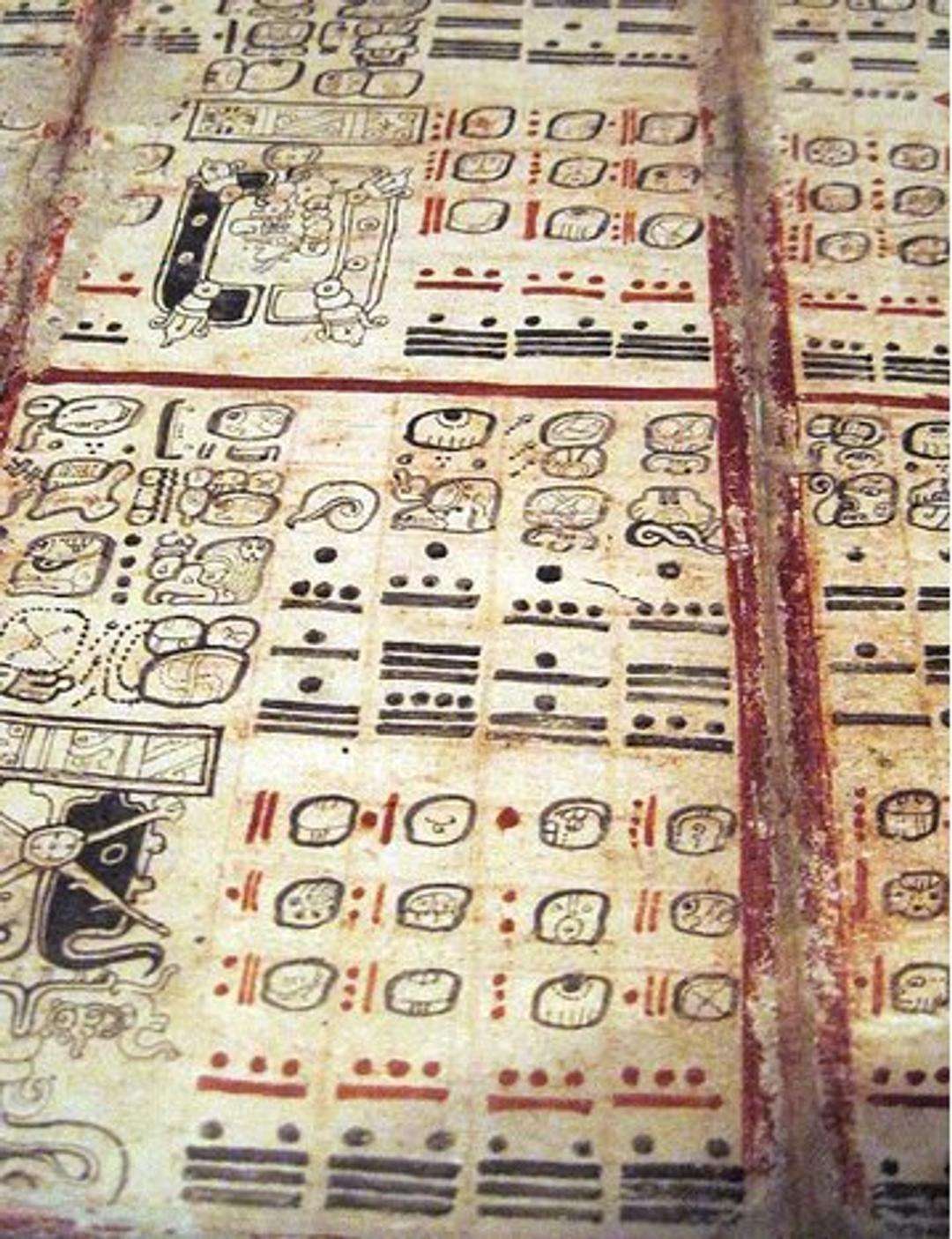
The Maya civilization, dominant across southern Mexico and Central America from 250 to 900 AD, has long been known for crafting one of the most intricate calendrical systems of ancient times. This fresh analysis elevates our appreciation to awe. By layering lunar phases and ritual schedules into a complex overlapping network, they devised a forecasting scheme that rivals pre-telescope European astronomy.

An Intentional Fusion of Calendar Systems
The core of the research focuses on the Tzolk’in, a 260-day ceremonial calendar, together with a lunar cycle precisely charted in the Dresden Codex. Far from independent, these two cycles were layered to produce “interference patterns” that pinpointed times when solar eclipses were more probable.
Lead researcher John Justeson, emeritus professor at SUNY Albany, explains that this synchronization was no accident. By combining the calendars, the Maya identified recurring eclipse events at predictable intervals. “They weren’t merely observing celestial phenomena,” Justeson told The Atlantic. “They were actively controlling time.”
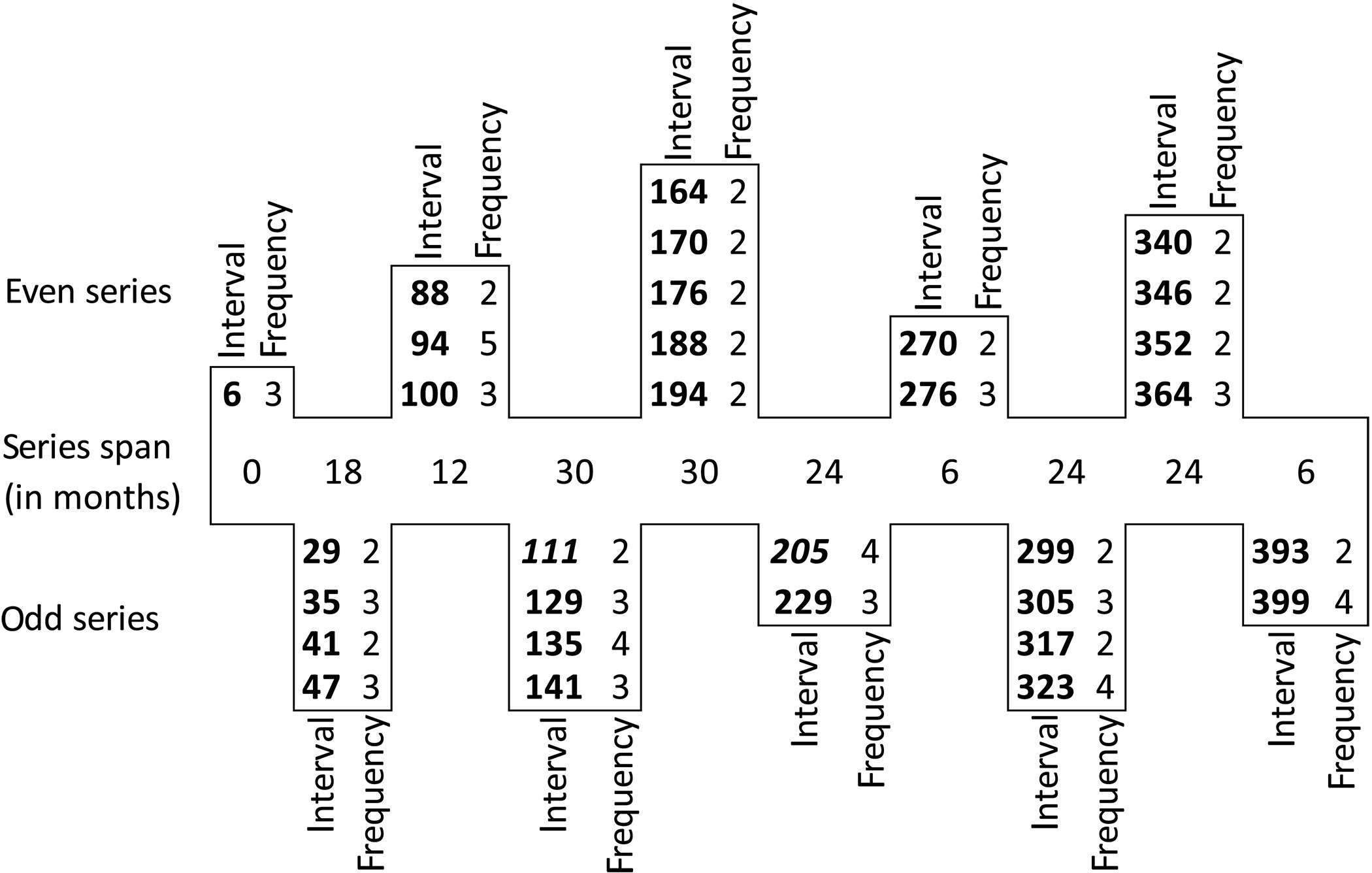
The intersecting calendars functioned as a modular arithmetic framework, where overlapping cycles created specific convergence points. The 260-day ritual count paired with a lunar cycle of about 177 days created nodes corresponding to known eclipse dates. Extended over centuries and adjusted through iterative corrections, this system formed an exceptionally accurate predictive apparatus.
Ancient Techniques for Extended Predictions
The codex doesn’t rely on a single cycle but presents multiple eclipse charts in combination, enabling ongoing refinements that accommodate deviations typical in astronomical calculations. This layered approach parallels contemporary strategies in long-term prediction, where adjustments are made incrementally to minimize errors.
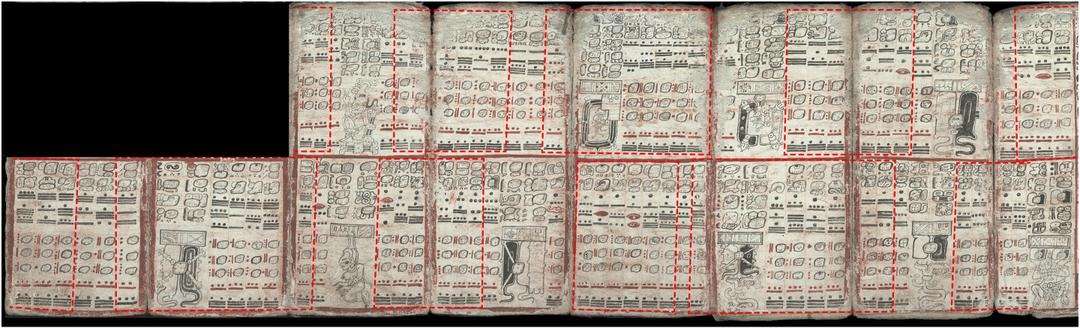
The power of these eclipse tables lies in their design to anticipate deviations. Across generations, this dynamic model maintained reliability through built-in adaptability rather than static perfection.
“These records were continually fine-tuned,” states Barbara Tedlock, a University at Buffalo anthropologist specializing in Maya temporal systems. “They demonstrate more than observational astronomy; they embody a responsive, evolving data system.”
Considering the absence of telescopes, modern numeric notation, or abstract algebra, the accomplishment is extraordinary. Using pictographic script on bark-paper, Maya scholars encoded a functioning astronomical framework within what was also a spiritual text.
Interweaving Spirituality with Astronomical Science
Traditionally viewed as a sacred relic, the Dresden Codex survived centuries of upheaval. Created between the 13th and 14th centuries, it preserves insights dating to the Classic Maya era. The 39 accordion-folded pages, covered with dense glyphs and colorful imagery, were once dismissed as purely decorative or mythic.
The latest interpretation reframes the codex as a dual-purpose manuscript: both a spiritual guide and a scientific calendar. It simultaneously supports ritual timing and conveys extensive celestial cycles.
This new perspective highlights Maya scientific ingenuity and challenges dominant viewpoints on the origins of astronomy. It implies that complex astronomical modeling can develop independently of Western traditions, rooted instead in ritual practices, careful observation, and symbolic logic.
While previous research has acknowledged the astronomical sophistication of ancient American cultures, The Venus tables in this codex further demonstrate advanced knowledge of planetary motions, as documented in earlier anthropological and mathematical studies.
- Categories:
- Science













0 comments
Sign in to Comment