
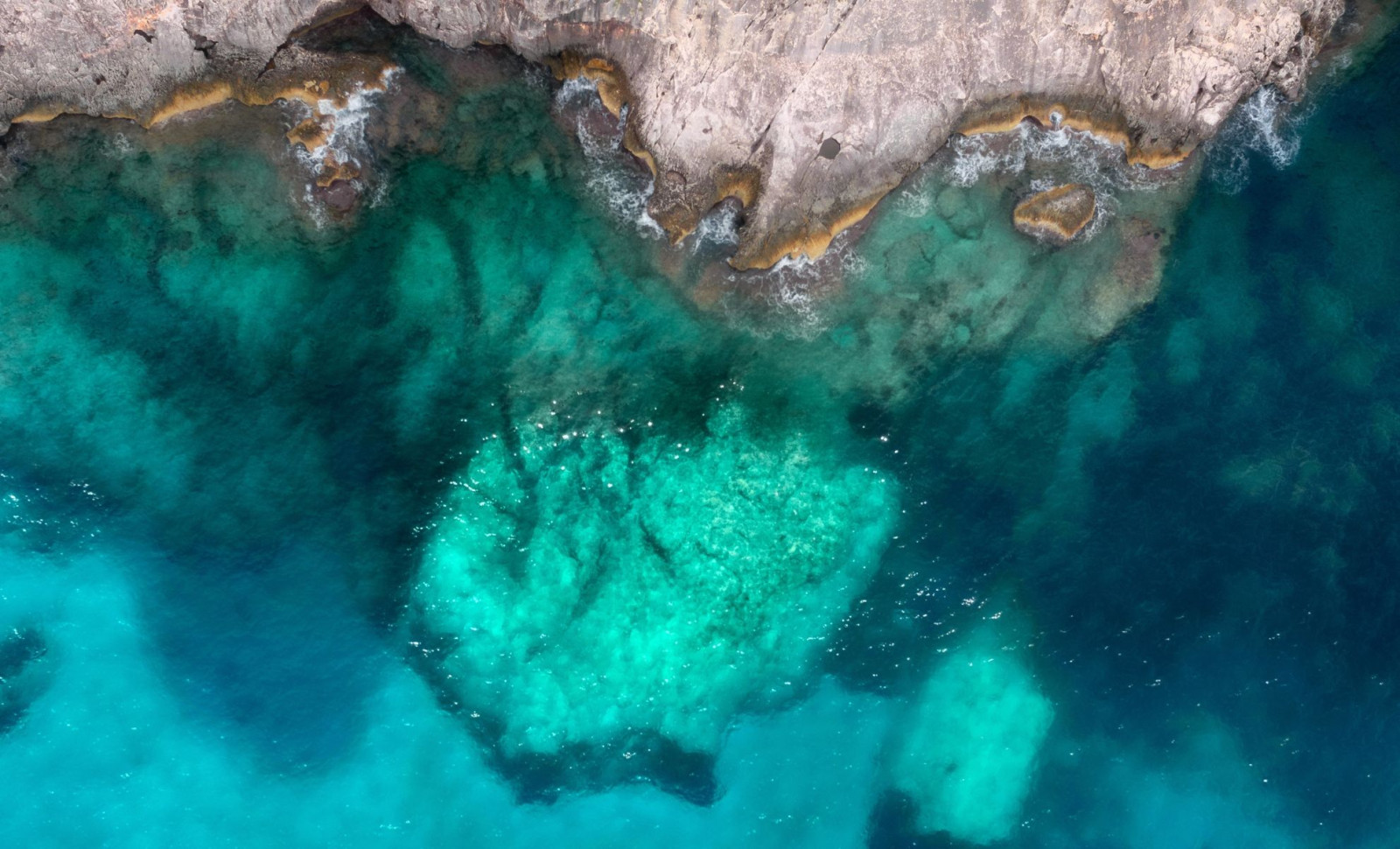
Approximately 5.6 million years ago, the Mediterranean Sea nearly disappeared, isolated from the Atlantic Ocean. Over time, it dried extensively, leaving behind an immense basin filled with salt deposits and etched by river activity. Eventually, Atlantic waters surged back, refilling the basin in what might have been one of Earth's most massive flooding events.
Researchers have explored this phenomenon for many years. While the primary evidence is well-established, debates continue over the extent of the Mediterranean's desiccation and the pace at which it was refilled.
Today, the Mediterranean Sea is a familiar body of water surrounded by Europe, Africa, and the Middle East. However, its past includes a remarkable era when its basin resembled an arid landscape more than a sea. This occurrence is known as the Messinian Salinity Crisis, leaving detectable remnants beneath the current seafloor.

Vast Salt Layers Beneath the Mediterranean Floor
The first significant evidence was uncovered in 1970 during drilling by the research ship Glomar Challenger. Scientists were surprised to find thick strata of salt and gypsum beneath younger layers of sediment.
A Nature article details how the Mediterranean basin accumulated over one million cubic kilometers of salt during this dry phase, ranking among the largest salt deposits on Earth. This large-scale evaporation process is necessary to explain such deposits, as water loss concentrates salt until it crystallizes and settles.
Additional findings supported this conclusion, including remnants of fossil soils, ancient land plants, and evidence of prehistoric river networks. These discoveries indicate the Mediterranean once looked vastly different from its present state.
River Erosion Carved a Basin Instead of Sea
For an estimated 600,000 years, the Mediterranean basin saw a dramatic reduction in open water. Instead of a continuous sea, salt flats, isolated lakes, and deep river valleys dominated the landscape. Notably, the Nile formed a canyon exceeding a kilometer in depth beneath its current path in Egypt. Similar formations were created by the Rhône River in France and the Po River in Italy.
During the later stage, called the Lago Mare phase, shallow brackish lakes appeared across sections of the basin, hosting animal species similar to those inhabiting today's Caspian Sea.
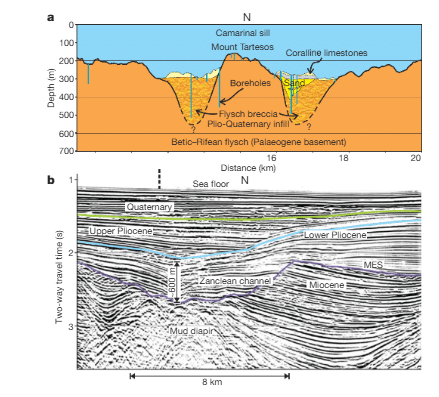
The basin floor likely experienced extreme conditions. Parts of it were situated several kilometers below sea level, meaning air pressure was significantly higher and temperatures could have been extremely elevated. Some researchers propose that temperatures on the ancient basin floor rivaled those found in Earth's hottest modern deserts.
An Enormous Flood and Ongoing Scientific Debate
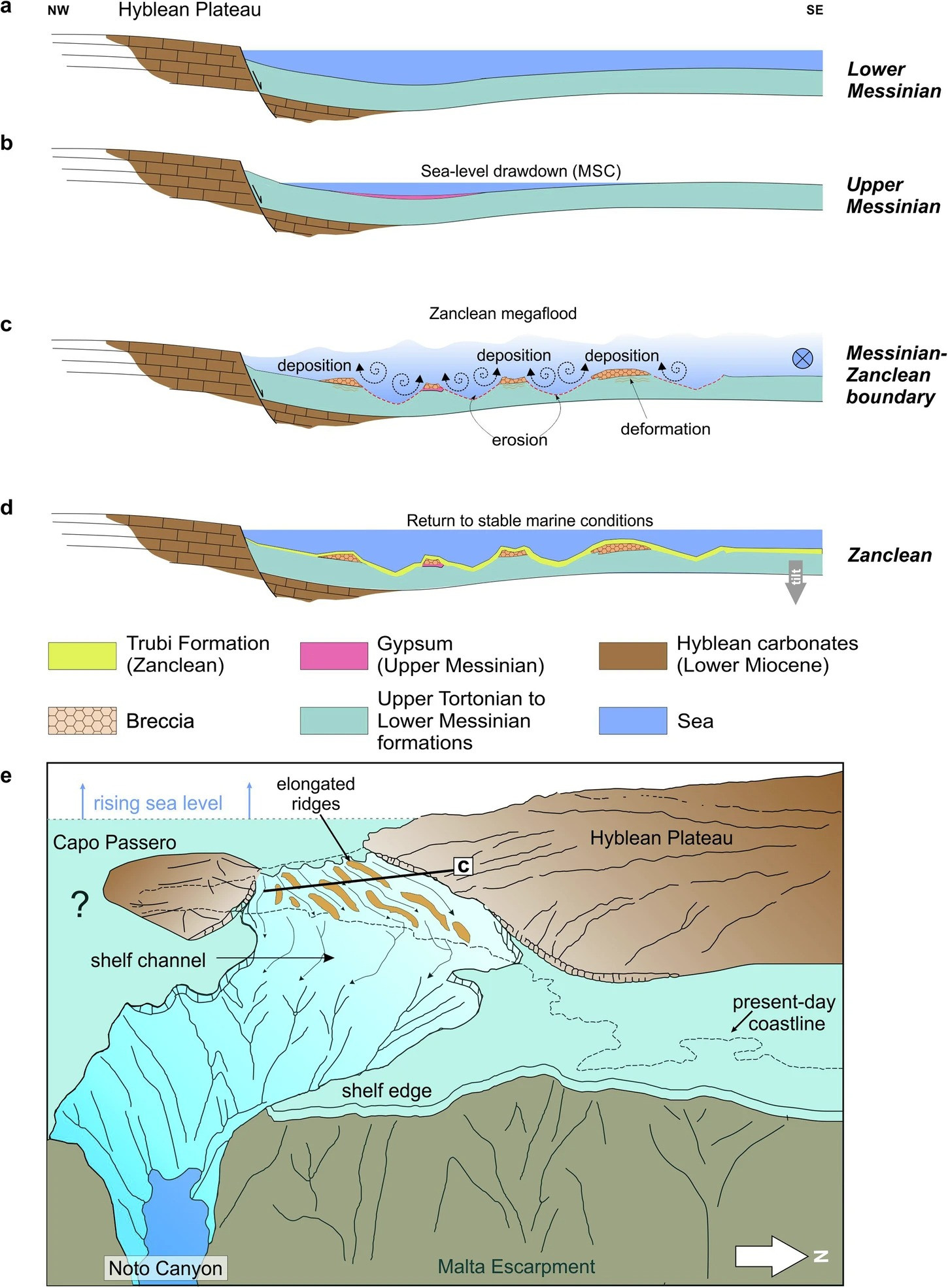
Eventually, seawater returned to the Mediterranean, but the dynamics of this event remain contested. A 2009 publication in Nature by Daniel Garcia-Castellanos and colleagues proposed that reopening of the Strait of Gibraltar caused the Zanclean Flood, refilling the basin rapidly. Their estimates suggest that nearly 90% of the Mediterranean basin could have refilled within months to two years.
More recent research strengthens this view. A report in Communications Earth & Environment described the discovery of over 300 erosion ridges and a 20-kilometer-wide channel in southeastern Sicily, attributed to fast-moving floodwaters.
“These findings not only shed light on a critical moment in Earth’s geological history but also demonstrate the persistence of landforms over five million years,” said Aaron Micallef, who led the study. “It opens the door to further research along the Mediterranean margins.”
However, the hypothesis of an instantaneous mega-flood is under reassessment. A February 2026 review published by Knowable Magazine highlights newer studies arguing that the Mediterranean may not have completely dried out, maintaining some Atlantic connection throughout the crisis. Other experts suggest the basin's refilling spanned several millennia rather than a few years.
- Categories:
- News





0 comments
Sign in to Comment