
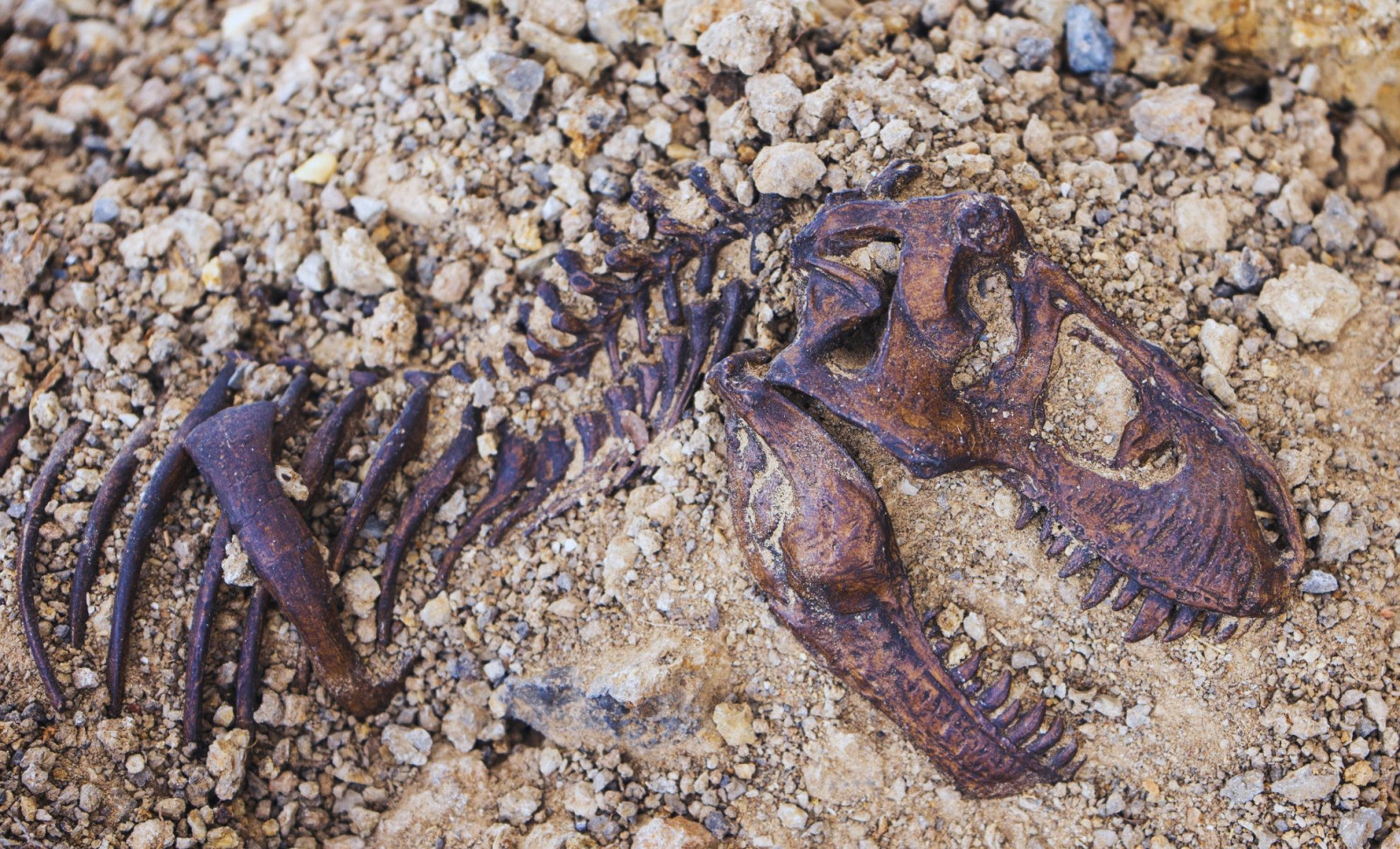
For years, it was widely accepted that Tyrannosaurus rex achieved its maximum stature by around 25 years of age. Recent investigations, however, have shown that this legendary dinosaur probably needed a significantly longer time to grow into its colossal eight-ton frame.
Scientists have relied on studying growth rings in dinosaur bones—similar to tree rings—to determine the age and developmental stages of these ancient creatures. Earlier studies indicated that the massive T. rex matured quickly, within just 25 years. Yet a fresh analysis appearing in PeerJ examining 17 different Tyrannosaurus fossils suggests the dinosaur's development was notably slower and more drawn out than formerly assumed.
Oklahoma State University researcher Holly Woodward led this comprehensive study, implementing state-of-the-art imaging and statistical tools to shed new light on T. rex’s growth patterns.

Cutting-Edge Imaging Techniques Reveal More Growth Rings
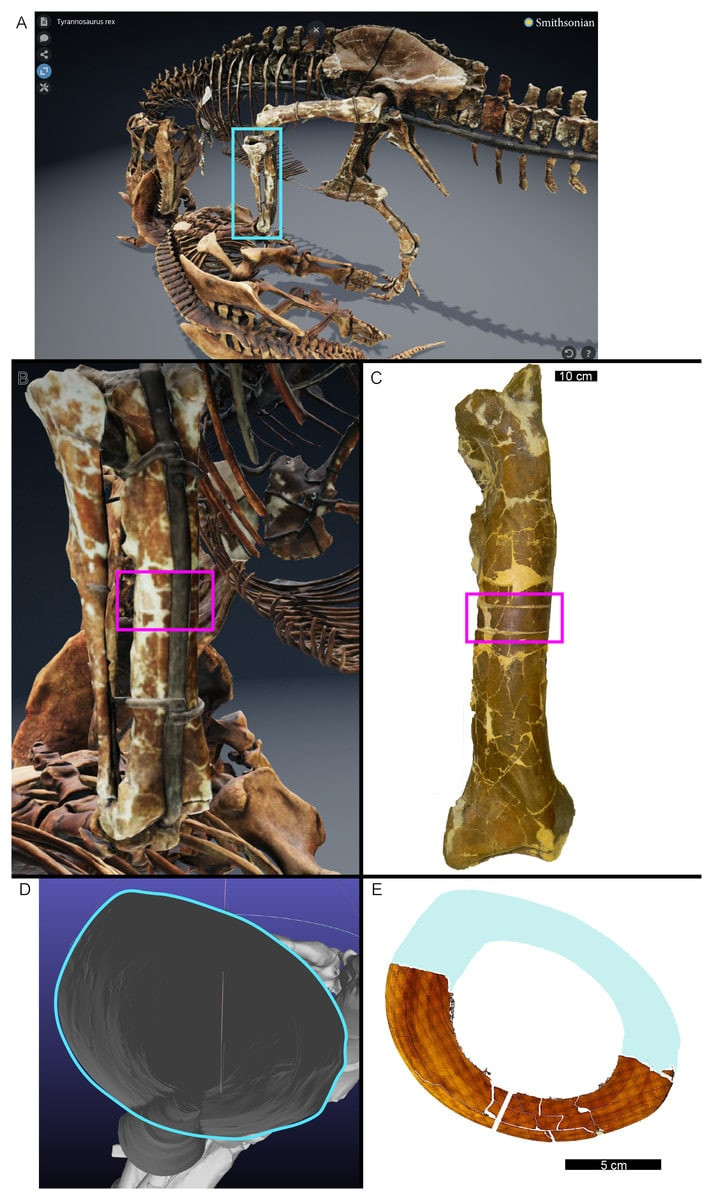
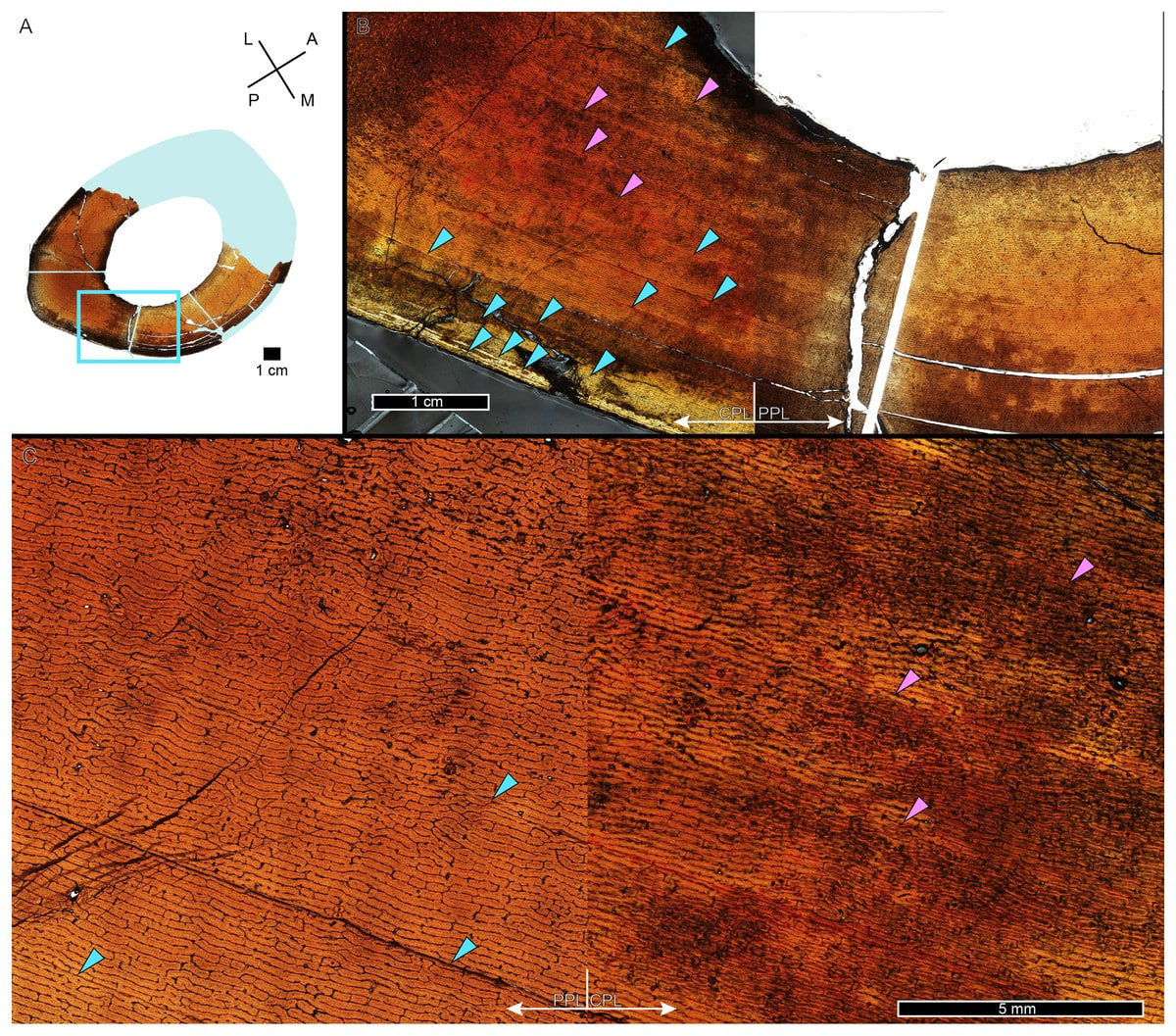
A pivotal aspect of this research involved applying advanced imaging to fossilized leg bones from various Tyrannosaurus rex specimens. Utilizing polarized light allowed scientists to detect growth rings previously missed by conventional analysis methods.
“This is the largest data set ever assembled for Tyrannosaurus rex,” said Holly Woodward. “Examining the growth rings preserved in the fossilized bones allowed us to reconstruct the animals’ year-by-year growth histories.”
By employing these refined techniques, researchers established a more precise growth timeline, significantly extending our understanding of the dinosaur’s maturation over its lifespan.
Ecological Impact of Extended Growth Period
The study indicates that T. rex experienced gradual growth over about 40 years, far surpassing earlier estimates. This prolonged developmental phase may have meaningful consequences for its role within prehistoric ecosystems and its interactions with other species.
Co-author Jack Horner from Chapman University proposed that the extended growth duration might have enabled juvenile T. rex to fulfill diverse ecological functions.
“A four-decade growth phase may have allowed younger tyrannosaurs to fill a variety of ecological roles within their environments,” Horner explained. “That could be one factor that allowed them to dominate the end of the Cretaceous Period as apex carnivores.”
This separation of ecological niches among different age groups might have reduced competition for resources, supporting the species’ evolutionary success.
Are There Multiple Tyrannosaurus Species?
Although T. rex is the most famous member of its genus, the current findings spark fresh debate regarding the classification of certain fossils. Some specimens, such as the well-known “Jane” and “Petey”, exhibited growth characteristics that diverge notably from typical T. rex fossils. This variation has led some paleontologists to speculate that these may belong to a different species, potentially the close relative Nanotyrannus.
While the topic remains unresolved, these discrepancies in growth patterns merit careful consideration. Research by paleontologists Zanno and Napoli also supports the possibility that ‘Jane’ and ‘Petey’ represent a separate branch within the tyrannosaur family. More investigation is necessary, but this hints at a more intricate T. rex lineage than previously understood.
- Categories:
- Science











0 comments
Sign in to Comment