
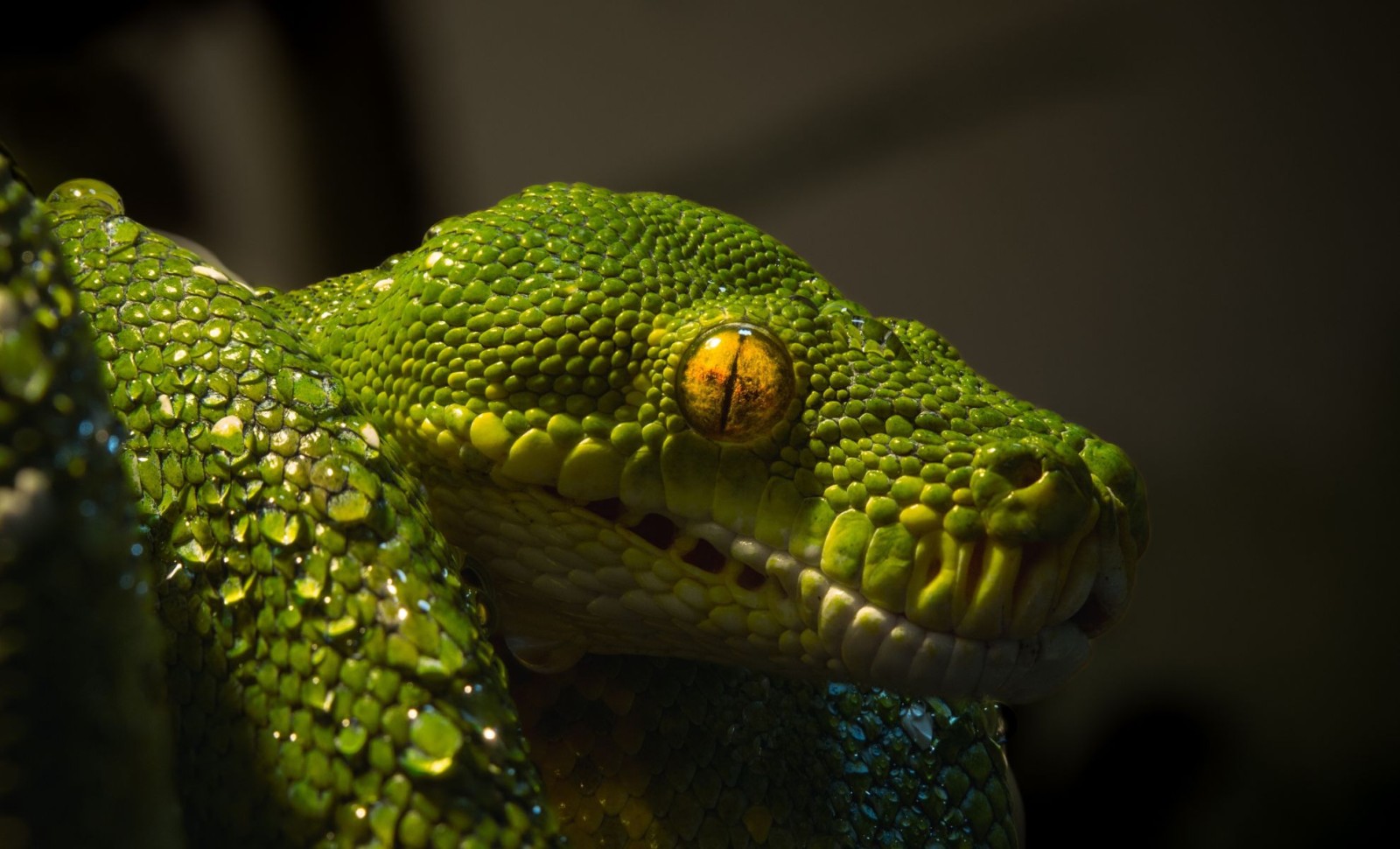
A remarkable 167-million-year-old specimen unearthed on Scotland’s Isle of Skye is challenging established ideas about how snakes originated. This reptile, named Breugnathair elgolensis, exhibits an unusual combination of features that disrupt the traditional story of snake ancestry. Its unique traits suggest snake evolution may have been a complex network of diverse developments rather than a straightforward sequence.
Historically, scientists believed snakes evolved gradually from lizard-like predecessors by shedding limbs and elongating their bodies. However, Breugnathair complicates this view by presenting a mosaic of traits, indicating that snake evolution might have followed multiple, overlapping paths instead of a single linear trend.
An Enigmatic Fossil Challenging Conventional Wisdom
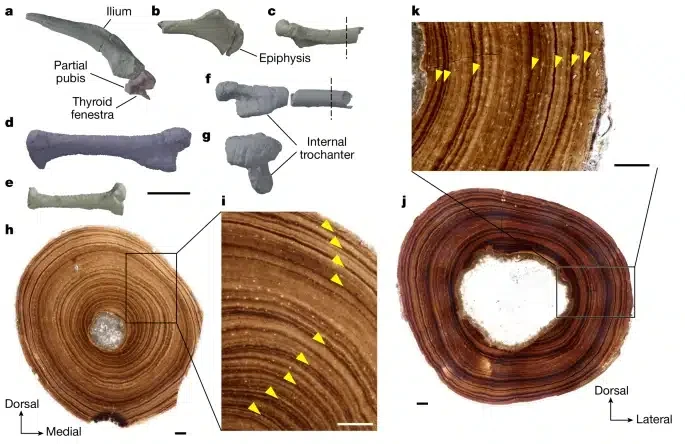
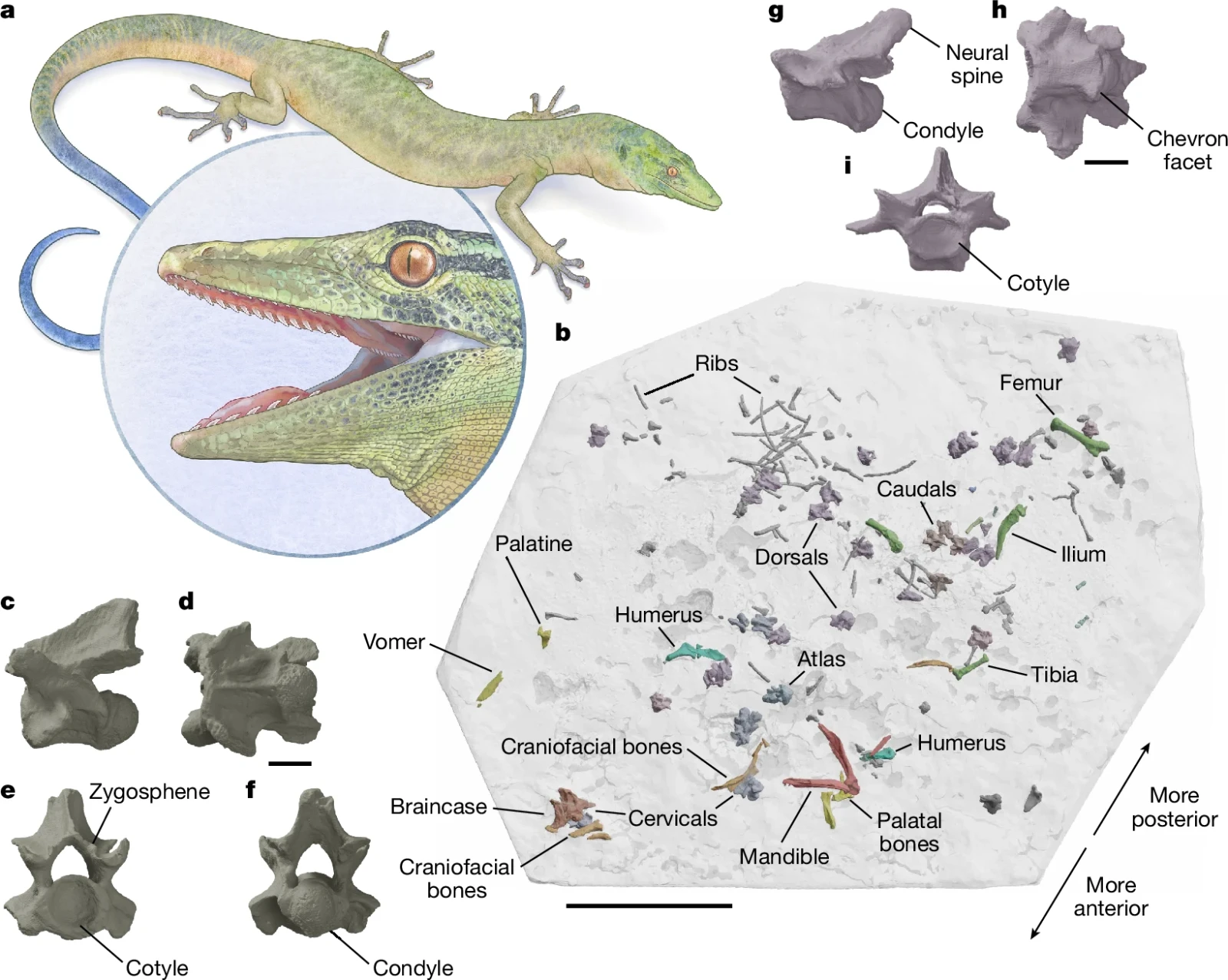
The discovery of the Breugnathair fossil on the Isle of Skye—a site renowned for its breathtaking scenery and ancient rocks—has sparked new debates in paleontology. This creature belongs to the newly identified extinct family Parviraptoridae. It possessed fully developed limbs akin to a typical lizard, yet its jaw structure and teeth closely resemble those found in snakes.

“The Jurassic fossil deposits on the Isle of Skye are of world importance for our understanding of the early evolution of many living groups, including lizards, which were beginning their diversification at around this time,” explained University College of London Professor and study co-author Susan Evans.
Research published in Nature highlights that Breugnathair had curved, cone-shaped teeth similar to those of present-day pythons—providing strong indications that snake-like dental features emerged much earlier than scientists once assumed.
“But when we look at the details of Breugnathair, we don’t see many features shared with those. Instead, it has a handful of more primitive features shared with some of the earliest lizards and present today in groups like geckos and skinks. This is a big surprise,” explained paleontologistRoger Benson of the American Museum of Natural History in New York.
A Complex Evolutionary Pathway, Not a Straight Road
Scientists propose that traits typically associated with snakes, such as their specialized jaws, appeared much earlier and in multiple reptile lineages. This suggests that snake evolution involved several evolutionary “experiments” rather than a single, uninterrupted progression.
“This fossil gets us quite far, but it doesn’t get us all of the way,” said Benson.“However, it makes us even more excited about the possibility of figuring out where snakes come from.”
Rather than following a straightforward course, the evolutionary journey was marked by complex twists, with specific features like jaw morphology and dentition emerging earlier and possibly evolving independently in different species.
- Categories:
- News




0 comments
Sign in to Comment