
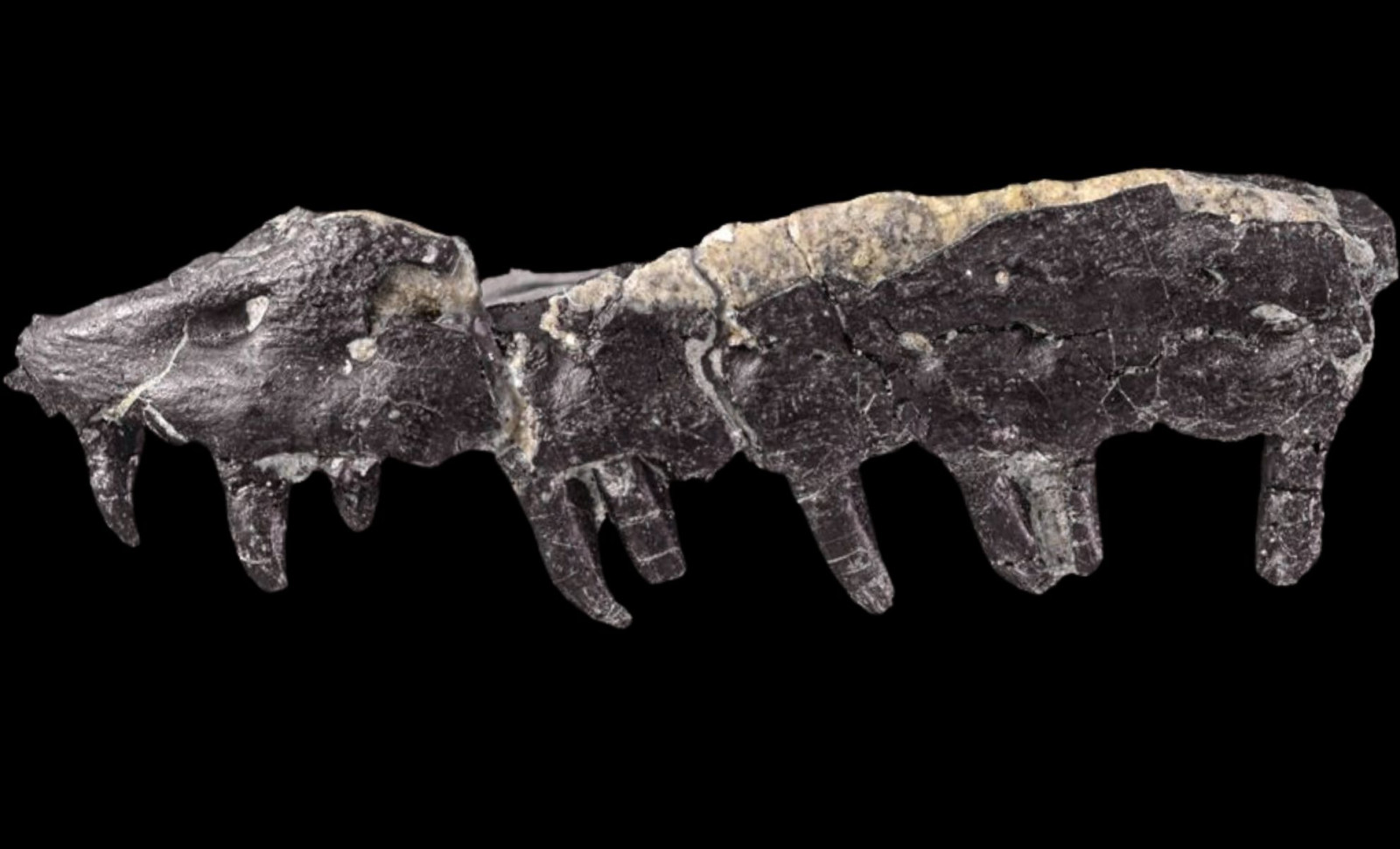
A remarkable 83-million-year-old reptile fossil discovered in southern France has been classified as a new species, named Acutodon villeveyracensis, honoring the village of Villeveyrac where it was found. This specimen is the sole known Upper Cretaceous crocodile-lizard fossil from Europe.
Identifying a new species is a noteworthy milestone in paleontology, especially one that bridges gaps in evolutionary knowledge. This discovery not only advances scientific understanding but also highlights the significance of the small French community in Hérault linked to this extraordinary prehistoric find.
Although found decades ago, the fossil underwent extensive research before earning its formal description. Today, experts view it as a crucial piece in decoding the evolutionary history of a scarcely documented reptile lineage.

An 83-Million-Year Journey from Discovery to Identification
The fossil was initially uncovered in 1997 by paleontologist Xavier Valentin in an old bauxite mining site near Villeveyrac. It consists of an upper jaw fragment featuring five to six distinctly sharp teeth. As noted by Le Parisien, Valentin mentioned that the species name Acutodon villeveyracensis means “Sharp Tooth of Villeveyrac.” He elaborated:
“The fossil is a fragment of an upper jaw containing five to six extremely sharp teeth, similar in appearance to snake teeth.”
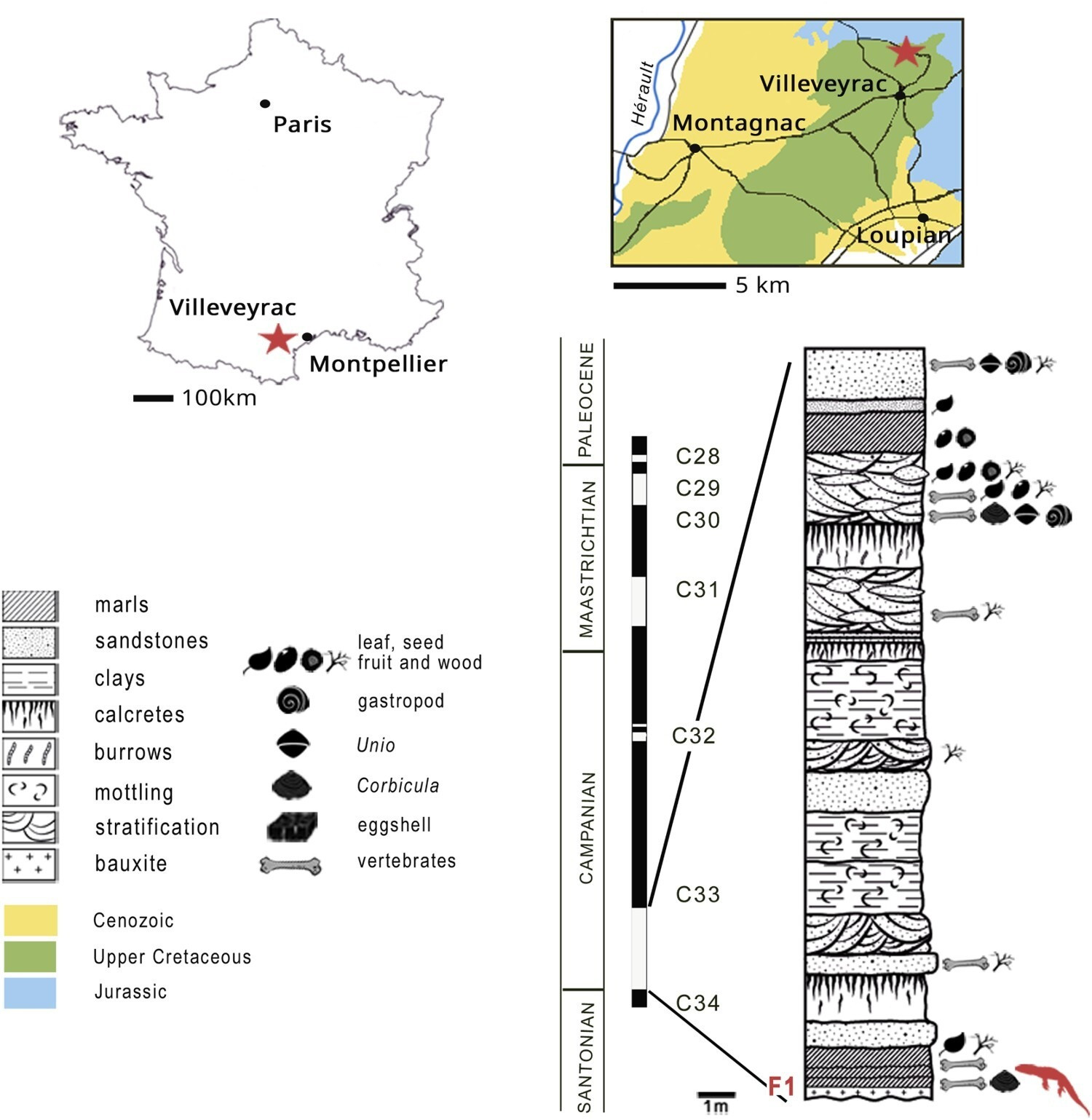
While Valentin made the original find, the detailed scientific evaluation was carried out by paleontologist Olivier Jansen. The comprehensive study was published in May 2026 in the Journal of Vertebrate Paleontology, officially recognizing the fossil as a previously unknown species. Naming the creature after Villeveyrac honors the local community’s long-term support for the research.
A Rare Representative of an Obscure Reptilian Lineage
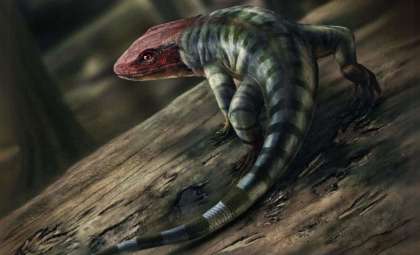
This fossil has been identified as belonging to a crocodile-lizard species that inhabited the humid tropical forest landscapes of Late Cretaceous southern France. Scientists remark that the lineage’s evolutionary record is sparse due to very limited fossil evidence. To date, only five species and a handful of specimens have been documented.
“Acutodon villeveyracensis is attributed to a pan-shinisaur anguimorph based on a toothed maxilla sharing multiple characters with the living Chinese crocodile lizard and its fossil relatives,” said the authors.
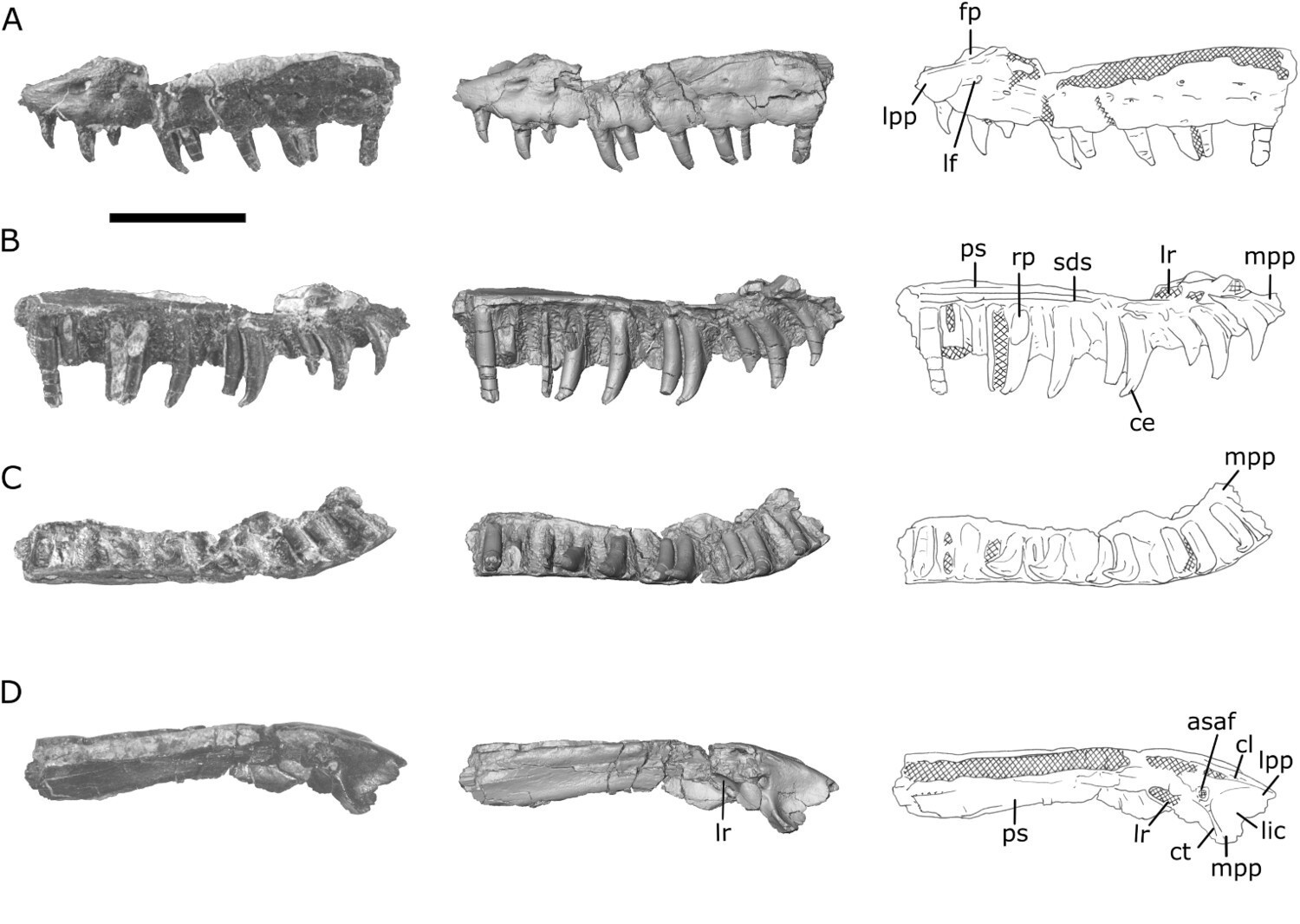
Earlier discoveries of related species arose mainly from Early Cretaceous deposits in China and younger Cenozoic sites across Europe and North America. The paper highlights a significant gap in the fossil record, making the Villeveyrac find exceptionally important.
Researchers dated the jaw fragment to about 83 million years old, representing a rare glimpse into a period without previously known European fossils from this reptile lineage.
A Scientific Landmark With Local Pride
This fossil is notable for being the oldest known pan-shinisaur specimen from Europe, the broad group that includes today’s crocodile-lizards.
The analysis indicates the species lived roughly 30 million years earlier than other known European fossils from the group, shedding new light on their paleobiogeography and ancient distribution across the continent.
“While this species is currently on the brink of extinction, the evolutionary history of this group remains poorly understood, and the species could disappear before we untangle the mysteries of its origins.”
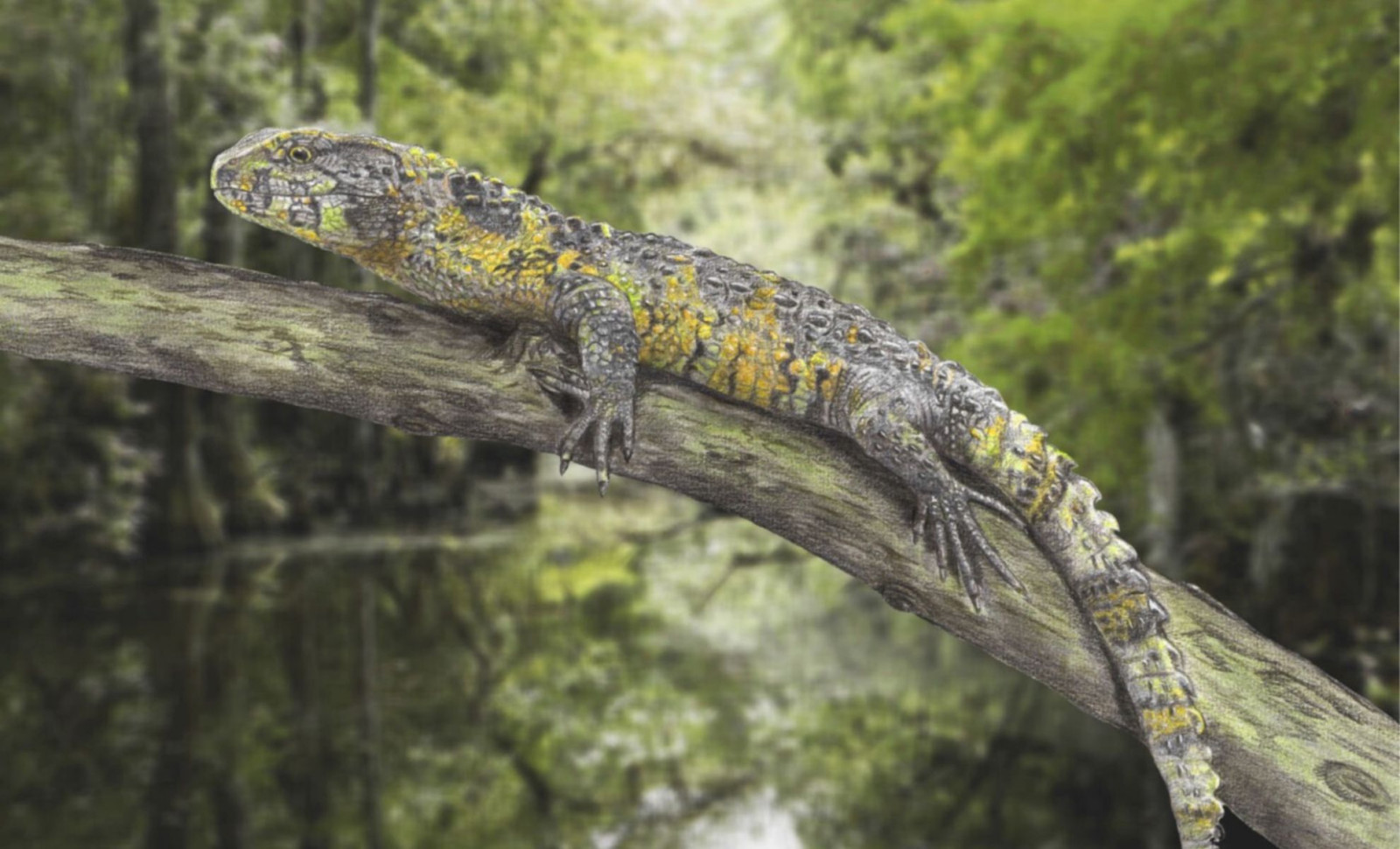
The species’ name honors the collaboration between scientists and the Villeveyrac community. Mayor Christophe Morgo expressed enthusiasm about the designation, with plans to exhibit a cast of the jaw fossil in the town’s local museum.
- Categories:
- Science

0 comments
Sign in to Comment