
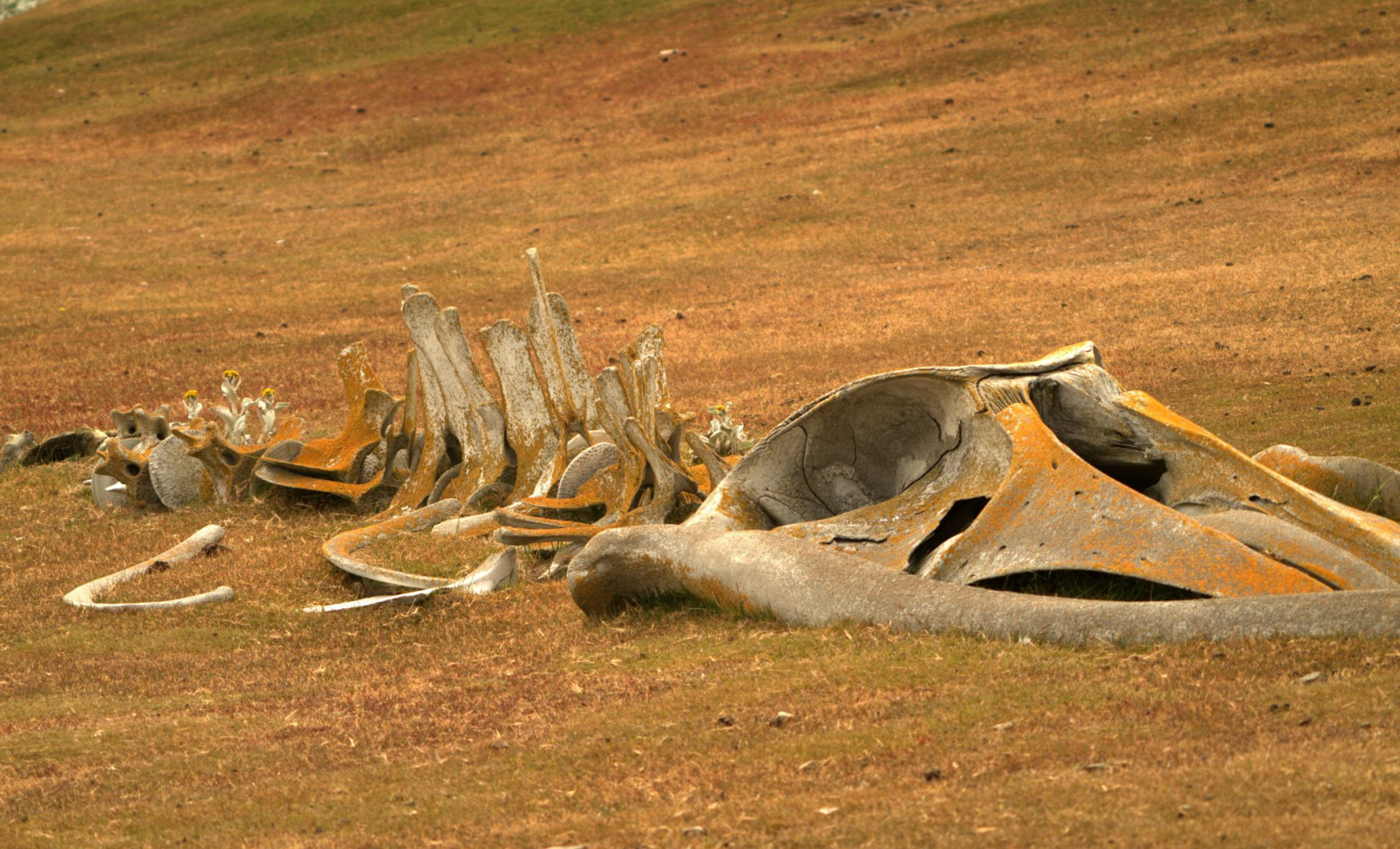
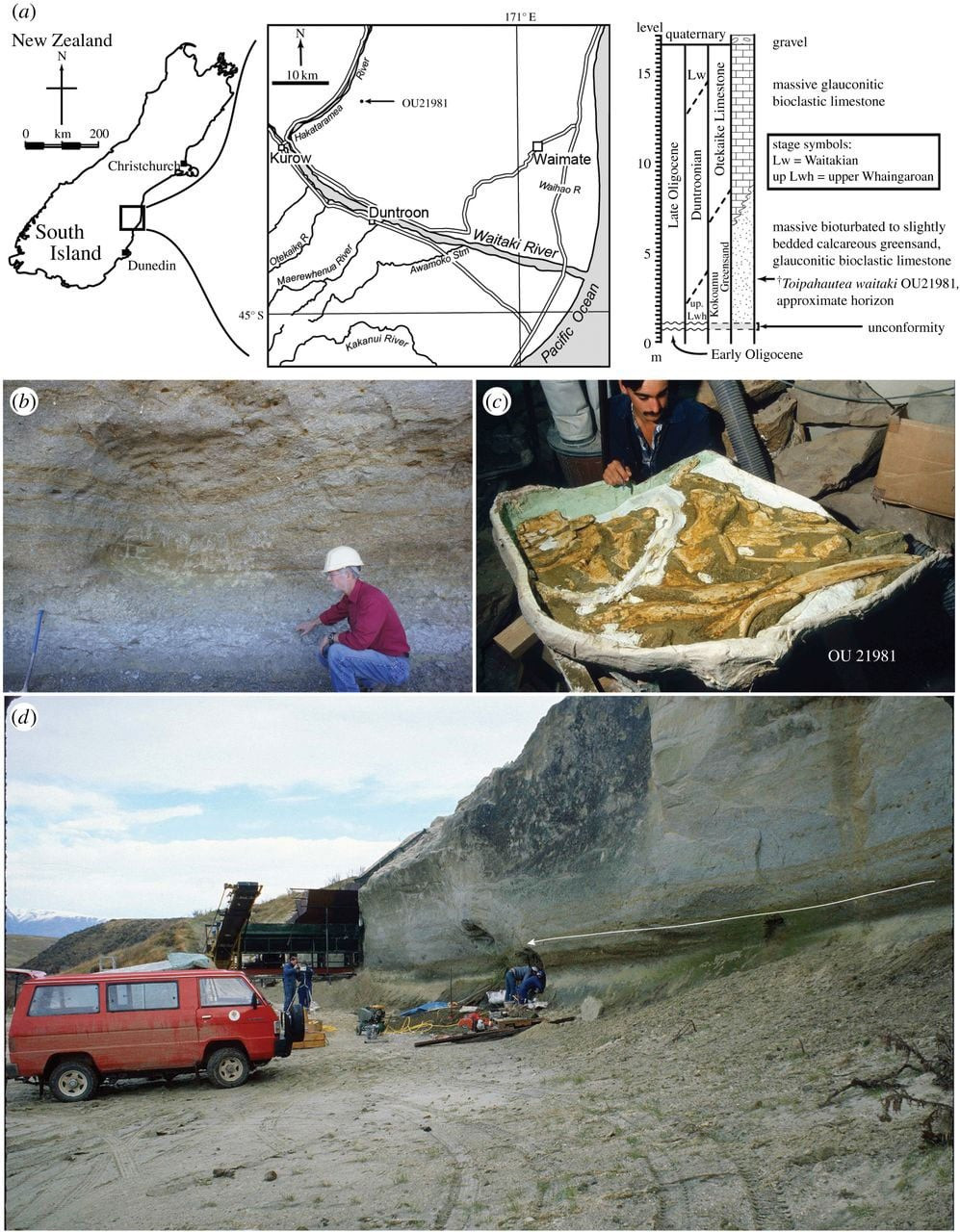
Fossil evidence from New Zealand is shedding light on the origins of baleen whales. The extinct marine mammal, dubbed Toipahautea waitaki, roamed the seas approximately 27.5 million years ago and was discovered in the Hakataramea Valley.
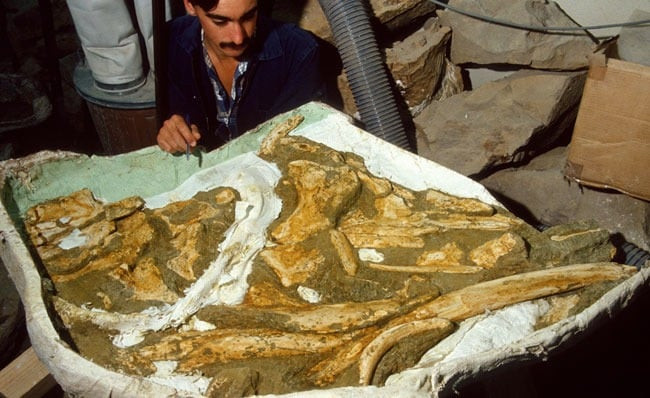
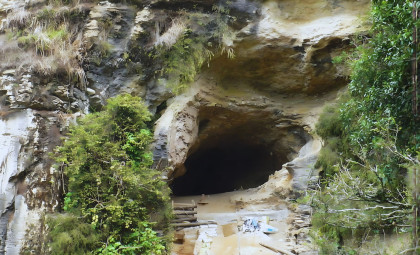
The fossilized skull and related bones were excavated from the Kokoamu Greensand, a sedimentary layer rich in fossils located in South Canterbury and the Waitaki area. During the Oligocene epoch, New Zealand was an archipelago encircled by nutrient-rich shallow waters. Research from the University of Otago unveiled that this find belongs to a new genus and species of extinct baleen whale.
A Distinct Oligocene Whale Species Emerges
The name Toipahautea waitaki derives from Māori, meaning a baleen whale from the Waitaki region. It is part of the baleen whales group known as Mysticeti, encompassing ancient toothless whales that fed by filtering tiny prey like krill using baleen plates in their upper jaws.

Dating back to roughly 27.5 million years ago in the Oligocene period (spanning about 33.9 to 23 million years ago), this whale represents an early relative of modern baleen species such as minke whales and right whales.
“This is a fantastic fossil find from a fascinating period of Earth’s history, when early whales were extremely diverse,” said David Hocking, who specializes in the evolution of aquatic mammals, is based at Monash University in Melbourne.
University of Otago’s Professor Ewan Fordyce emphasized the find’s importance for New Zealand’s paleontological record.
“This is a pretty old whale that goes almost halfway back to the age of the dinosaurs. We are tracking whale history back through time,” he explained in an university statement.
Detailed Bone Structure Reveals Whale’s Traits
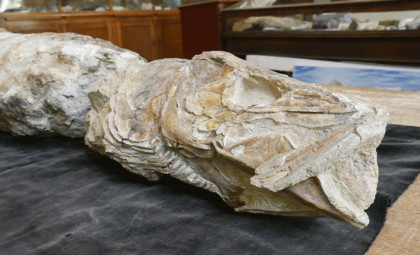
Although the fossilized skeleton was found disassembled, its bones were in close proximity, allowing a thorough analysis. The preservation of distinctive earbones proved vital in confirming the identity and classification of this new whale species.
The skull spanned roughly one meter, with the full body estimated around five meters in length. Professor Fordyce noted the ancient whale was “about half the size of an adult minke whale,” ranking it among the smaller baleen whale species.
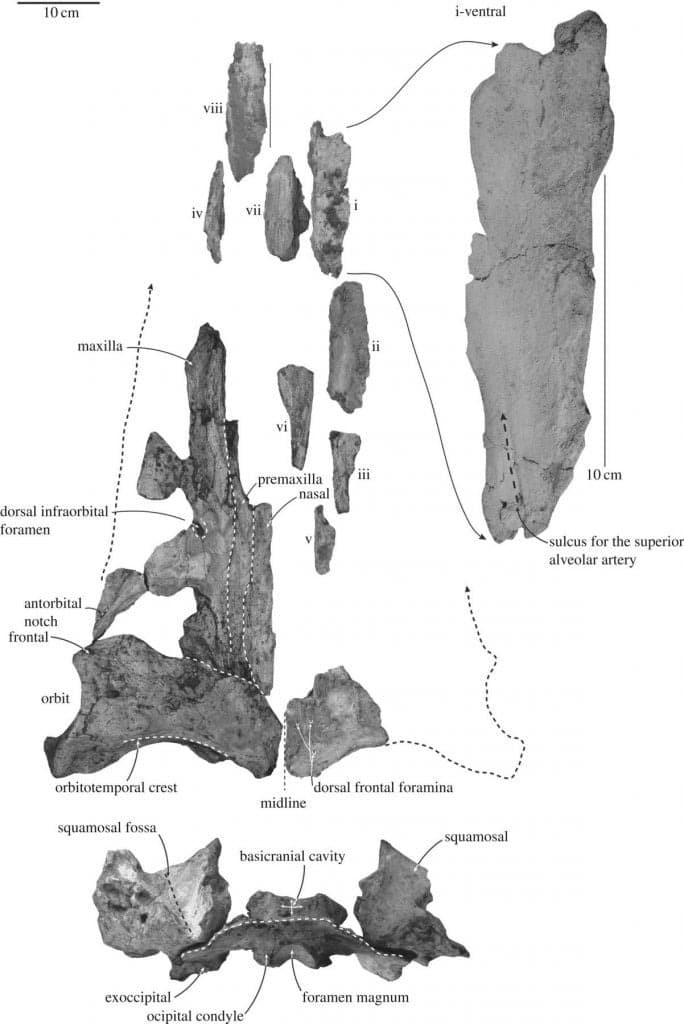
The creature’s jaws were long, narrow, and lacked teeth. According to the study, this morphology suggests the whale fed similarly to current minke whales, filtering prey from seawater through baleen rather than biting with teeth.
A Fossil Unearthed in 1988, Named After Years of Study
Although discovered during fieldwork in the Hakataramea Valley in January 1988, the fossil was only recently examined in detail. Dr. Cheng-Hsiu Tsai, currently at National Taiwan University, spearheaded the research that led to its formal identification.
The exact circumstances surrounding the animal’s death remain unknown. Professor Fordyce suggested it might have perished from shark attacks, beach stranding, or disease before its carcass settled to the seafloor, where coral and other marine life eventually grew on the remains.
The study, published in Royal Society Open Science , establishes Toipahautea waitaki as a crucial link anchoring baleen whale evolution to at least 27.5 million years ago. While older fossils might still emerge, this species currently offers a valuable reference point in cetacean evolutionary history.
- Categories:
- Science


0 comments
Sign in to Comment