
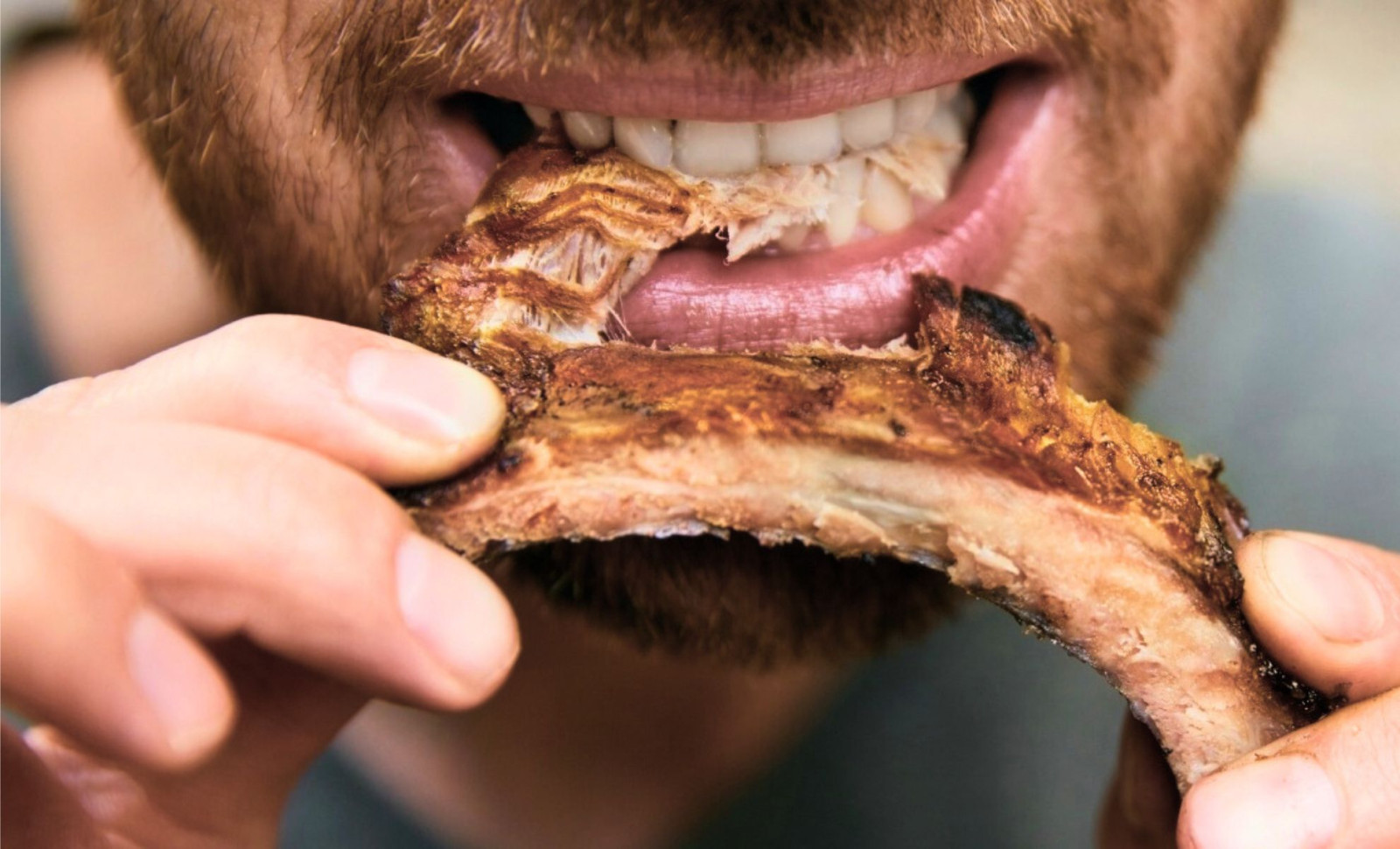
A comprehensive investigation into dietary habits among China’s oldest population has revealed an unexpected pattern: seniors who consume meat are more frequently reaching the century mark than their counterparts who do not, but this advantage appears limited to a specific subgroup. These insights have sparked renewed debate around the role of plant-based diets and optimal nutrition strategies for healthy aging in an era of increasing life spans and evolving dietary trends.
Initially, these results seem to contradict the long-standing endorsement of vegetarian and vegan diets for reducing chronic disease risk. However, the longevity benefits linked to meat consumption seem confined to underweight older adults. Among those with normal or higher body mass, no such benefit was observed.
Meat Intake Correlates with Better Survival in Malnourished Elderly
Published in 2025 and utilizing data from the Chinese Longitudinal Healthy Longevity Survey (CLHLS), this study tracked over 5,000 individuals aged 80 and older for 20 years. Researchers discovered that underweight participants who excluded meat from their diets had a significantly reduced likelihood of living to 100. Conversely, meat avoidance did not impact longevity in seniors maintaining a healthy weight.

Nutrition specialist Chloe Casey, writing for The Conversation, highlighted that the nutritional demands of aging shift, prioritizing the preservation of body mass and combating frailty over chronic disease prevention. For undernourished elders, diets lacking meat can hinder adequate intake of essential calories, protein, and important micronutrients in limited meal portions.

The research also noted no longevity differences among individuals consuming other animal-based products like dairy, eggs, or fish. These sources provide vital nutrients such as vitamin B12, calcium, vitamin D, and quality protein, crucial for maintaining muscle and bone density during advanced years.
Plant-Focused Diets Maintain Health Perks Earlier in Adulthood
For people in younger and middle age brackets, plant-oriented diets remain linked to meaningful health advantages. A 2022 meta-analysis in the European Journal of Nutrition pooled data from over 844,000 participants across 13 cohort studies, revealing vegetarians enjoy a 15 percent lower incidence of cardiovascular disease and a 21 percent decreased risk of ischemic heart disease compared to meat eaters.
Vegan diets showed similar protection against ischemic heart disease but lacked a consistent link with stroke risk, likely due to regional differences in diet quality and stroke types. The authors deemed the connection between vegetarianism and heart health likely causal, though the impact on stroke remains uncertain.

Supporting these conclusions, the Adventist Health Studies found that large North American vegetarian populations experience lower all-cause mortality, especially from cardiovascular causes. However, most participants were younger than 80, limiting relevance to extreme old age.
Late-Life Energy Requirements Demand Careful Nutritional Planning
Advancing age brings physiological changes that suppress appetite, lower energy expenditure, and reduce muscle mass. These factors increase vulnerability to malnutrition even if body weight appears stable. A detailed review of aging and metabolism highlighted that older adults frequently do not meet recommended protein intakes, contributing to sarcopenia—the gradual muscle deterioration that heightens fall risk, hospital stays, and premature death.
In this scenario, meat and other animal-derived foods supply concentrated doses of critical nutrients. For elderly people with lowered hunger or nutrient deficiencies, these foods help offset the risks of cumulative malnutrition. The CLHLS data suggest meat primarily acts as a practical means of fulfilling dietary needs rather than signifying a superior dietary element.

The study further emphasizes the importance of dietary adaptability. Seniors who included dairy, eggs, or fish also experienced comparable longevity benefits to meat consumers, underscoring the significance of adequate micronutrients and protein over strictly meat consumption.
Guidance for Nutritional Recommendations in Elderly Populations
These insights come as global health organizations continue endorsing plant-based diets to lower chronic disease rates. However, the research highlights a need for age-tailored dietary recommendations. Older adults, notably those experiencing low body weight or frailty, might not gain the same advantages from universally applied guidelines aimed at younger groups.
Health advisories promoting vegetarianism or veganism across all ages risk ignoring unique nutritional challenges faced by seniors. Findings from the CLHLS illustrate that older adults incorporating modest amounts of animal products in their diet can sustain survival benefits without necessarily consuming red meat.
Moreover, the observed role of body weight in elderly survival supports the obesity paradox hypothesis, which suggests that slightly higher weight in later life is linked to reduced mortality, possibly due to more abundant energy stores or muscle mass resilience during illness.
Further research is essential to determine how specific foods influence longevity in very old age. Being an observational study, CLHLS cannot establish causation. Factors like healthcare availability, socioeconomic conditions, and regional eating habits could have affected results. Future controlled trials may illuminate optimal nutrition strategies to promote healthy aging on an individualized basis.
- Categories:
- Science











0 comments
Sign in to Comment