
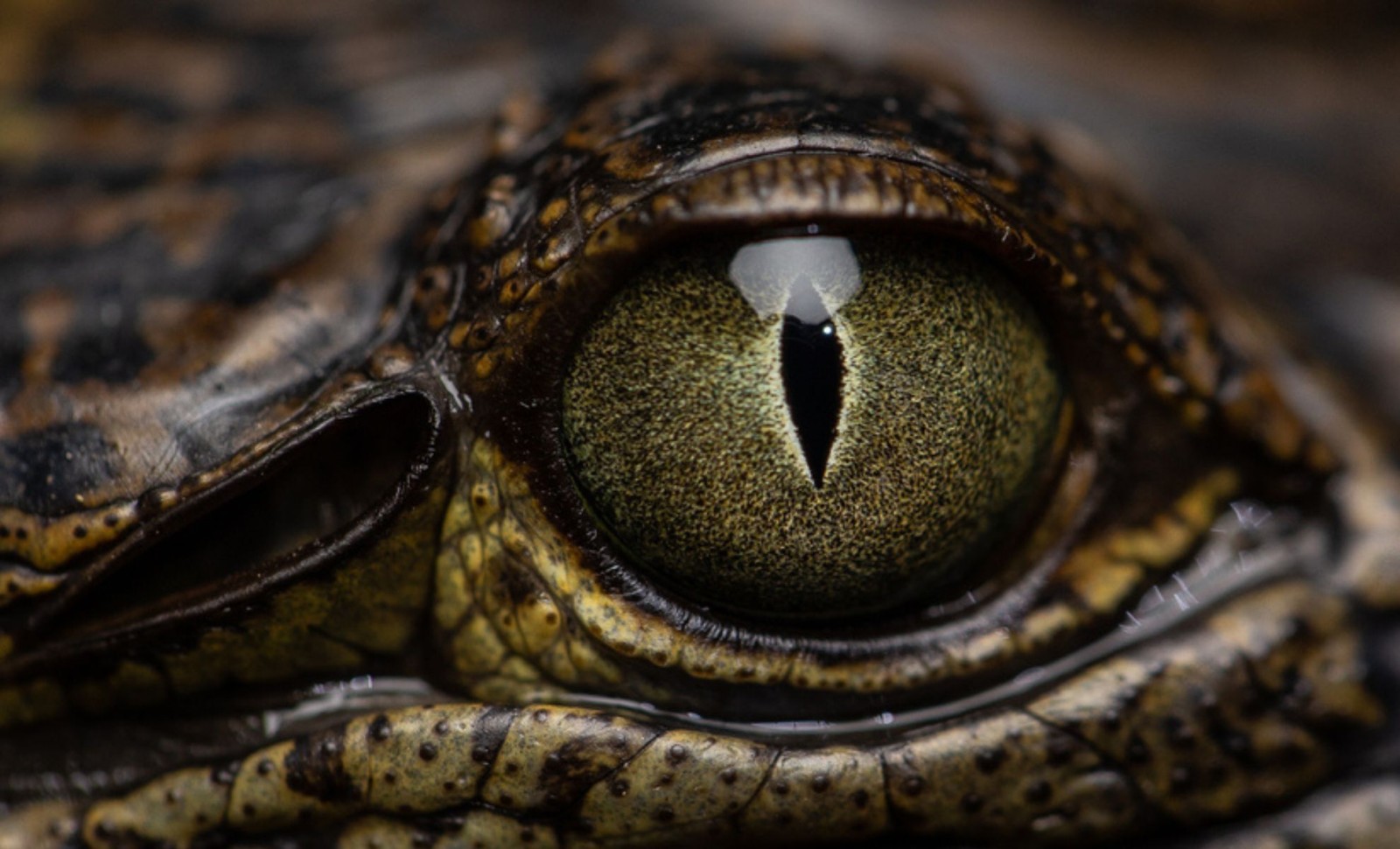
A striking snake characterized by its glossy black skin and large dark eyes has been officially recognized as a new species from Misima Island, Papua New Guinea. This reptile, named Dendrelaphis atra, was identified during a reptile biodiversity survey in Milne Bay Province, an area renowned for its numerous endemic species.
The formal description appeared in an April 2025 article in the peer-reviewed journal Zootaxa. The study was conducted by Fred Kraus, a herpetologist affiliated with the University of Michigan, who detailed four previously unrecorded tree snake species, each confined to a distinct island within the Louisiade Archipelago.
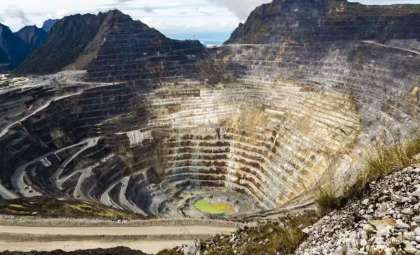
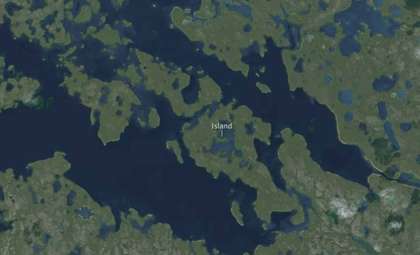
Misima Island, the initial site of discovery for D. atra, has been impacted by commercial gold mining and other land uses over the past century. Despite this, the island continues to support distinctive fauna, highlighting the incomplete documentation of its ecological diversity.

Unique Features and Coloration of the New Snake
The newly classified Dendrelaphis atra is part of an arboreal group of safe-to-handle colubrid snakes found throughout Southeast Asia and northern Australasia. What makes this species stand out is its predominantly black adult coloration, paired with a sleek, slender body and notably large black eyes.
This snake undergoes ontogenetic melanisation, meaning its color darkens as it matures—from a light grey-brown in juveniles to a deep black in adults. Such extensive dark pigmentation is rare among related snakes and may relate to its specific habitat or behavioral adaptations, though more studies are needed to clarify its ecological significance.
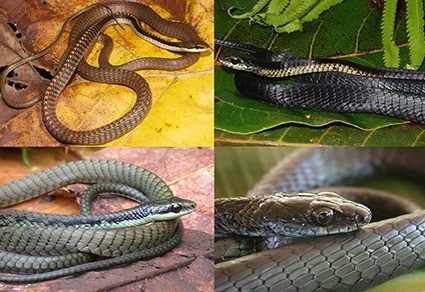
Initial specimens were found within an old mining area on Misima Island and subsequently observed in forested ridges and human-modified environments like village gardens. This suggests that D. atra might possess greater habitat adaptability than some other local endemic reptiles.
The species name originates from the Latin term ater, meaning black. Comparative morphological analysis presented in Zootaxa highlights distinct differences in scale arrangement, coloration, and geographic range between this snake and other Dendrelaphis species.
Biodiversity and Endemism in Island Ecosystems
Milne Bay Province hosts exceptional levels of species unique to the area, especially among reptiles and amphibians. Situated in southeastern Papua New Guinea, the region encompasses numerous islands that remain ecologically isolated, fostering speciation as populations evolve independently over time.
The identification of D. atra, alongside three other novel Dendrelaphis species from Rossel, Sudest, and Woodlark Islands, reinforces this evolutionary trend. Each snake is currently documented only on its respective island and was discovered in habitats that had seen minimal herpetological investigation.
Although Papua New Guinea ranks among the world’s most biologically diverse nations, vast areas lack comprehensive wildlife surveys due to factors like challenging terrain, sparse populations, and limited scientific infrastructure.
The Louisiade Archipelago remains particularly underrepresented in global biodiversity datasets. Kraus’s 2025 research builds on earlier efforts to map the reptiles of this area, enriching knowledge of island biodiversity in the South Pacific.
Conservation and Future Research Prospects
The discovery of D. atra in both pristine and altered habitats prompts questions about its population resilience and conservation status. With the species newly described, no current data exists about its population size, density, or long-term survival prospects, complicating risk assessments related to habitat changes or climate effects.
Given ongoing interest in reactivating mining activities on Misima Island since the early 2000s, detecting species in post-mining areas could provide important insights for environmental impact evaluations linked to future development plans.
This finding also highlights the value of careful morphological fieldwork in species identification. Even as genetic techniques become more common in taxonomy, the recognition of D. atra depended chiefly on direct observation and physical feature comparisons.
More broadly, the discovery supports scientific calls for expanding biodiversity surveys in tropical regions. Targeted expedition work in island habitats—even those with prior human disturbance—continues to reveal previously undocumented species.
- Categories:
- News



0 comments
Sign in to Comment