
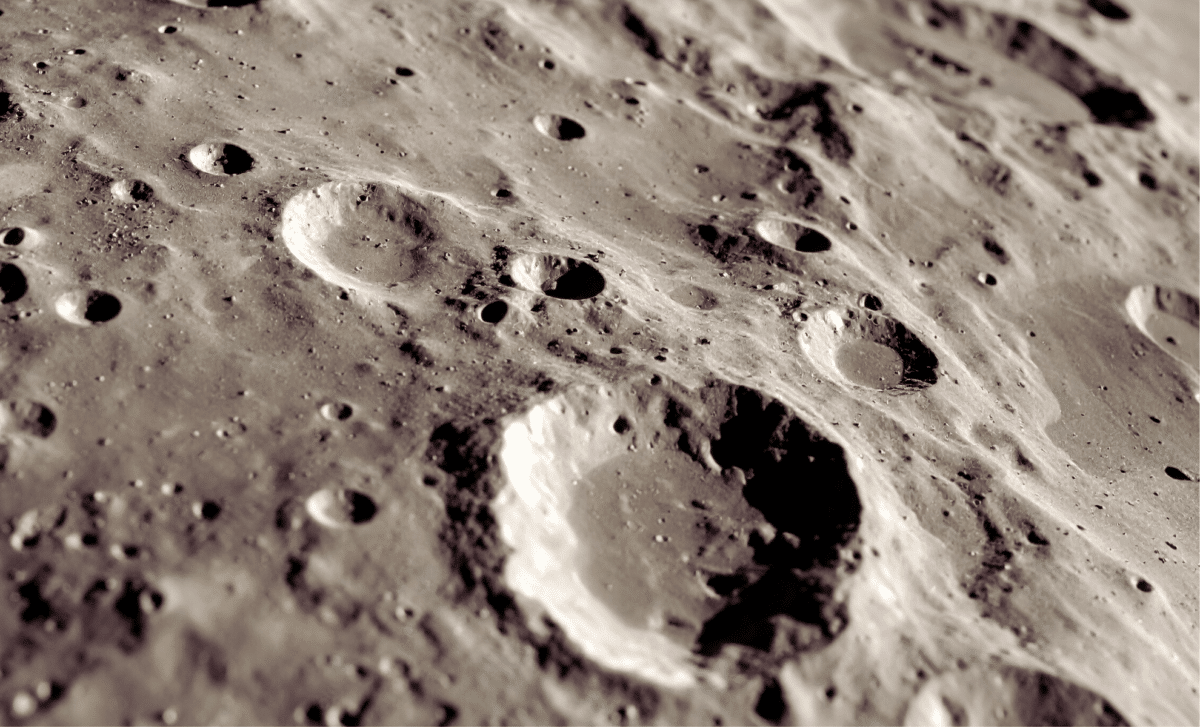
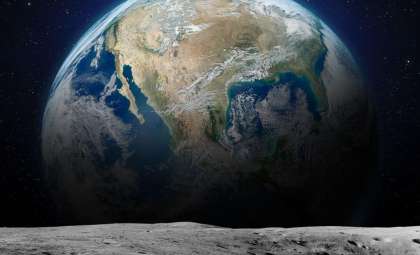
Scientists have long believed that the Moon’s permanently shadowed craters could store frozen water, an essential resource for future space missions. These sunless, frigid pits near the lunar poles were thought to be natural cold traps preserving ice for billions of years. However, recent research published in Science Advances challenges this assumption, revealing little evidence of extensive ice on the lunar surface and casting uncertainty on resource availability for upcoming lunar exploration.
Unveiling the Search for Moon’s Ice Reserves
Deep craters at the Moon’s poles, known as permanently shadowed regions (PSRs), have been prime candidates for holding ice deposits. Without an atmosphere, these areas remain extremely cold, potentially safeguarding water ice critical for providing drinking water, breathable oxygen, and rocket fuel for astronauts. Scientists have relied on the distinctive way ice reflects and scatters light to detect its presence amidst the lunar soil, or regolith. High-resolution imaging would reveal these reflective differences if large ice deposits existed.
Insights from ShadowCam on the Korea Pathfinder Lunar Orbiter
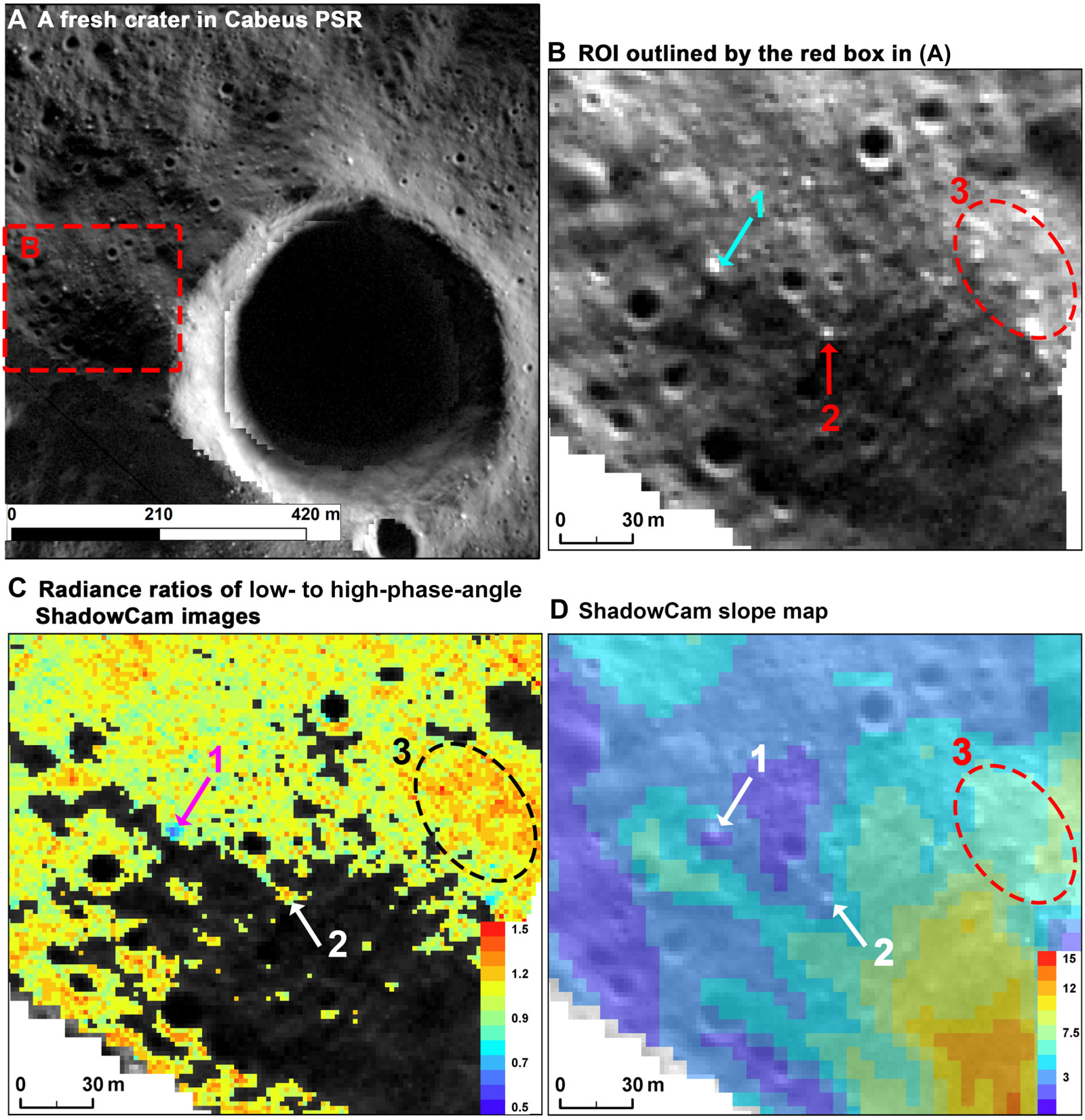
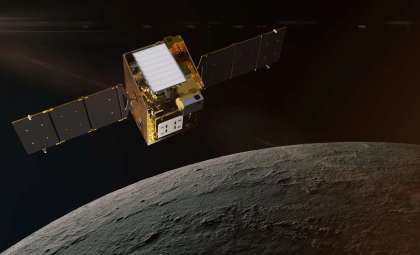
In this recent analysis published in Science Advances, Shuai Li and colleagues from the University of Hawaii at Manoa utilized data from ShadowCam, a high-resolution visible-light camera aboard the Korea Pathfinder Lunar Orbiter. ShadowCam’s sensitive imaging allowed the team to study the reflectance and scattering behavior of the lunar surface to identify indications of water ice.

Though it was expected that lunar ice might mix with surrounding soil—diluting its purity—the team anticipated spotting optical signatures from ice-containing mixtures at concentrations as low as 20-30%. Such mixtures would show distinct reflection and scattering characteristics compared to pure rock.
Unexpected Findings: Large Ice Deposits Not Confirmed
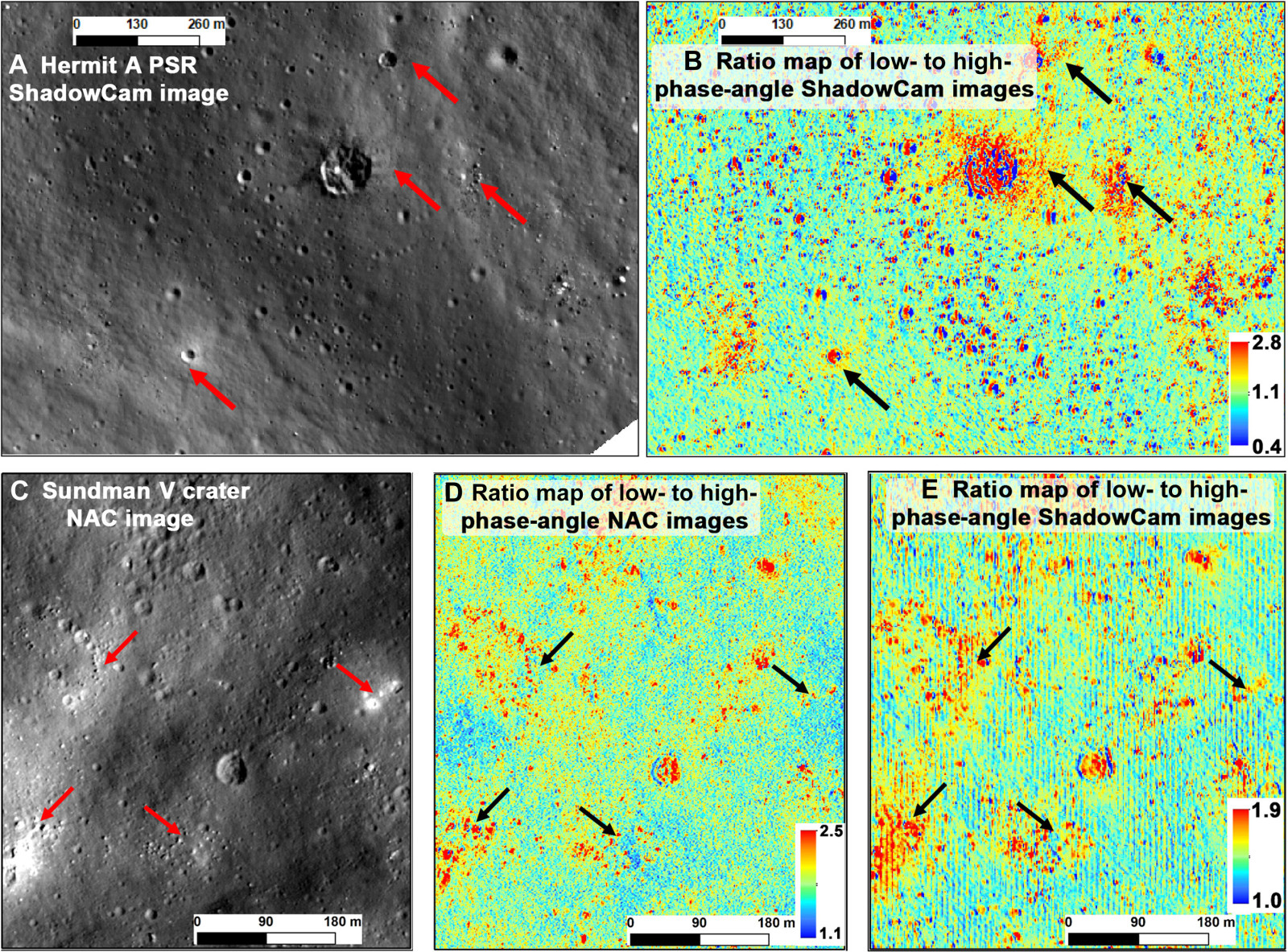
The findings defied expectations: researchers found no strong evidence supporting the existence of significant water ice concentrations within the examined lunar shadow regions. Even at the minimum 20-30% ice concentration level, commonly considered detectable, no unambiguous signals appeared, casting doubt on the idea that these craters harbor rich ice reserves.
The absence of detected large quantities of ice doesn’t entirely exclude smaller amounts. The study suggests trace levels below current detection capabilities may exist. Some observations hinted at mixtures containing under 10% ice, but these fall short of confirmation thresholds.
Impact on Future Moon Missions
This discovery has important consequences for upcoming lunar expeditions. Without abundant ice to exploit in PSRs, plans relying on local water for life support or fuel production will require reevaluation.
Nonetheless, minimal water ice may still reside within the lunar soil, potentially discoverable with more sensitive instruments in forthcoming missions. Li’s team aims to refine detection technologies to reveal even 1% ice concentrations, which, though small, could shed light on lunar history and support human exploration efforts.
- Categories:
- Astronomy







0 comments
Sign in to Comment