
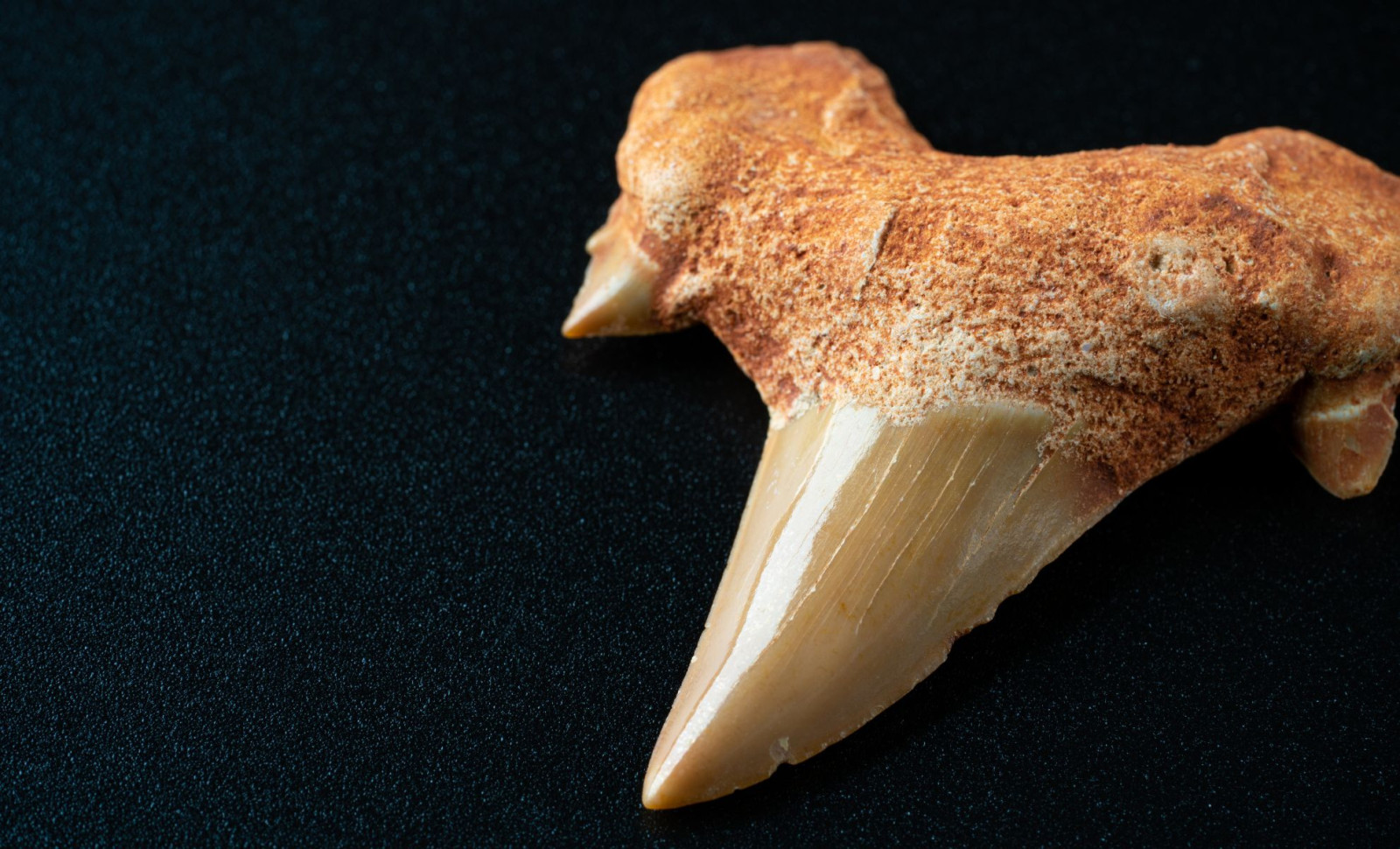
A recently analyzed collection of fossilized teeth from southern China is offering fresh perspectives on a crucial chapter in Earth’s evolutionary history. Scientists examined 200 teeth belonging to 37 early mammal species, discovering that the initial evolutionary step involved an increase in tooth size before the emergence of specialized dental traits that later enabled dietary diversification.
Following the extinction of dinosaurs 66 million years ago, mammals encountered a drastically changed environment brimming with new ecological roles. Although this period marks the dawn of the Age of Mammals, the fossil record—especially from regions beyond North America—remains scarce for those early millions of years.
A recent paper published in eLife addresses this knowledge gap. Scientists studied fossils excavated from the Nanxiong, Qianshan, and Chijiang basins in southern China, all dating back to the Paleocene Epoch, spanning the first 10 million years post the end-Cretaceous extinction.

Initial Growth in Tooth Size Preceded Specialization
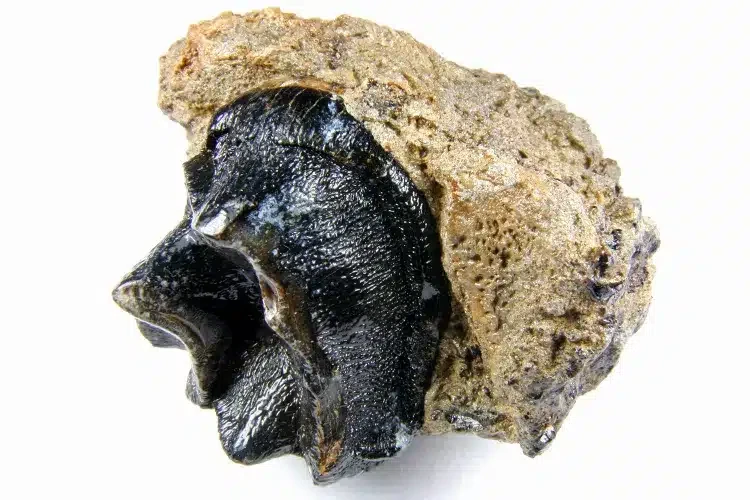
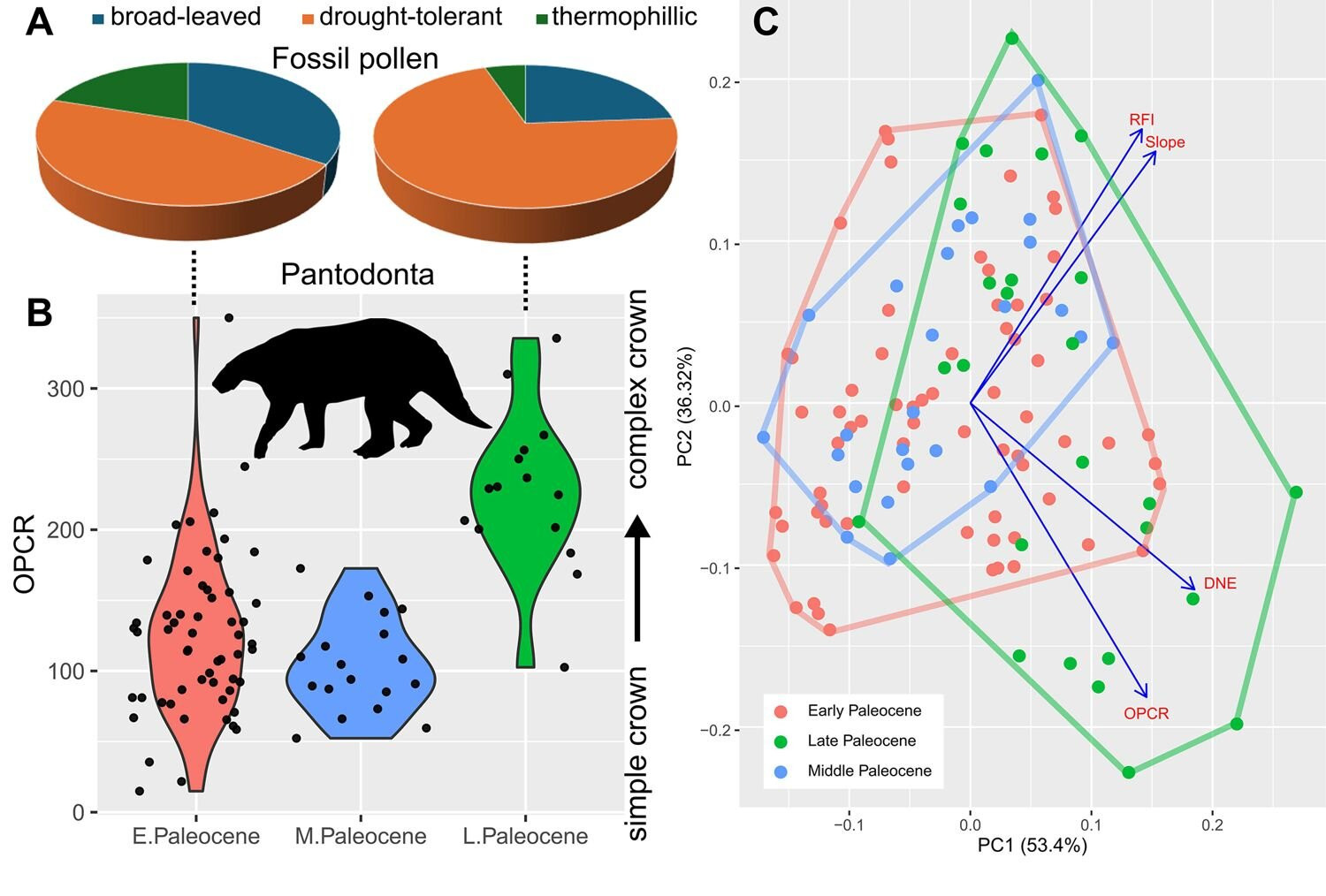
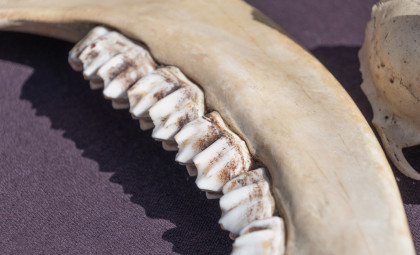
Contrary to instantly developing complex teeth, early mammals appear to have gradually evolved. Employing high-resolution 3D modeling, the team observed that the earliest placental mammals initially developed relatively large but simply shaped teeth that showed limited variation.
Only later did more intricate dental adaptations evolve, broadening the range of diets these mammals could exploit as they entered diverse ecological niches.

The study characterizes this trend as “strength before specialization.” Instead of immediately becoming dietary specialists after the extinction event, mammals first increased their tooth size and only gradually refined their dental functions over millions of years.
“The fact that teeth interact directly with the environment through biting and chewing behaviours makes them crucial in helping us identify potential links between their structure and ecological context,” co-author Qian Li of the Chinese Academy of Sciences said in a statement.
Insights Into Asia's Mammalian Origins
The results highlight how little is known about mammal evolution’s earliest phases outside of North America. Lead author Jack Tseng, an associate professor at the University of California, Berkeley, emphasized that fossil evidence from the initial 10 million years of the Age of Mammals is predominantly from North America, with only 3% of fossil sites from this era located in Asia.
Environmental Influence on Tooth Development
The evolution of mammalian teeth also corresponded with environmental transformations. Researchers observed that as drought-resistant plants became more prevalent throughout southern China, mammalian teeth developed increased complexity and curvature. Co-author Suyin Ting remarked that:
“As ecosystems recovered and transformed following the end-Cretaceous period, so did tooth shape and function, which indicates changing evolutionary pressures and ecological opportunities.”
This “strength before specialization” pattern has been observed in ancient mammals from North America and Europe as well, indicating it was a widespread evolutionary strategy.
“Our work provides initial insights into the changes that occurred in placental mammals outside of North America after the end-Cretaceous Period, and unearths opportunities for further research to explore some of these associations in more detail,” said Tseng, adding that: “We hope the insights will be useful for developing predictive models and conservation strategies aimed at understanding how modern animals could respond to biodiversity crises in future.”
- Categories:
- Science








0 comments
Sign in to Comment