
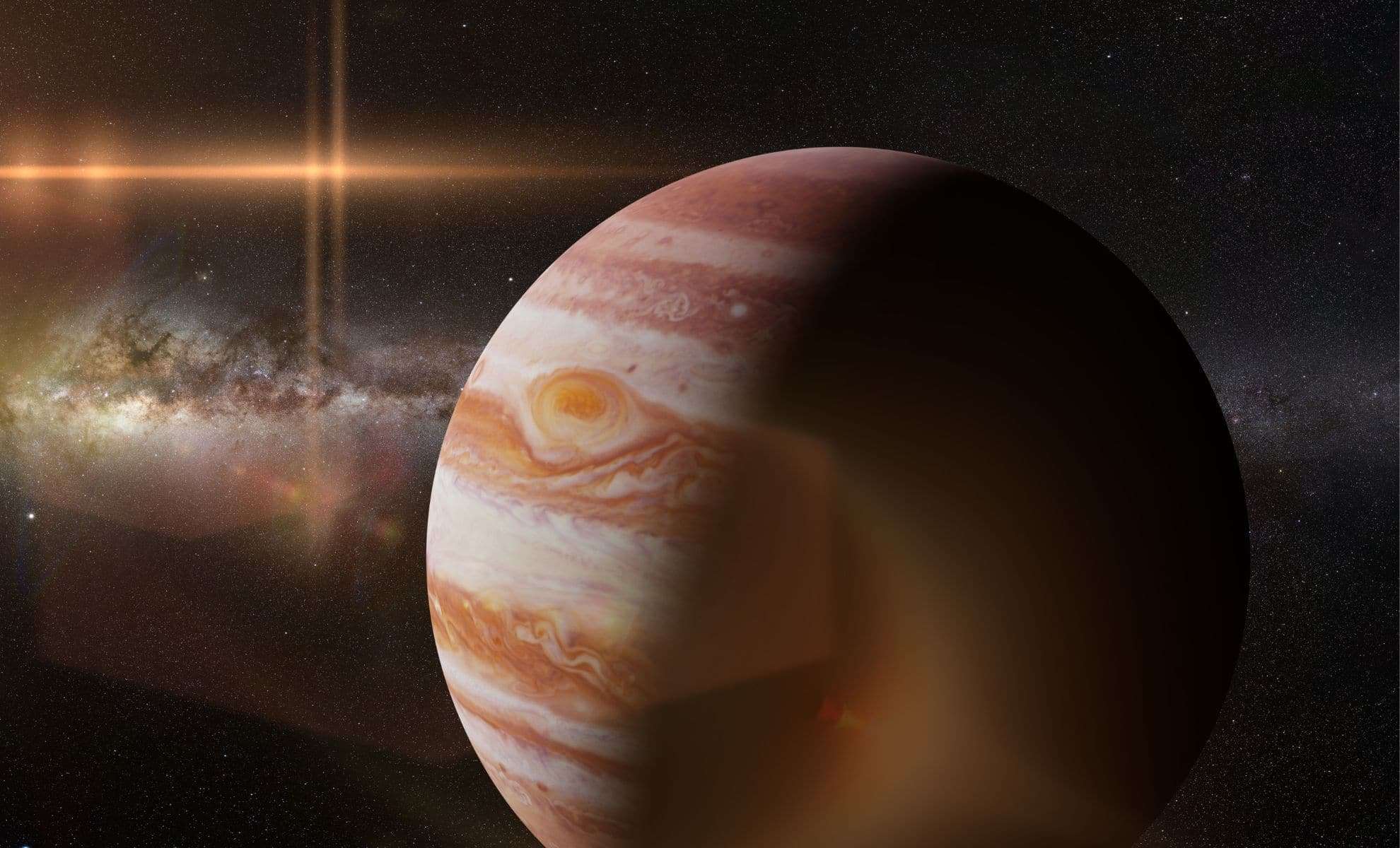
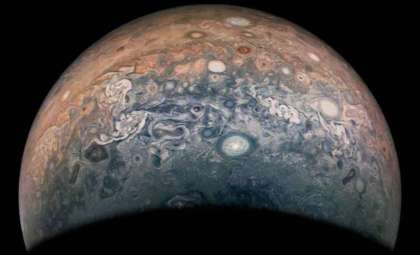
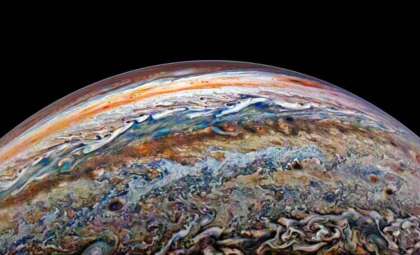
NASA’s Juno mission has uncovered a groundbreaking discovery: a completely novel plasma wave near Jupiter. These waves are unlike any previously recorded in space and offer fresh perspectives on Jupiter’s enigmatic auroral plasma activity. Researchers believe these waves are integral to the extraordinary auroras that illuminate the gas giant’s poles, broadening our comprehension of the intricate plasma environment enveloping the planet.
Detecting a Unique Plasma Wave Phenomenon
Jupiter, known for its immense magnetic field and vibrant plasma dynamics, continues to captivate the scientific community. The giant planet’s stunning auroral lights around its poles have become a major focus of detailed investigation. While Earth experiences auroras, Jupiter’s versions are far more intense and shaped by its powerful magnetic and plasma surroundings.
Robert Lysak from the University of Minnesota and his team, who specialize in auroral phenomena, made an unprecedented finding. They identified a completely new form of oscillation in the plasma near Jupiter’s poles. These distinctive waves reflect previously unknown patterns of motion in the charged particles and atoms circling the planet.

The Crucial Role of Juno in This Breakthrough
Since arriving in orbit around Jupiter in 2016, NASA’s Juno spacecraft has been instrumental in providing high-quality data. Outfitted with advanced sensors, Juno has extensively measured the planet’s magnetic influences and plasma environment. Through analysis of this data, Lysak’s group detected an unusual wave behavior in the polar plasma.
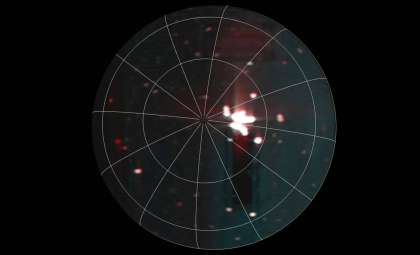
Examining ultraviolet emissions near the poles—a critical component of Jupiter’s auroras—they discovered plasma oscillations occurring in a wave pattern previously unknown. This distinct type of plasma wave unlocks new avenues for exploring the interactions between Jupiter’s intense magnetosphere and its surrounding plasma.
Significance of the Discovery
Identifying this novel plasma wave marks more than a scientific milestone; it represents a crucial advancement in understanding space weather phenomena. Jupiter’s auroras rank among the most intense in our solar system, and unraveling the forces that shape them could inform studies of other planets with strong magnetic fields, such as Saturn and Uranus.
Additionally, this finding enriches our grasp of space plasmas—a fundamental cosmic component influencing everything from solar wind to star activity. As Robert Lysak stated, “cutting off the mission when it is getting its best data would be a real tragedy for our field.”
Studying plasma waves at Jupiter also sheds light on the workings of Earth’s magnetic environment and auroras, revealing connections between these two worlds that scientists are only beginning to comprehend.
- Categories:
- News




0 comments
Sign in to Comment