
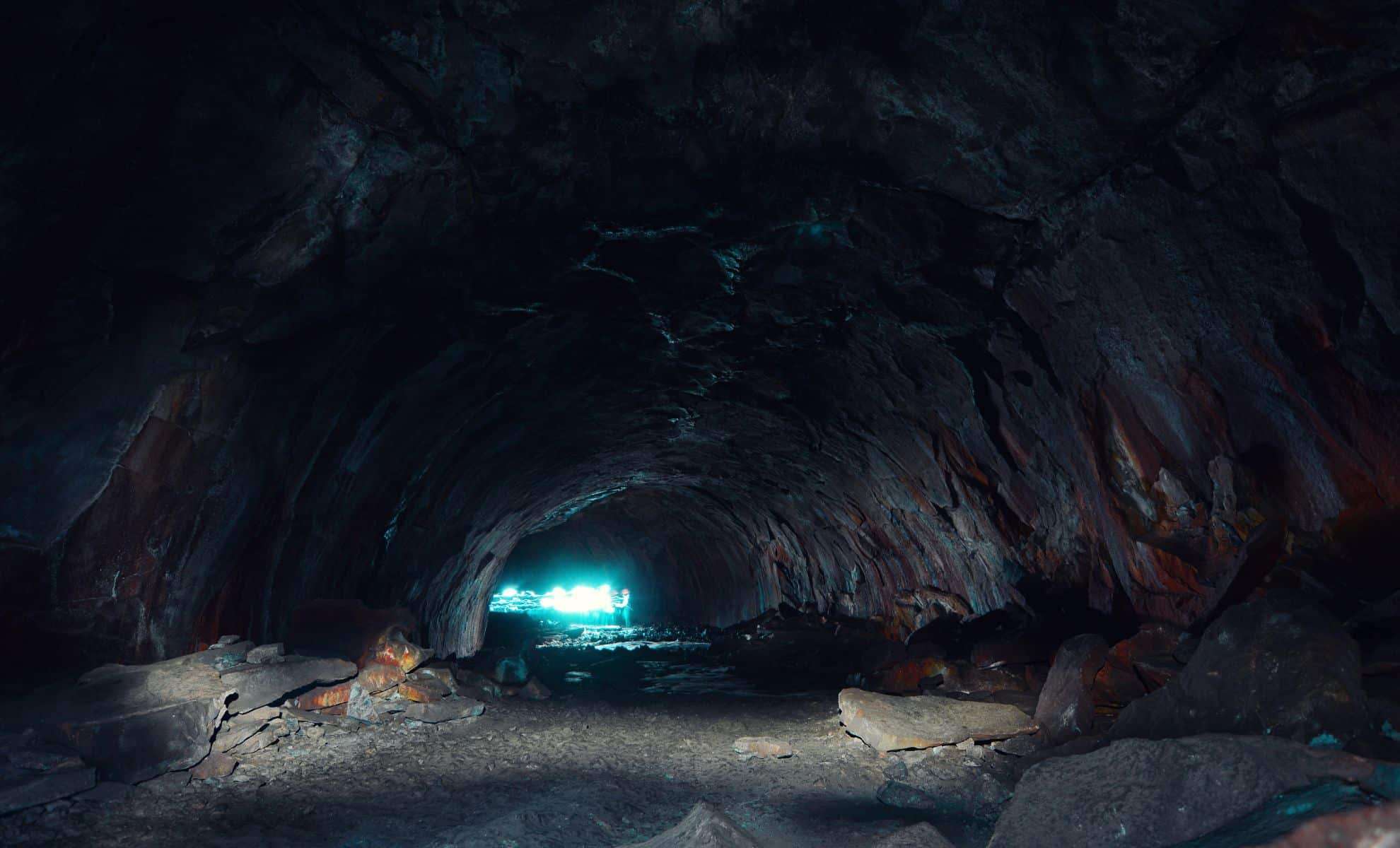
Researchers have identified a previously unknown species of extinct shark concealed in the vast tunnels of Mammoth Cave in Kentucky, renowned as the world’s lengthiest cave system. This finding appears in the NPS Paleontological Resource Inventory report dedicated to Mammoth Cave National Park.
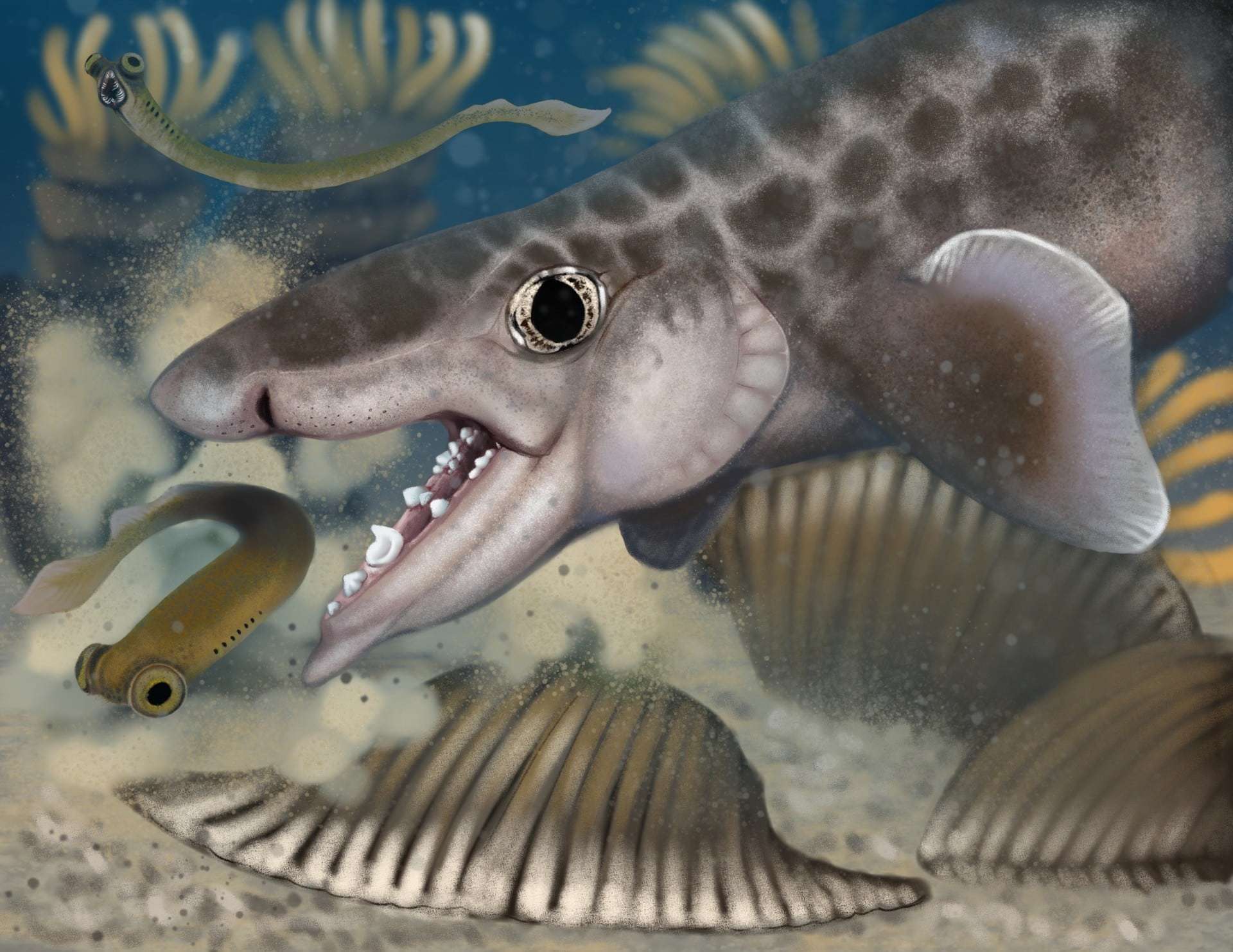
Dubbed Macadens olsoni, this shark was remarkably small, measuring less than a foot in total length. Despite its size, its fossil presents an extraordinary dental pattern that distinguishes it from other known shark species.
A Truly Unique Shark
In contrast to typical sharks, Macadens olsoni displayed a singular dental arrangement: one row of teeth along each side of the jaw accompanied by three prominent teeth at the forefront. This configuration, called a “tooth whorl,” likely functioned to crush soft small prey like worms and mollusks.

The specimen emerged from the Ste. Genevieve Formation, a geological stratum dating roughly between 340 and 335 million years ago. Back then, the region now occupied by Mammoth Cave was underwater, hosting a vibrant marine environment rich in life. The shark’s remains alongside fossilized corals and crinoids offer insights into an ancient, biodiverse ecosystem.
Remembering the Cave’s Scientific Importance
Barclay Trimble, Superintendent of Mammoth Cave National Park, described the discovery as “a significant contribution to our comprehension of ancient marine fauna,” emphasizing its role in highlighting “the value of conserving and investigating our natural heritage.” He added that every fossil discovery enriches a much larger narrative connecting Earth's distant past with the present day, fostering curiosity and scientific exploration.
The breakthrough was achieved through a collaborative effort among the National Park Service Paleontology Program, Mammoth Cave National Park, and paleobiologists from the Smithsonian Institution. Their painstaking study of rock layers and fossil collections revealed the defining traits setting this species apart, showcasing the often unsung dedication involved in paleontological research that shapes our understanding of prehistory.
A Fresh Look at an Old Fossil
In parallel, scientists reassessed a shark fossil initially identified as Helodus coxanus. After closer examination, it was reclassified as Rotuladens, named for its rounded, wheel-like teeth. Both Macadens olsoni and Rotuladens share close similarities, suggesting a wider variety of small, specialized sharks thrived in ancient shallow seas.
This discovery adds to growing evidence revealing that early sharks exhibited vast diversity, with many species evolving unique features to adapt to various ecological roles and prey types.
Insights into Prehistoric Ocean Life
Fossils from the ancient Ste. Genevieve Formation continue to shed light on marine ecosystems over 335 million years ago. Among these ancient creatures, the petite Macadens olsoni provides an intriguing perspective—not as a dominant predator but as a specialized shark adapted to a unique ecological niche.
Reflecting on the significance of the find, Superintendent Trimble noted, “This discovery deepens our understanding of ancient marine environments and underscores the critical importance of paleontological work conducted within our national parks.” Each fossil uncovered at places like Mammoth Cave helps scientists reconstruct a more detailed vision of Earth’s earliest ocean worlds.
- Categories:
- News







0 comments
Sign in to Comment