
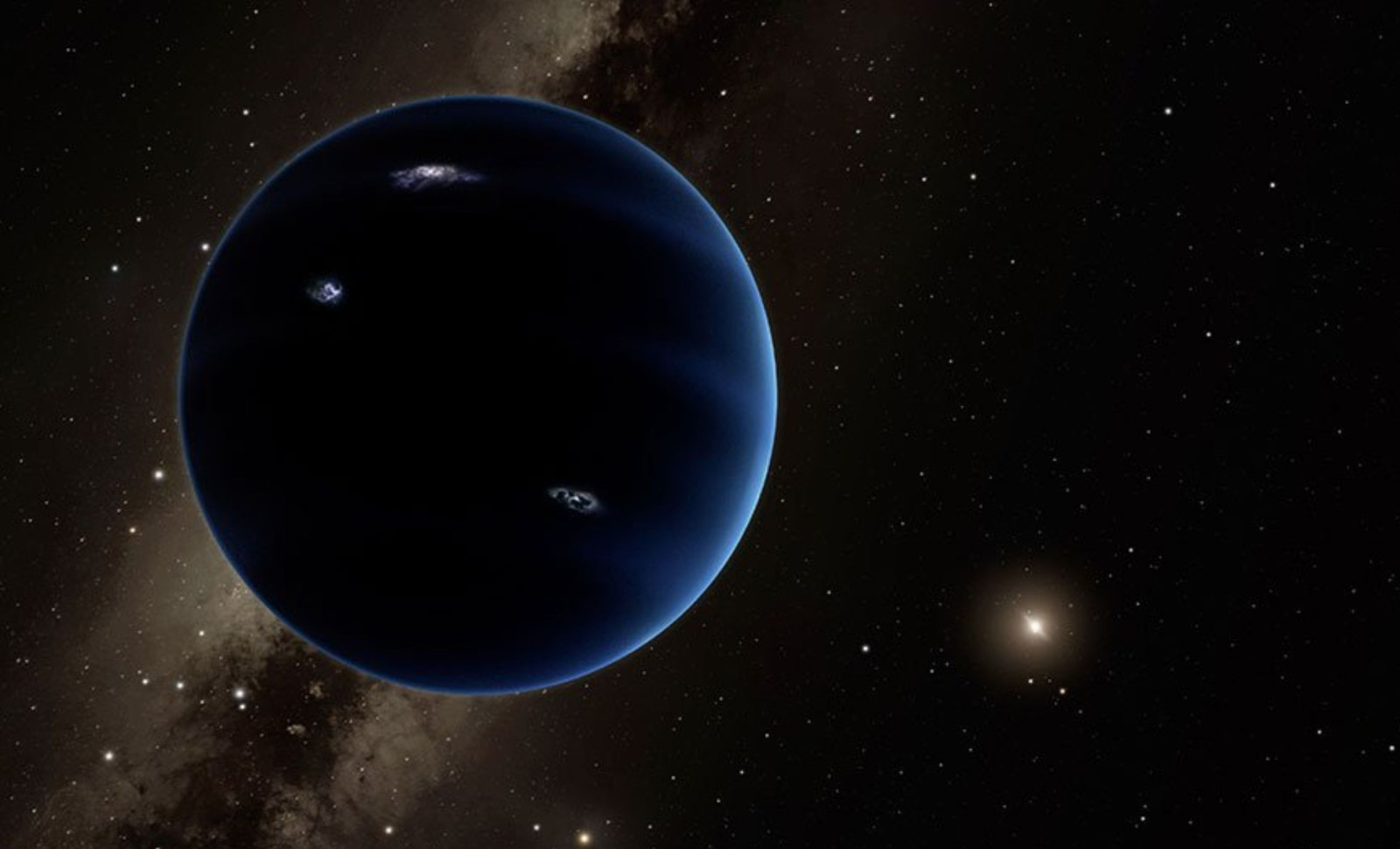
New research published in 2024 strengthens the hypothesis that a massive, hidden planet lies far beyond Neptune. By analyzing the trajectories of remote celestial bodies, astronomers present their most convincing statistical support to date for Planet Nine. The planet itself remains unseen, adding complexity to the investigation.
Historically, planet discoveries in our solar system relied mainly on direct sightings. This was how planets like Mars and Jupiter were initially identified. The discovery of Neptune was a turning point, made possible by predicting its presence from irregularities in Uranus’s orbit before being directly observed.
In modern times, astronomers frequently detect exoplanets via indirect methods such as monitoring stellar brightness dips or star movements. According to the study, it is now comparatively easier to identify planets orbiting distant stars than to find faint signals of undiscovered planets inside our own solar system.

Unusual Orbital Patterns Suggest Gravitational Influence
The research centers on objects with long orbital periods that traverse Neptune’s orbital path. Published in The Astrophysical Journal Letters, the findings reveal these bodies do not follow random trajectories; instead, their orbits cluster in a way consistent with a shared gravitational force.
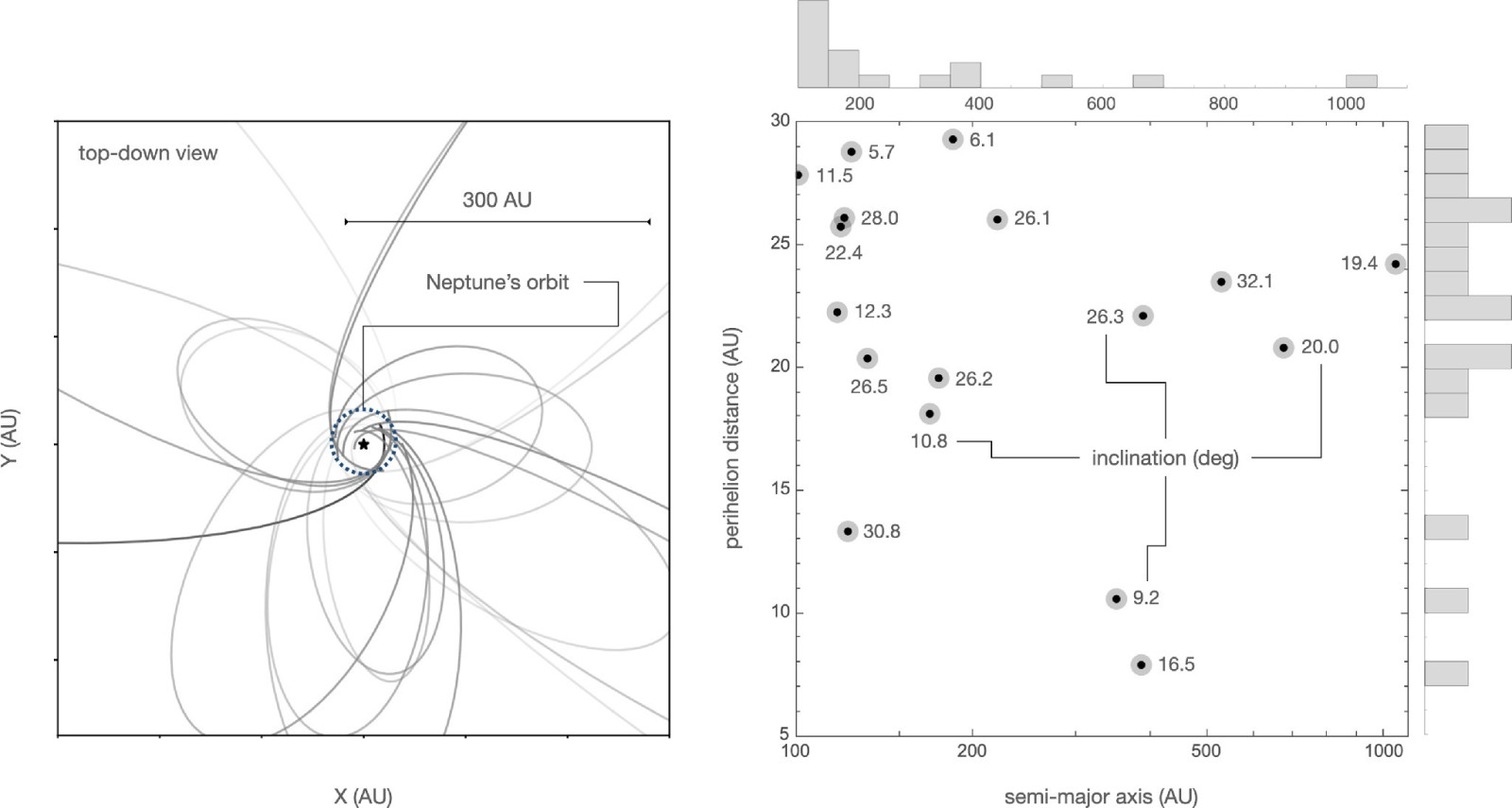
This builds on prior studies, such as the 2016 research at Caltech, which identified a common alignment among six remote objects. The team proposed that an unseen giant planet’s gravitational pull could be orchestrating their path.
“Previous analyses have shown how orbital evolution induced by this object can explain the origins of a broad assortment of exotic orbits, ranging from those characterized by high perihelia to those with extreme inclinations,” noted the study team.
Simulations Reproduce Observed Orbital Behaviors
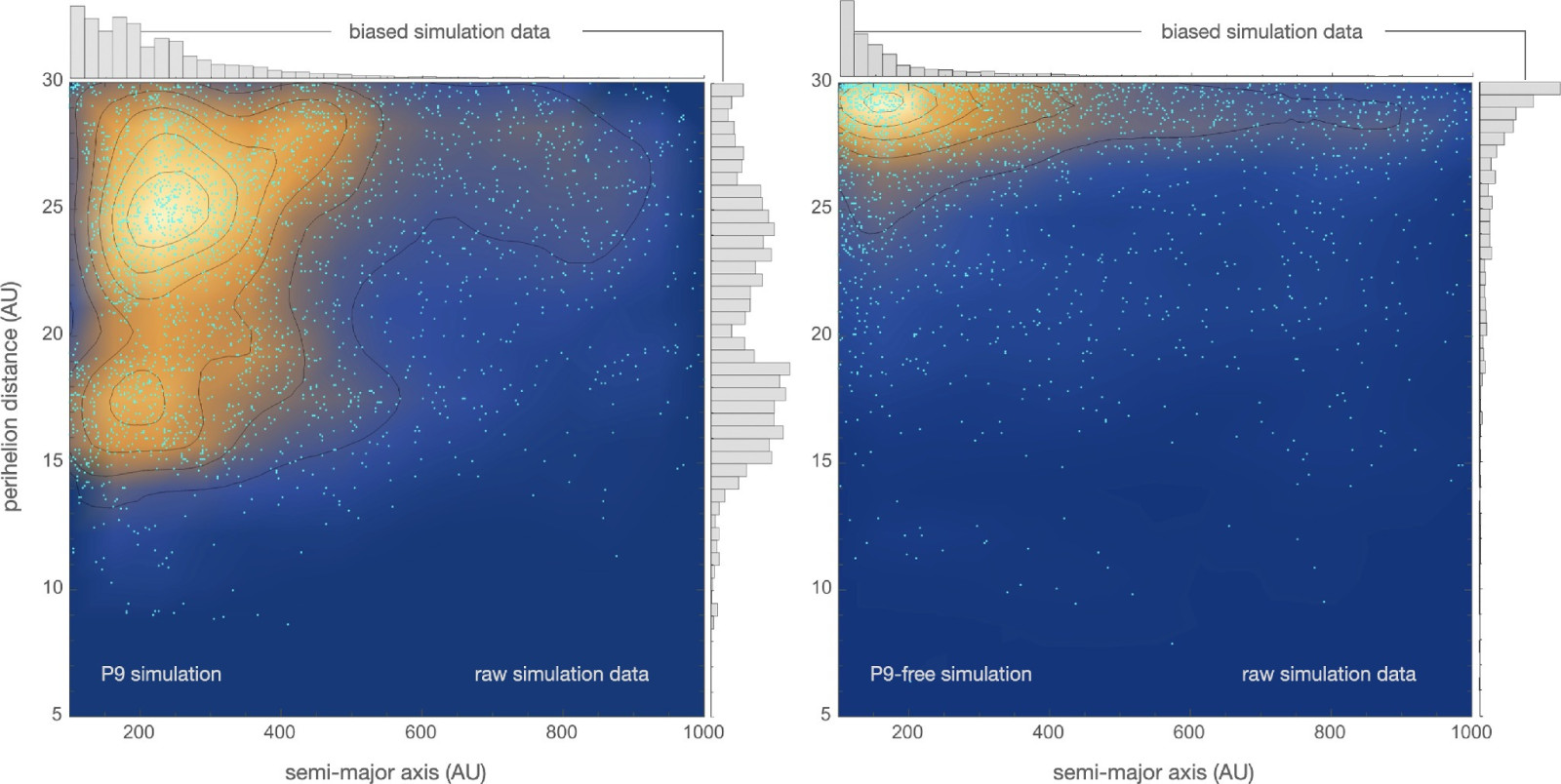
Researchers conducted simulations incorporating influences like galactic tides and stellar encounters. The paper notes that models without the presence of a ninth planet fail to explain the observed orbital configurations.
When including a substantial body beyond Neptune, their simulations aligned far better with the actual data. Studied objects have perihelion distances roughly ranging from 15 to 30 astronomical units, placing them in a zone where gravitational forces can significantly impact their orbits.
New Observations Could Provide Definitive Evidence
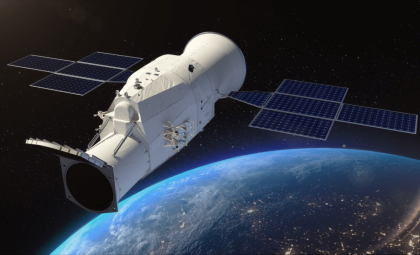
The research stops short of pinpointing Planet Nine’s exact location, a major hurdle for confirming its reality. Scientists emphasize that further data collection is essential. Focus is shifting toward the Vera Rubin Observatory for this purpose. Authors highlight that:
“Excitingly, the dynamics described here, along with all other lines of evidence for Planet 9, will soon face a rigorous test with the operational commencement of the Vera Rubin Observatory,” they concluded. “This upcoming phase of exploration promises to provide critical insights into the mysteries of our solar system’s outer reaches.”
- Categories:
- Space



0 comments
Sign in to Comment