
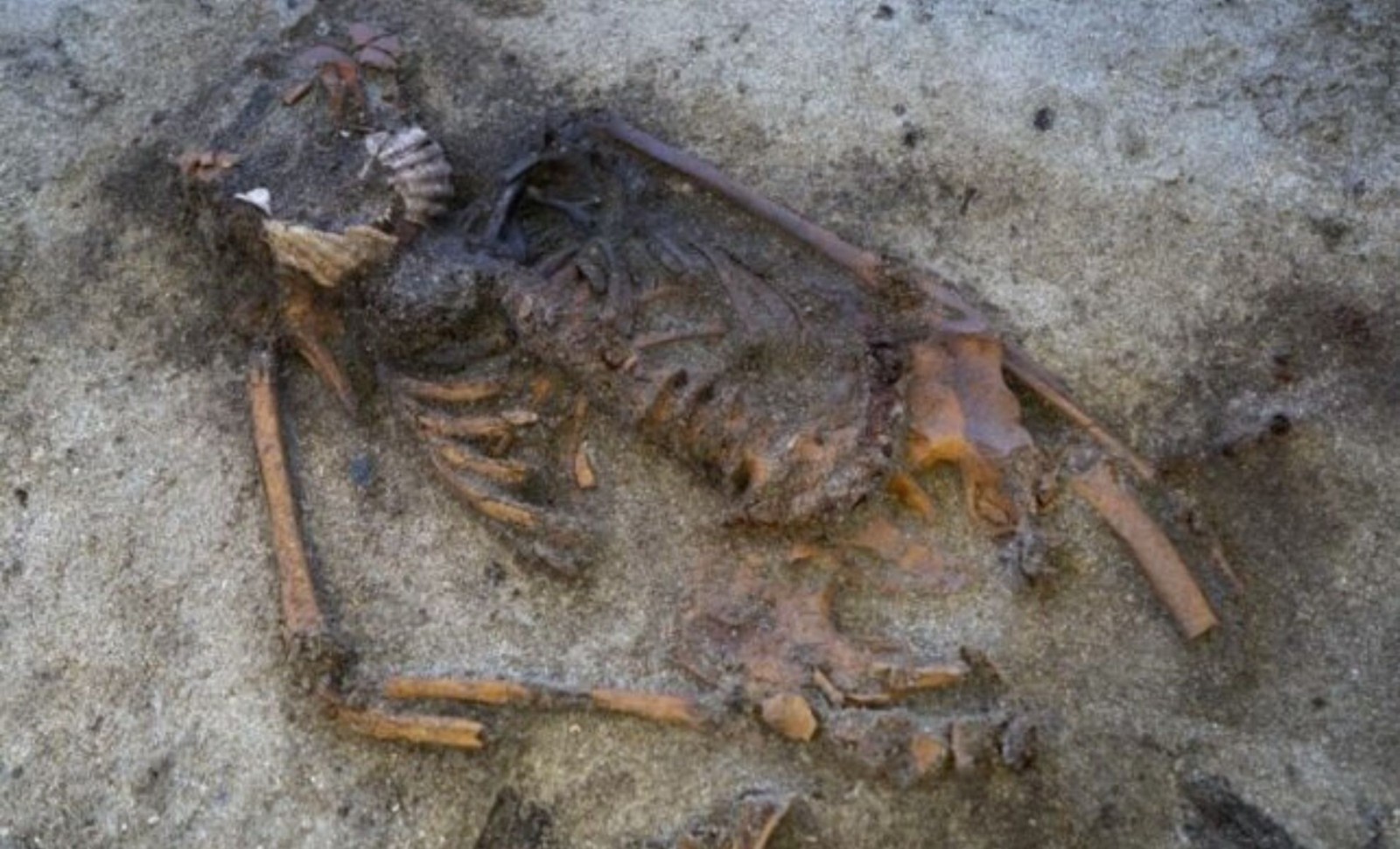
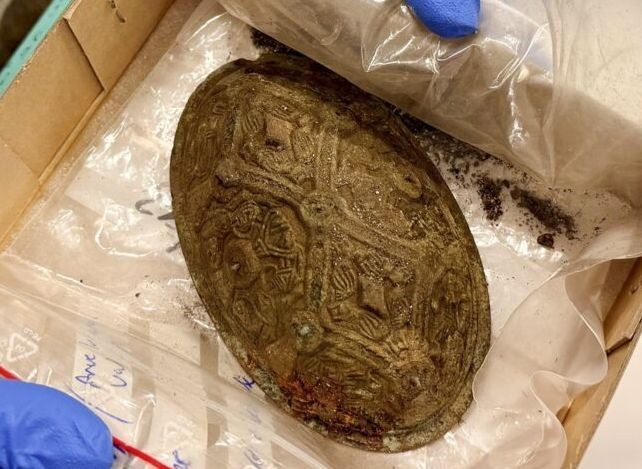
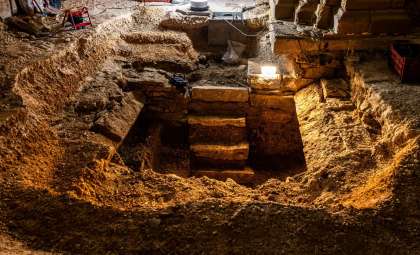
An extraordinary Viking-era tomb uncovered in Trøndelag, Norway, has intrigued scholars due to its distinctive contents. Most notably, archaeologists were puzzled by the presence of two scallop shells positioned near the mouth of the deceased woman, a detail not previously recorded in Viking burials. The find was initially made by metal detectorist Roy Søreng, who discovered a bronze brooch characteristic of the Viking period.
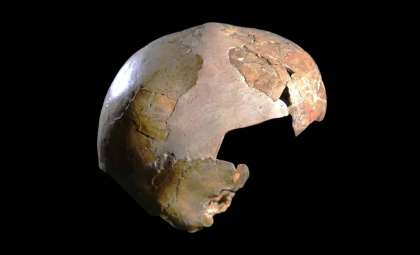
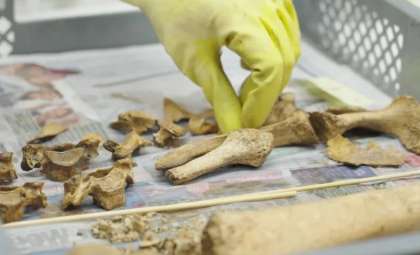
Researchers from the Norwegian University of Science and Technology (NTNU) promptly joined the excavation, unearthing the remains of a woman believed to date back to the 9th century. Considering Norway’s acidic soil typically accelerates organic decay, the remarkably preserved state of this grave is considered an exceptional archaeological treasure.
The Enigmatic Symbolism of Scallop Shells in Viking Burial
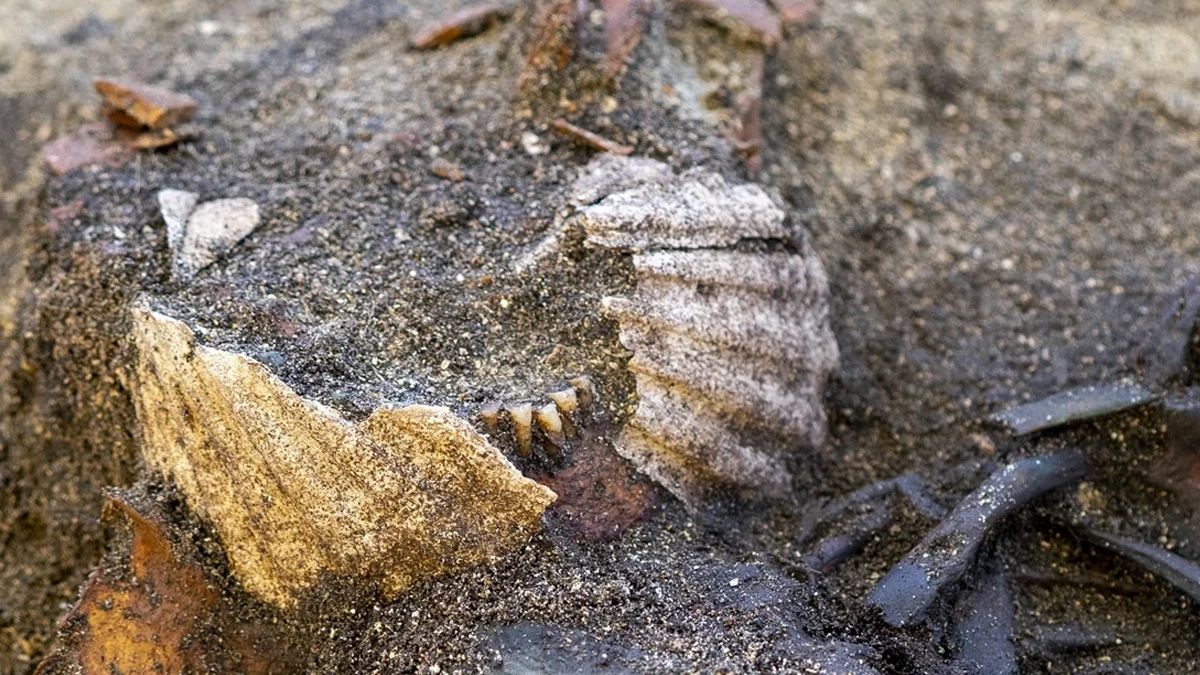
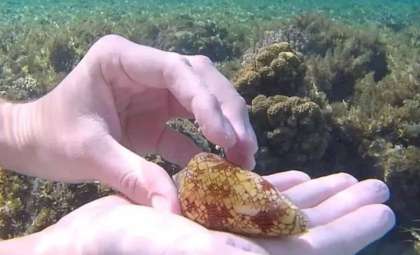
Raymond Sauvage, an archaeologist at NTNU and lead engineer at the Department of Archaeology and Cultural History, described how the shells were arranged with their outer surfaces facing outward and their hinge lines aligned with the woman’s cheekbones.

“The most remarkable thing is two scallop shells placed at the dead woman’s mouth. This is a practice that is not previously known from pre-Christian graves in Norway. We don’t yet know what the symbolism means,” he explained.
This configuration is highly atypical and has no prior equivalent in Viking burial traditions. Although scallop shells have held symbolic meanings in various historical cultures—such as fertility in Ancient Rome and Greece—they have not been linked to Viking funerary customs.
Exceptionally Intact Viking Remains Reveal Insights
This burial's preservation is crucial, as Viking graves in Norway often suffer from poor condition due to soil acidity. The extraordinary conservation has enabled archaeologists to identify a range of artifacts including two oval-shaped brooches and a distinctive ring buckle. According to the NTNU University Museum, these items are typical accessories worn by Viking women of the 9th century.
“The Viking Age grave contains what we believe to be a woman, buried with a typical Viking Age costume and jewelry set from the 800s. This indicates that she was a free and probably married woman, perhaps the mistress of the farm,” he noted.
Unraveling Possible Links and Cultural Meanings
Sauvage pointed out that the assemblage of clothing and jewelry hints at an established female burial pattern in Viking Norway during this era. The presence of ordinary grave goods alongside the novel scallop shells underscores the diversity and complexity of Viking funerary rituals, which still offer surprises to modern researchers.
This tomb is situated close to another Viking burial dating back to the 8th century. Archaeologists are undertaking additional studies such as DNA analysis and environmental assessments to delve deeper into the woman’s identity and investigate potential connections with other regional burials.
“We will examine the skeleton, preserve the objects, and take samples for dating and DNA analysis,” Sauvage explained. The goal is to learn more about the person and about possible kinship to the previous find from the same place.”
- Categories:
- News



0 comments
Sign in to Comment