

In 2025, the planet’s oceans surged to an unparalleled temperature milestone, soaking up an incredible 23 Zetta Joules of energy — an amount equivalent to the global energy consumption over 37 years. This alarming data highlights the relentless and accelerating increase in ocean heat, signaling worsening conditions within the global climate system. Oceans have been absorbing over 90% of the excess heat trapped by greenhouse gases, fueling some of the most severe weather patterns witnessed worldwide.
What consequences does this trend hold for Earth? Simply put, the effects are already underway, including intensified storms, climbing sea levels, and more frequent extreme climatic episodes.
Unmatched Ocean Heat in 2025
A newly published research featured in Advances in Atmospheric Sciences reveals that 2025 recorded the greatest ocean heat content since measurements began. This staggering statistic comes from collaboration among more than 50 international scientists who analyzed global datasets.

Remarkably, 2025 marks the ninth year running that ocean heat content has hit record highs. This consistent upward movement isn’t a coincidence but a clear continuation of a warming trend gaining momentum since the 1990s. Each year, the oceans absorb more heat, quietly but persistently transforming our planet. Though this heat may remain largely invisible, its impact is profound and far-reaching.
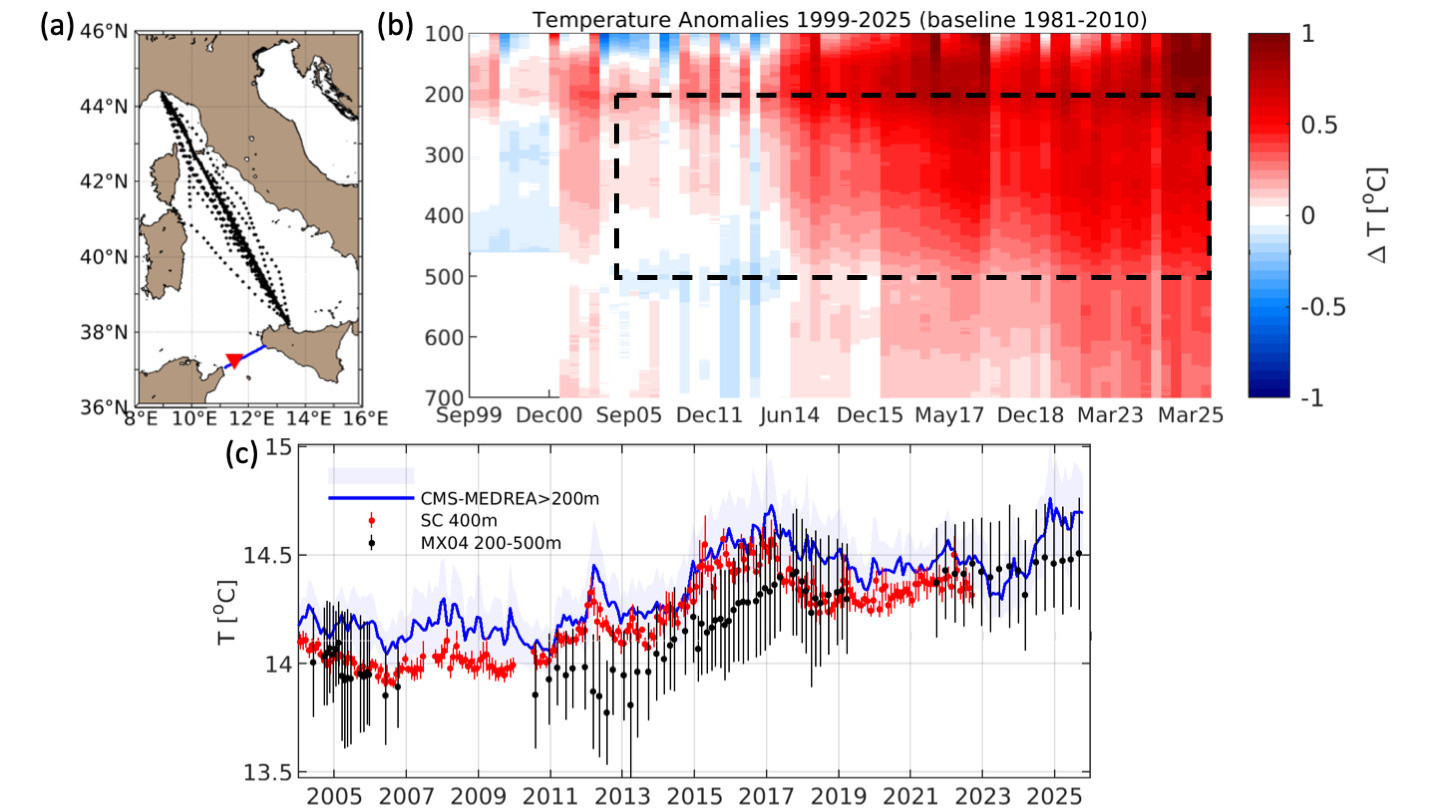
Unequal Ocean Warming Across Regions
Ocean temperatures are rising unevenly around the globe. In 2025, roughly 16% of the world’s ocean surface recorded its highest heat levels ever, while approximately 33% experienced their warmest years on record. Certain areas — including the tropics, South Atlantic, North Pacific, and Southern Ocean — are heating faster than others, disrupting weather dynamics. This uneven warming contributes to more erratic and intense weather events like powerful storms, heatwaves, and droughts.
The tropical ocean zones are notably vulnerable, as warmer waters there intensify storm activity. The extra heat enhances evaporation, fostering heavier rainfall and flooding, making hurricanes and tropical storms stronger and more dangerous.
In regions like Southeast Asia and the Pacific Northwest, this has led to devastating flooding incidents, while areas like the Middle East are enduring prolonged, worsening drought conditions. These developments directly relate to the intensifying ocean heat, influencing and amplifying extreme weather worldwide.
Warming Oceans Amplify Extreme Weather
During 2025, global sea surface temperatures reached the third-highest levels ever recorded, approximately 0.5°C above the 1981-2010 average. This temperature spike substantially contributed to severe weather events, including widespread flooding in Southeast Asia and extended droughts in the Middle East. These occurrences are strongly tied to elevated ocean warmth, which disrupts local climates and alters broad atmospheric patterns, intensifying tropical cyclones.
Additionally, ocean warming accelerates sea level rise by causing thermal expansion of seawater, thereby worsening the effects of extreme weather. The heat stored in the oceans impacts the atmosphere, climate stability, and ecosystems. As oceans continue to accumulate heat, the future likely holds an increase in severe storms, rising seas, and unstable weather conditions.
- Categories:
- Climate change













0 comments
Sign in to Comment