
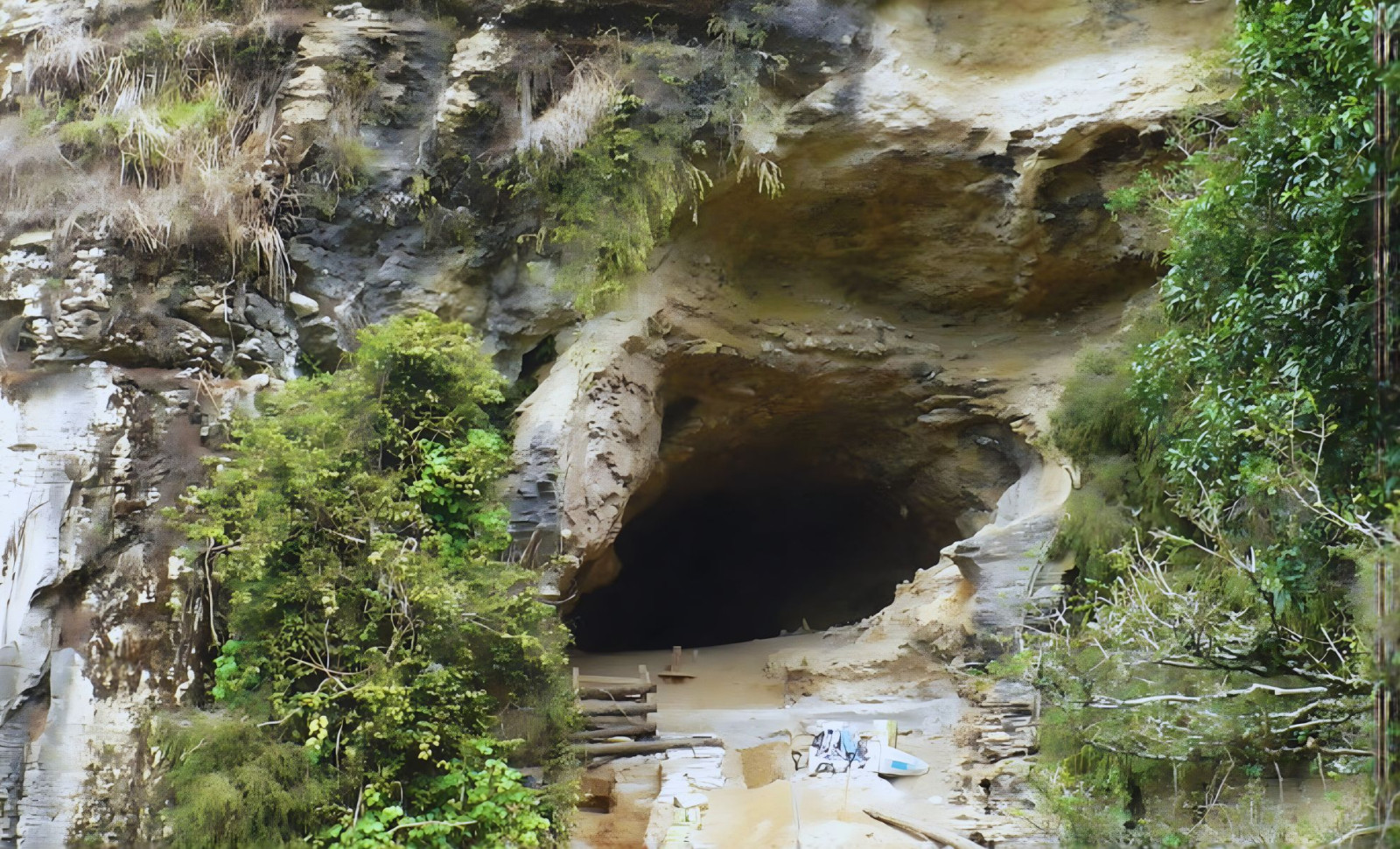
On New Zealand’s North Island, scientists have uncovered a remarkable collection of fossils preserved for upwards of a million years, shedding light on a forest ecosystem that flourished long before human arrival.
The trove contains remains of 12 ancient bird varieties and four frog species, many newly identified by researchers. These discoveries, detailed in Alcheringa: An Australasian Journal of Palaeontology, bridge a crucial fossil gap between early Miocene creatures and the fauna observed by people about 750 years ago.
A Pre-Human Avian Ecosystem Unearthed
The researchers shared their findings in Alcheringa: An Australasian Journal of Palaeontology.

“This is a newly recognized avifauna for New Zealand, one that was replaced by the one humans encountered a million years later,” as explained by Trevor Worthy, associate professor at Flinders University and lead author of the study. “This remarkable find suggests our ancient forests were once home to a diverse group of birds that did not survive the next million years.”
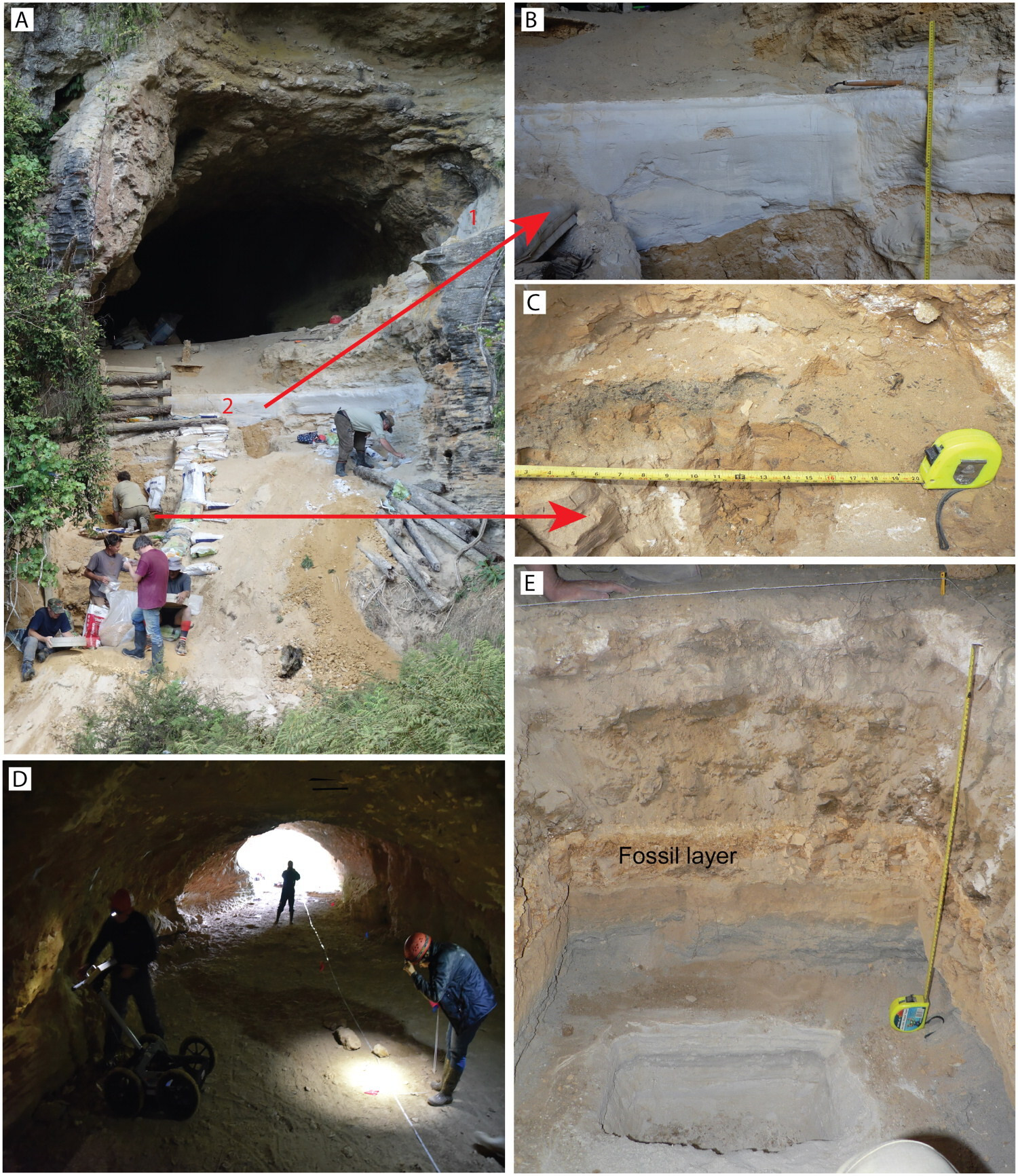
Researchers note that numerous species found within the fossils had become extinct prior to humans setting foot on the islands.
Encapsulated Between Volcanic Ash Strata
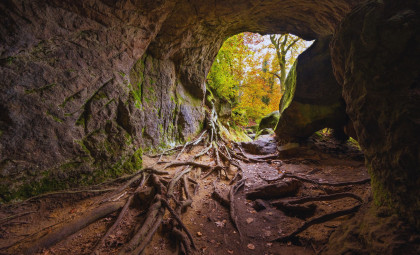
These fossils were discovered sandwiched between two volcanic ash layers within the cave, each linked to significant volcanic events. The older ash dates to around 1.55 million years ago, while the younger is approximately 1 million years old.
Drawing conclusions from the fossils, the team estimates that between 33% and 50% of the island's species perished in the million years before human colonization.
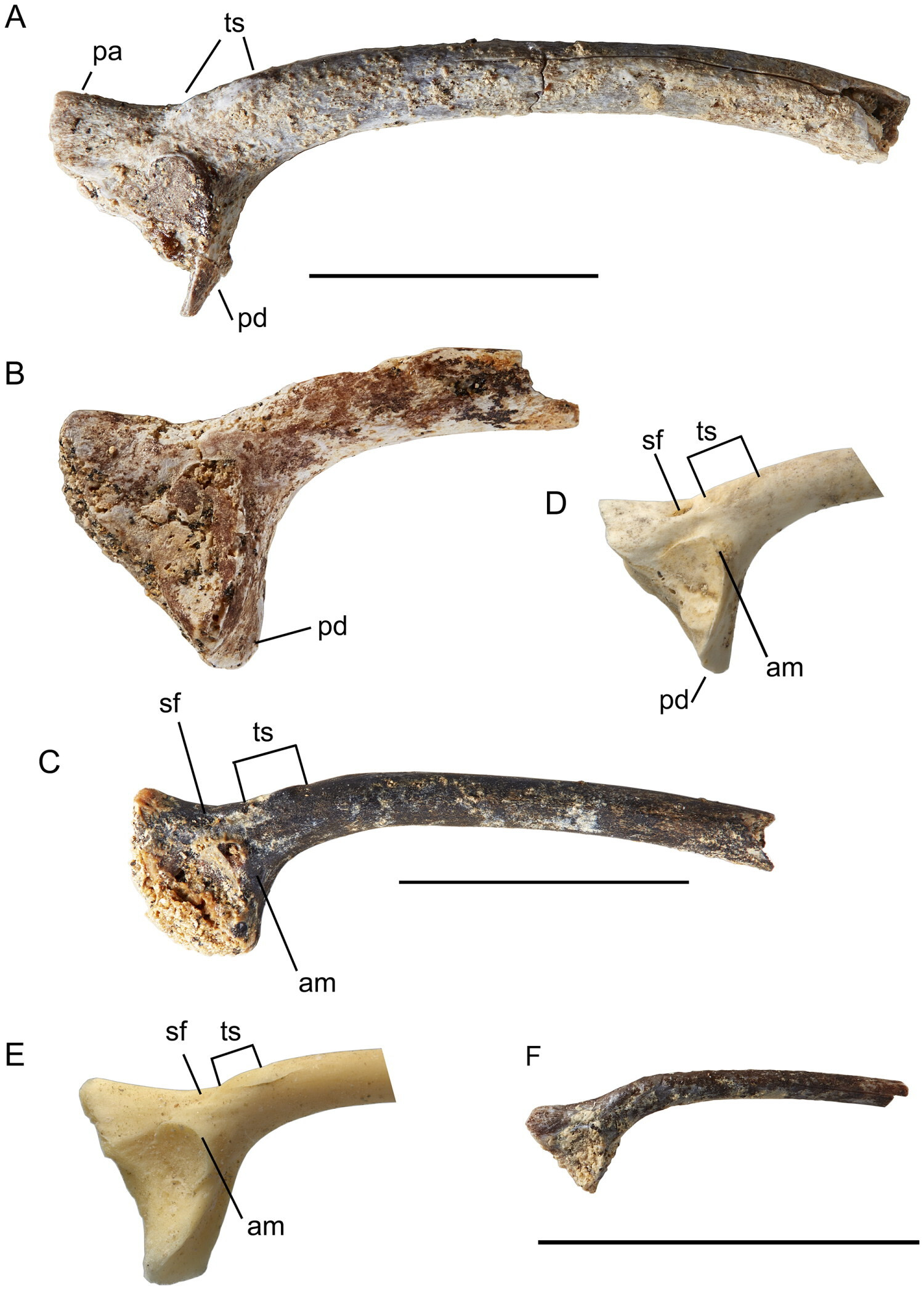
Paul Scofield, senior curator at Canterbury Museum, suggested that abrupt climate changes and massive volcanic upheavals were significant factors behind this biodiversity loss. Worthy further commented:
“For decades, the extinction of New Zealand’s birds was viewed primarily through the lens of human arrival 750 years ago. This study proves that natural forces like super-volcanoes and dramatic climate shifts were already sculpting the unique identity of our wildlife over a million years ago.”
Discovery of an Extinct Pigeon Relative
The excavation revealed a predecessor to today’s Takahe, opening avenues for further study of this enigmatic bird. Additionally, fossils of a now-extinct pigeon species closely related to Australian bronzewing pigeons were found, a link researchers found particularly intriguing.
“The shifting forest and shrubland habitats forced a reset of the bird populations,” Scofield said. “We believe this was a major driver for the evolutionary diversification of birds and other fauna in the North Island.”
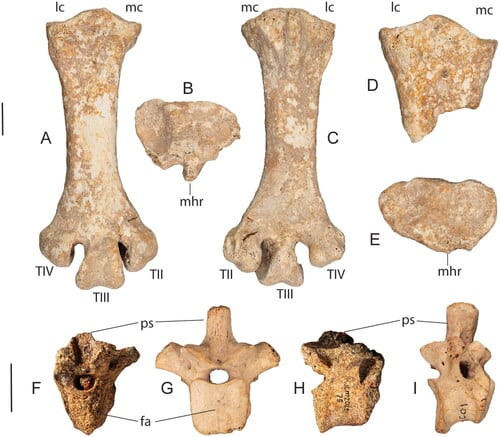
Scofield noted that while prior digs illustrated life in New Zealand from 20 to 16 million years ago, the current findings provide the first insights into fauna from 15 million to 1 million years ago.
“This wasn’t a missing chapter in New Zealand’s ancient history,” he said, “it was a missing volume.”
- Categories:
- Science






0 comments
Sign in to Comment