
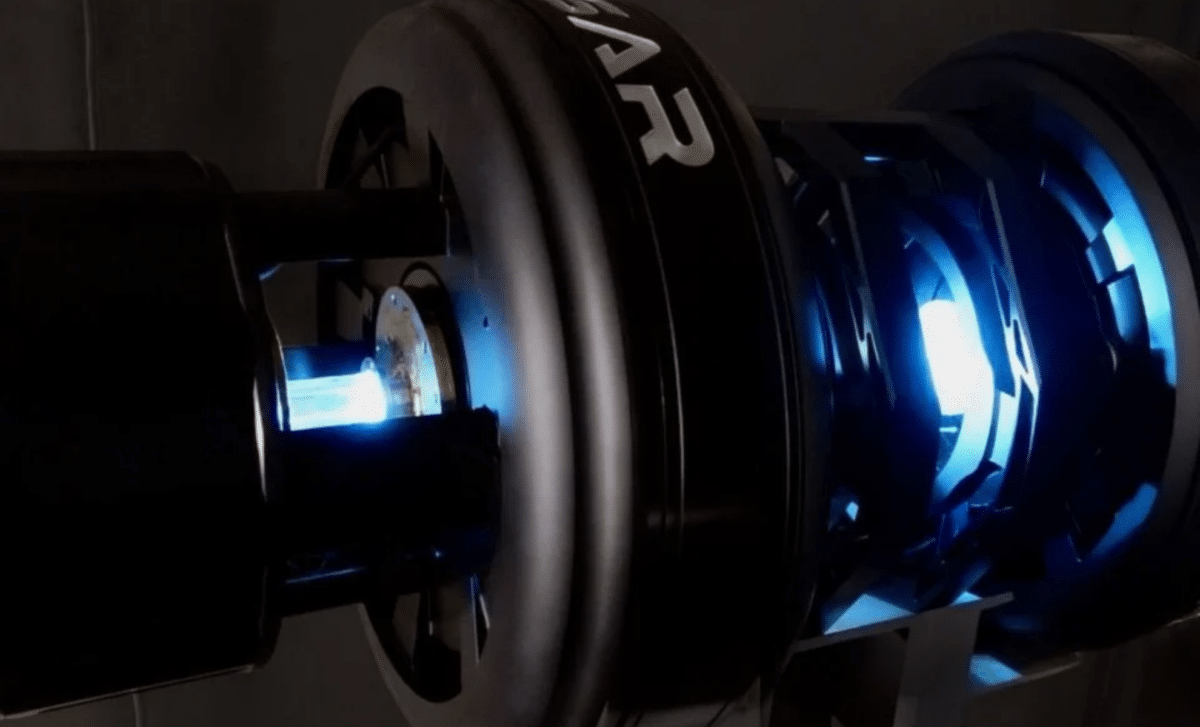
British startup Pulsar Fusion has made history by igniting plasma within the world’s inaugural fusion rocket. This breakthrough in their Sunbird exhaust system is a vital advancement toward creating a propulsion method that could significantly shorten travel times to Mars and other distant locations. This accomplishment represents a key milestone in rocket propulsion technology, paving the way for faster and more efficient journeys across our solar system.
Historic Milestone in Fusion Propulsion by Pulsar Fusion
On March 22, 2026, Pulsar Fusion amazed the aerospace community by successfully demonstrating the ignition of plasma in its Sunbird nuclear fusion rocket at its UK facility. This demonstration was a first-ever showcase proving that fusion propulsion concepts can be realized, offering a promising alternative to conventional rocket technologies.
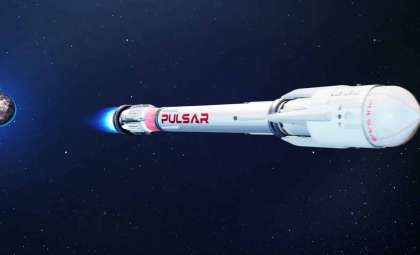
The Sunbird engine aims to ferry spacecraft to Mars in under six months by harnessing the Dual Direct Fusion Drive (DDFD) technology. Using the same nuclear fusion reaction that powers stars, Sunbird generates both thrust and electric power, delivering much higher specific impulse than chemical rockets. This points to a future where space travel is swifter, more energy-efficient, and capable of reaching greater distances.

The ignition event was broadcast live to attendees at Amazon’s MARS Conference in California, captivating aerospace specialists and space enthusiasts alike. This public reveal highlighted the enormous potential of fusion rockets as a game-changing technology for space propulsion.
What Sets the Sunbird Rocket Apart?
Sunbird’s propulsion system distinguishes itself from traditional rockets by utilizing nuclear fusion reactions to generate intense plasma energy instead of relying on chemical combustion. This leads to much greater propulsion efficiency, enabling faster transit, reduced fuel consumption, and the ability to transport larger payloads across space.
One standout advantage is the capability to reduce transit time to Mars to less than six months—a significant improvement over current chemical rockets, which typically require up to 10 months. This innovation could cut travel durations by more than 40%, revolutionizing how humans explore the solar system. Beyond rapid transit, the technology fosters sustainable, long-term deep space missions.reaching Mars faster
Looking Ahead: Transforming Space Missions
Pulsar Fusion envisions Sunbird serving as an orbital “space tug” that docks with spacecraft in low Earth orbit and then propels them onward, bypassing the need for massive launches from Earth’s surface. This approach could dramatically reduce costs and technical barriers for deep space missions.
Fully operational fusion propulsion would enable continuous travel between Earth’s orbit and distant celestial bodies, changing the paradigm of how exploratory missions are conducted. Such technology might enable voyages to farther destinations like Europa, Titan, and possibly beyond our solar system.
The Challenging Path to Fusion-Powered Travel
Advancing nuclear-powered space propulsion has been a lengthy and demanding endeavor, with many researchers anticipating it would remain out of reach for years. However, Pulsar Fusion’s breakthrough results from persistent innovation and commitment, marking a significant stride toward nuclear propulsion on real missions.
The company’s roadmap includes a planned in-orbit demonstration of Sunbird’s core systems in 2027, aiming to validate its operation in the vacuum of space. This ambitious next phase entails building orbital docking platforms and refining propulsion control, but the successful plasma ignition sets a promising foundation.
- Categories:
- Space








0 comments
Sign in to Comment