
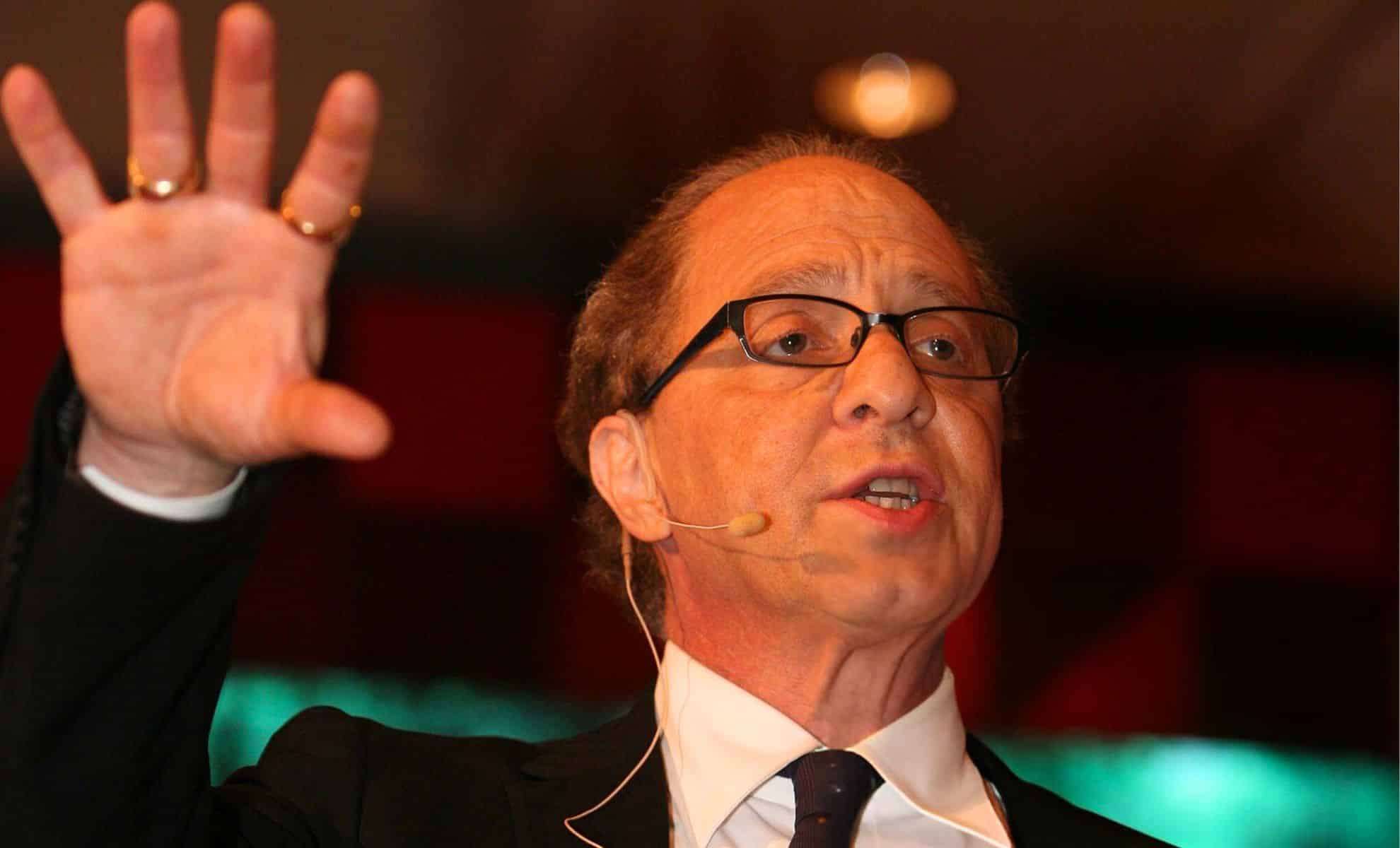
Imagining a future once thought to belong only to science fiction is becoming increasingly realistic. Renowned futurist Ray Kurzweil foresees a rapid acceleration of technology that will fundamentally transform human existence. In his latest work, The Singularity is Nearer, he outlines how upcoming innovations will make our present-day world seem archaic.
The Singularity: Machines Surpassing Human Minds Within Reach
Kurzweil forecasts that by 2045, artificial intelligence will exceed human cognitive capabilities, creating an era where machines not just support, but surpass human intellect and learning. Yet, the most astonishing changes are expected much sooner.
By the early 2030s, breakthroughs in AI and nanotechnology could integrate directly with our brains, enabling instant connection to cloud computing. Forget keyboards or screens—simply think your questions, and the answers will materialize in your mind.

Though this may sound like fiction, Kurzweil asserts it is inevitable. “We will transcend the limitations of our biological minds,” he explains, envisioning a future where enhanced humans solve problems and learn with unprecedented speed.
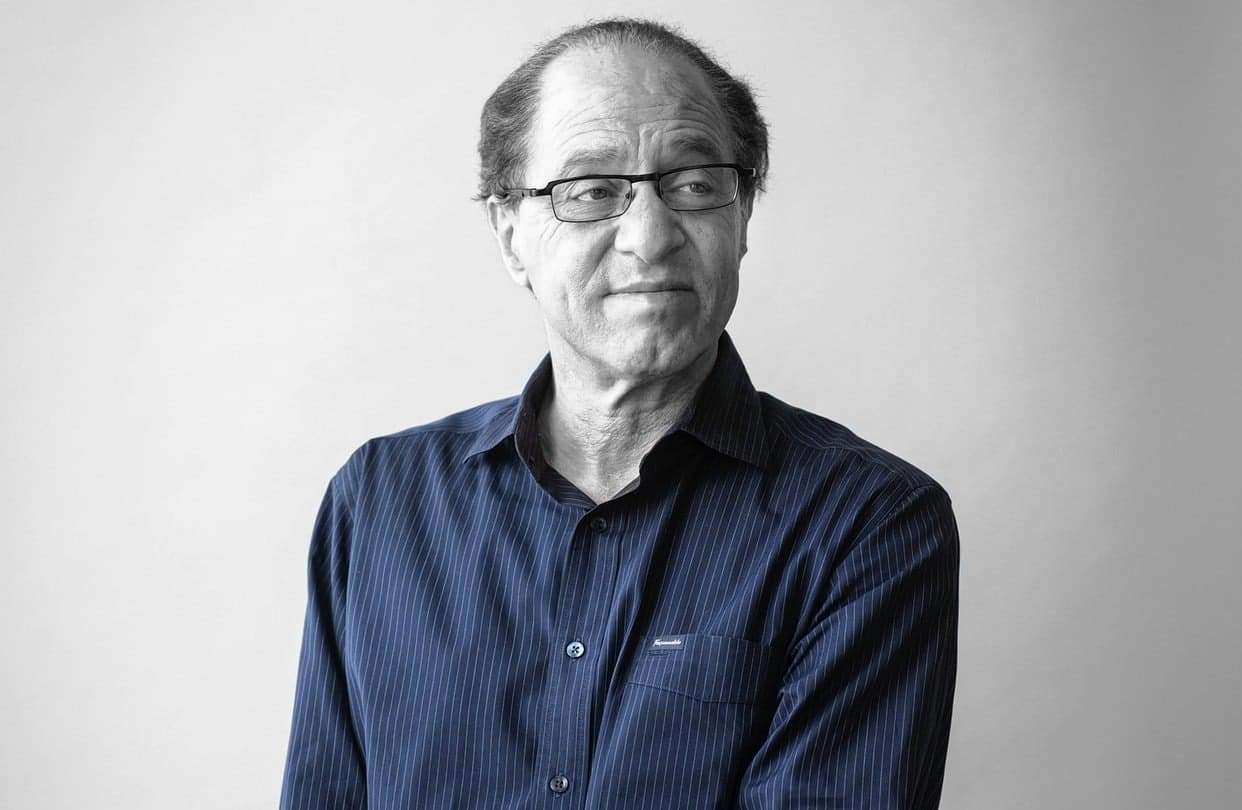
The World of 2030: A Radical New Reality
Beyond faster devices and smarter algorithms, Kurzweil anticipates a fundamental overhaul of everyday life. Key predictions include:
- Virtual immortality – AI-generated recreations of deceased loved ones that feel genuinely lifelike.
- Medical nanobots – Microscopic machines inside our bodies capable of .
- Abundant wealth – Technologies driven by AI could make essentials like food, energy, and materials inexpensive enough that opulence is everyday life.
- Enhanced intellect – Brain-AI integration enabling instant knowledge transfer, perfect memory, and accelerated learning.
Kurzweil contends that conditions like scarcity, illness, and even death could become relics of the past, making modern challenges appear obsolete.
Promise or Peril: Assessing the AI-Driven Future
However, optimism is not universal. Skeptics raise concerns about potential drawbacks:
- Population growth crises – If mortality ends, how will we manage planet-wide overpopulation?
- Social divides – Might those with enhancements overpower those without, deepening inequality?
- Uncontrolled AI entities – What safeguards exist if artificial intelligence gains supreme autonomy?
Even Yann LeCun, Meta’s Chief AI Scientist, warns that the current state of AI is far from matching human intellect, challenging Kurzweil’s timelines.
The AI Era Is Arriving—Are We Prepared?
Kurzweil’s forecasts are more than speculation—they’re a call to awareness. These transformations may unfold more swiftly than most expect, regardless of readiness.
Critical questions face humanity:
- Will people retain control over AI, or will AI come to govern human affairs?
- What happens when distinctions between human and machine dissolve?
- Can we embrace a reality where scarcity, death, and even thought itself are redefined?
One fact stands clear: rapid change is inevitable. The important question is whether we are equipped to meet it.
- Categories:
- News









0 comments
Sign in to Comment