
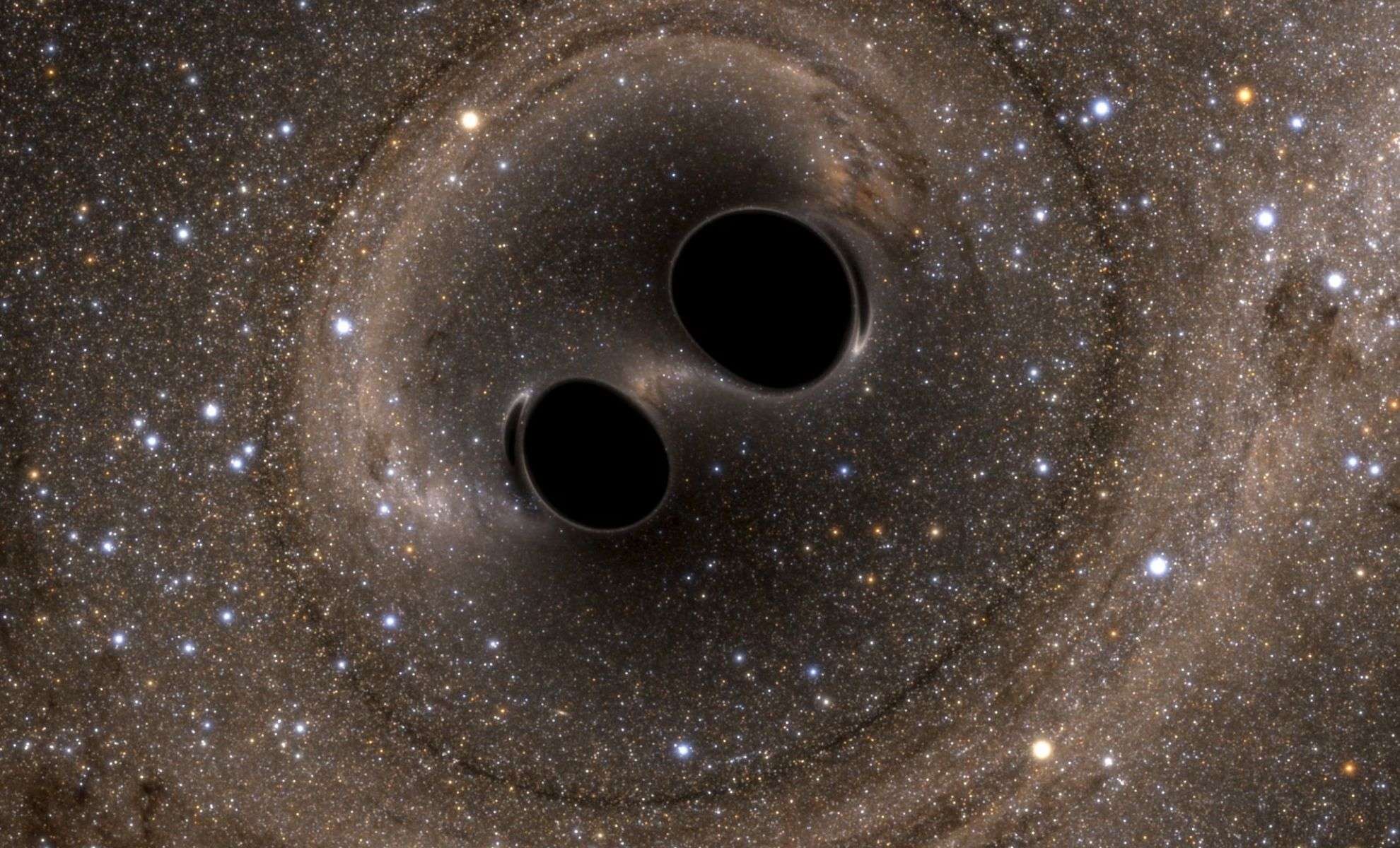
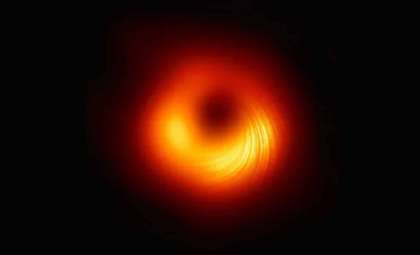
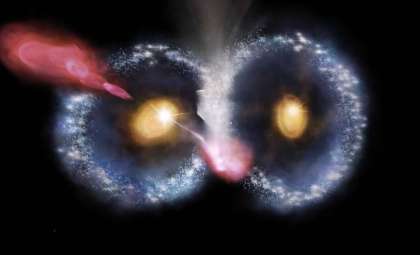
Astronomers have uncovered an extraordinary cosmic event: the merger of the most massive black holes ever observed. This landmark collision, known as GW 231123 after its detection date on November 23, 2023, offers fresh perspectives on the processes behind black hole growth and formation. The event involved two black holes whose masses exceed traditional expectations for stellar-origin black holes.
Unprecedented Black Hole Merger Shakes Theories
This monumental collision has surpassed all prior records for black hole mergers. Previously, the largest known merger produced a black hole roughly 142 times the Sun’s mass. The newly detected GW 231123 event formed an even more massive object, exceeding all past observations. This finding challenges current theoretical models, as both black holes involved are more massive than limits predicted by standard stellar evolution.
Historically, scientists have believed that black holes above roughly 40 to 60 solar masses could not form from a single collapsing star. The GW 231123 merger suggests such massive black holes may instead originate from earlier black hole collisions, rather than directly from star collapse.

Rapid Spins Complicate Signal Analysis
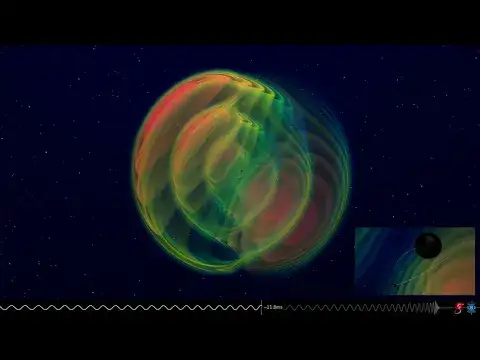
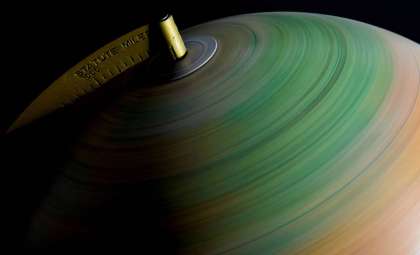
Adding intrigue to the discovery are the extraordinary spin rates of the two merging black holes. Both were spinning near the theoretical maximum, making the gravitational wave signals especially complex. These spacetime ripples generated during collisions are detected by observatories like LIGO, Virgo, and KAGRA, enabling detailed analysis of these enigmatic cosmic entities.
The unusually fast spins could be a hint toward their history, suggesting these black holes might themselves be products of prior mergers.
Shedding Light on Black Hole Evolution
Despite extensive theoretical work, many aspects of black hole formation remain elusive, especially for smaller black holes, which do not emit light and so evade direct observation. Gravitational wave detection like that from GW 231123 has revolutionized the ability to scrutinize these dark objects.
Beyond illuminating the origins of stellar-mass black holes, this merger could help scientists understand how supermassive black holes — found at galaxy centers and millions to billions of times the Sun’s mass — come into existence, a subject still shrouded in mystery.
Mark Hannam, an astronomer and physicist at Cardiff University, remarked, “This represents the largest black hole binary observed via gravitational waves and challenges our current understanding of how black holes form.”
The Dawn of a New Gravitational Wave Era
The observation of GW 231123 is part of an ongoing initiative that began with LIGO’s first detection in 2015. Subsequent contributions from Virgo and KAGRA have led to the recording of hundreds of black hole mergers, enhancing knowledge about their masses, spins, and origins.
According to Gregorio Carullo of the University of Birmingham, “Fully unpacking the complex information in this signal and its implications will take years of dedicated research.”
- Categories:
- News





0 comments
Sign in to Comment