
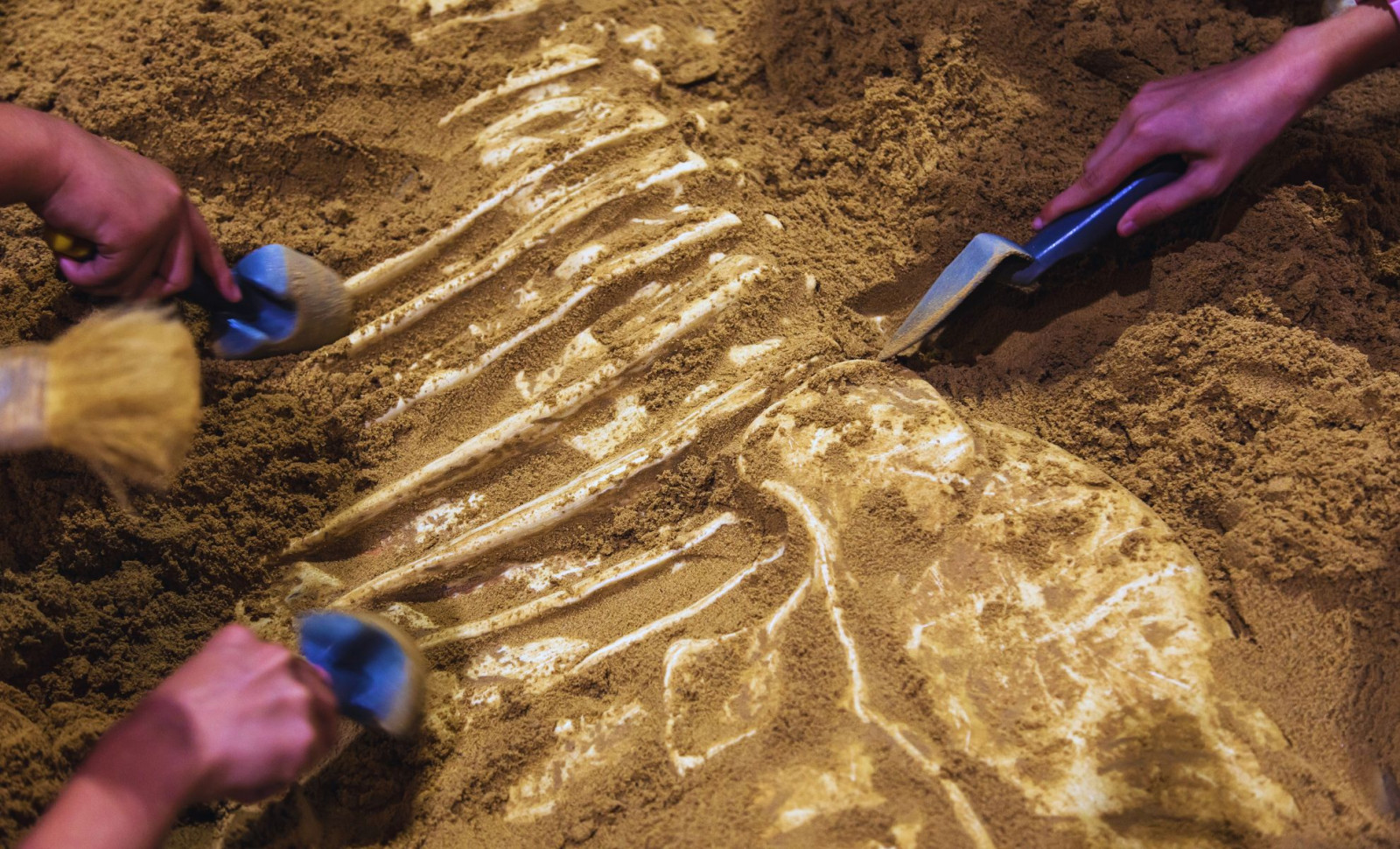
During construction efforts on Loop 88 in Lubbock, Texas, workers made a remarkable paleontological find: a massive tooth from a giant ground sloth dating back to the Ice Age. This astonishing relic brought construction to a temporary standstill and sparked widespread interest among researchers and locals alike.
The fossil emerged amid an environmental assessment connected to the roadway's expansion. Officials from the Texas Department of Transportation (TxDOT) swiftly recognized the tooth as originating from a giant ground sloth that once inhabited the area. Specialists have since been examining the site to locate further fossils and ascertain if other prehistoric animals might be present.
Unexpected Ice Age Fossil Found During Road Expansion
According to The Sun, the fossil came to light during an environmental review connected to Loop 88's ongoing development near Lubbock. Chris Ringstaff, the TxDOT project planner, shared that the team had not anticipated uncovering such a significant paleontological specimen amid their construction work.

“We know we’ve found giant ground sloth by its distinctive tooth,” he said in a press release of the Texas Department of Transportation (TxDOT). “Whether all the bones are giant ground sloth or there are different animals such as mammoth or mastodon, we’re not sure. Paleontologists will give us positive identification.”
The tooth was promptly confirmed as belonging to a giant ground sloth, a massive creature that roamed North America during the Ice Age. Ringstaff noted that though the vicinity is known for prehistoric remains, this particular find stands out due to the enormous size of the animal.
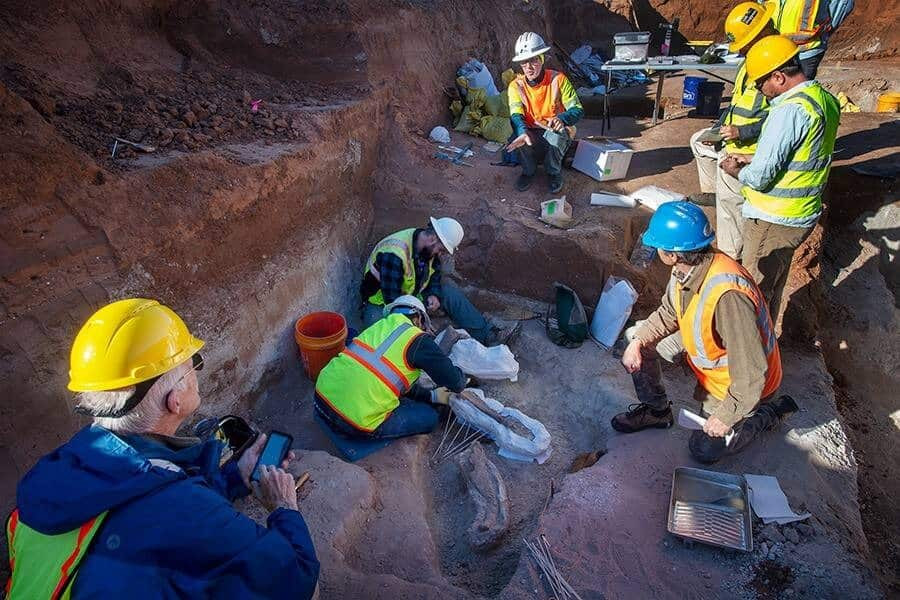
Experts from the Museum of Texas Tech University have been called upon to assist in identifying and preserving the fossils. The area’s ancient lakes, known as playas, were vital ecosystems during the Ice Age, sustaining species like the giant ground sloth and early humans alike.
A Glimpse Into Prehistoric Texas
The remains are attributed to the Shasta Ground Sloth, a species towering up to nine feet tall and weighing as much as 550 pounds. This slow-moving herbivore was among the diverse megafauna inhabiting North America in the Pleistocene Epoch.

The National Park Service explains that these giant sloths migrated from South America over 2.6 million years ago alongside species like early felines and llamas. Though extinct today, their fossils provide valuable insight into the Ice Age environment.
Integrating Fossil Research with Infrastructure
While the uncovering of ancient fossils might pose challenges to infrastructure projects, officials are committed to facilitating construction without significant interruptions. TxDOT, led by planners like Ringstaff, aims to strike a balance between modern development and preserving important paleontological sites.
“If the site has no artifacts and dates to a time well before humans, [the Texas Department of Transportation] will recommend no further work, and the project can proceed to construction,” he explained.
Ongoing digs and examinations will continue as paleontologists search for further remains. Eventually, these fossils might be exhibited publicly to enhance awareness of Texas’s prehistoric heritage. Rebekah Dobrasko, director at the Texas Association of Museums’ Cultural Resources, remarked:
“Excavation is one of many steps TxDOT can take prior to road construction to ensure that Texas history is preserved.”
This collaboration underscores how the preservation of ancient history can coexist with progress in infrastructure.
- Categories:
- Science











0 comments
Sign in to Comment