
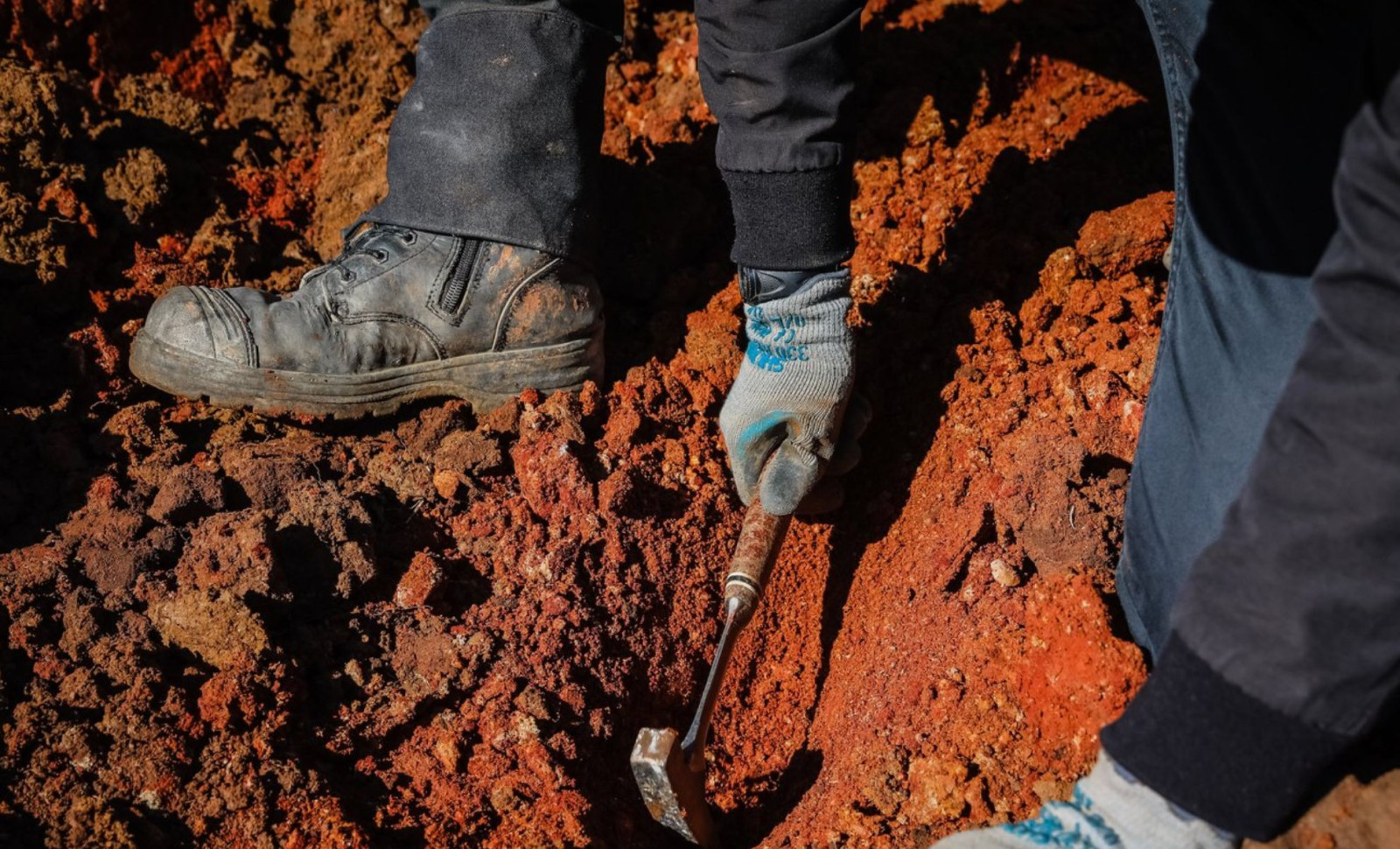
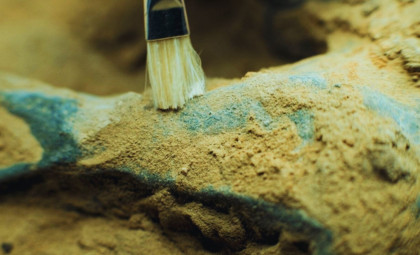
In a rural patch of New South Wales, scientists have stumbled upon one of Australia’s most extraordinary fossil discoveries. Beneath the surface lies an ancient rainforest ecosystem dating back 11 to 16 million years, captured in iron-rich sediment with exceptional preservation. What's striking is that the fossils are embedded within material that's essentially rust.
Today, McGraths Flat is enveloped by an arid landscape, far from any tropical lushness. However, millions of years ago, this region was cloaked in vibrant rainforest, home to a variety of insects, arachnids, fish, birds, and diverse vegetation.
The Australian Museum Research Institute team has been dedicated to exploring this site for years. Their most recent findings, published in Gondwana Research, highlight the unique iron-enriched sediments that enabled such impeccable fossil preservation of this prehistoric environment.

A Unique Fossil Site Formed in Iron-rich Sediments
Well-known fossil localities typically occur within shale, sandstone, limestone, or volcanic ash—substrates that rapidly bury remains, safeguarding fragile tissues.
According to the Australian Museum Research Institute, renowned sites like Germany’s Messel Pit (about 47 million years old) exhibit preserved traces of fur, feathers, and skin, while Canada’s Burgess Shale contains soft-bodied creatures from approximately 500 million years ago.
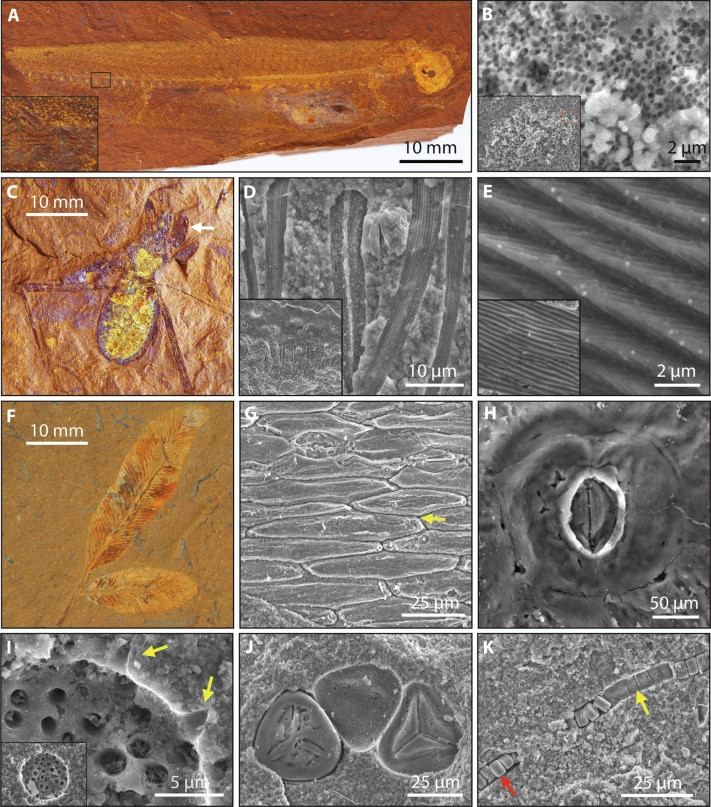
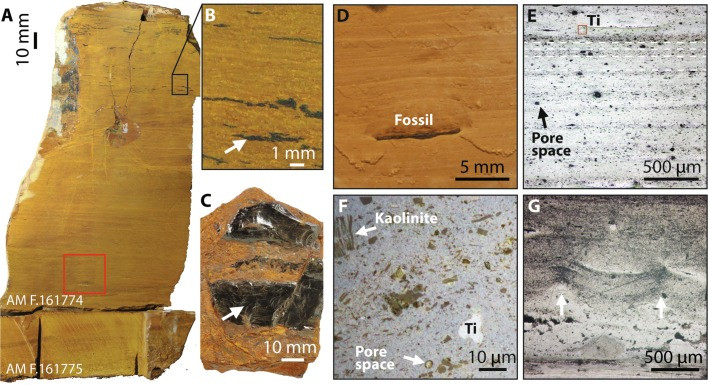
McGraths Flat sets itself apart through its iron-rich composition, dominated by goethite that imparts a vivid red hue. Typically, iron-rich rocks are linked with ancient geological formations but rarely preserve detailed remains of terrestrial flora and fauna.
This unexpected preservation medium astonished scientists, revealing terrestrial fossils maintained in iron far beyond their expectations.
Microstructural Preservation of Tissues and Organs
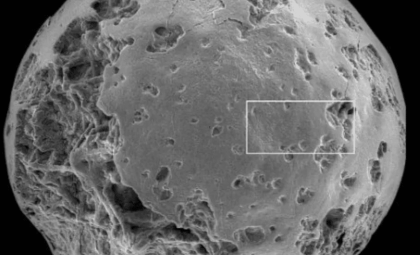
The preservation wonder lies in the site’s composition: McGraths Flat consists of a fine-grained iron formation called ferricrete. Under magnification, it reveals minuscule iron-oxyhydroxide particles roughly 0.005 millimeters in size.
As detailed in Gondwana Research, these particles infiltrated the tissues during burial, filling even the tiniest structures and preserving details usually lost through decay.
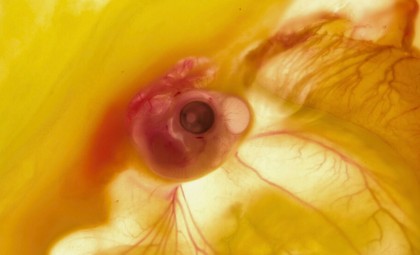
These fossils retain astonishing fine-scale features, including pigment cells in fish eyes, internal organs in fish and insects, delicate spider hairs, and nerve cells. Considering that high-quality soft tissue preservation is rare in terrestrial fossils, these findings are particularly valuable. Marine deposits usually dominate the fossil record, making such detailed snapshots of ancient land ecosystems exceptionally rare.
Ancient Rainforest Conditions Created Ideal Preservation
To understand how these fossils formed, researchers explored the site’s ancient environment. During the Miocene, this area experienced warm and humid conditions, blanketed by rainforest. Weathering of basalt rocks released iron, which was transported underground via acidic groundwater.
This dissolved iron accumulated within an oxbow lake, a cut-off section of river. Fine iron-rich sediments settled on the lakebed, rapidly encapsulating plants and animals, preserving soft tissues down to the cellular level.
Over time, these iron sediments solidified into the fossil-rich rocks present today. Researchers hope that learning about this process will aid in locating similar fossil sites worldwide.
- Categories:
- Science


0 comments
Sign in to Comment