
A recent investigation funded by NASA has identified a vital factor for success in deep-space endeavors: the capacity of extensive teams to sustain a unified focus despite communication lags. Featured in Personnel Psychology, this study highlights “collective attention” as the crucial process enabling complex teams to collaborate efficiently over vast distances, providing valuable guidance for upcoming lunar, Martian, and interplanetary missions.
The Importance of Collective Attention in Space Exploration
While much of the conversation around manned Mars missions focuses on the technical challenges of spacecraft, habitats, and life support, the human element remains critically important. Astronauts will be stationed millions of miles from Earth, facing communication delays ranging from several minutes to nearly an hour, depending on planetary alignments. These delays mean that instant communication will no longer be feasible during emergencies, technical issues, or research activities.
Scholars from Michigan State University aimed to investigate how communication delays influence coordination between astronauts and Mission Control. Their research examined large, interconnected networks rather than isolated teams. Dorothy R. Carter, associate professor of management at Michigan State, described the challenge ahead: “NASA understands that cooperation on long-duration missions, such as sending humans to Mars, extends well beyond the spacecraft crew. Astronauts must maintain ongoing collaboration with many Earth-based personnel,” Carter explained. “This calls for a vast, multiteam collaborative structure.”

The findings suggest mission success hinges not only on technological advancements but also on multiple specialized groups maintaining synchronized priorities. Scientists, engineers, flight managers, medical teams, and astronauts need to interpret data, evaluate risks, and make joint decisions. Communication delays complicate this shared understanding, exposing a gap that conventional team management methods have struggled to bridge.
Modeling Mars Mission Communication Delays
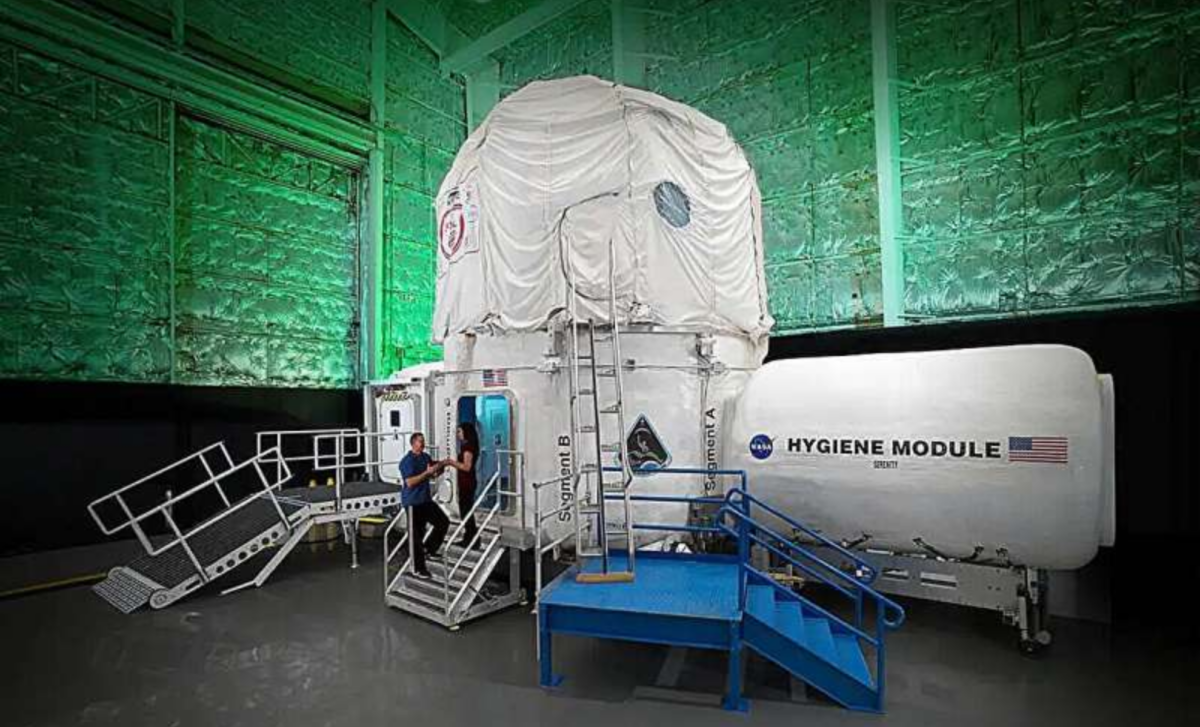
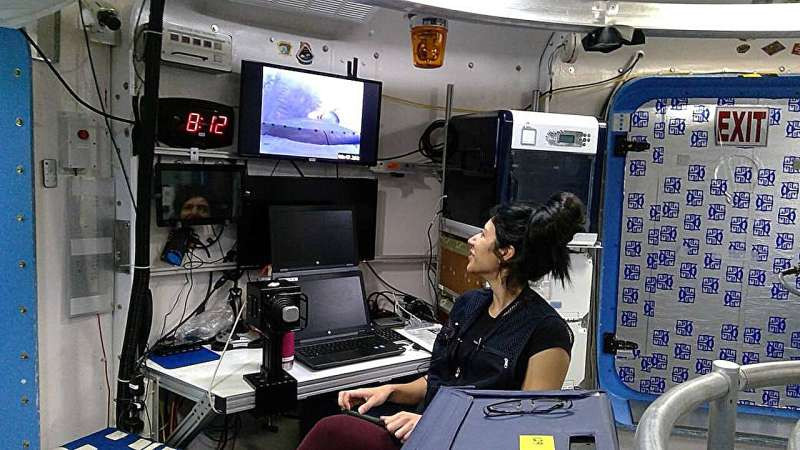
To explore these issues, researchers utilized NASA’s Human Exploration Research Analog (HERA) at the Johnson Space Center in Houston. This facility replicates space mission conditions, allowing volunteers to live and work as astronauts. Participants housed in the habitat acted as the crew, while counterparts at Michigan State University simulated Mission Control.
During the study, the team introduced varying communication delays, simulating the time lags expected in space travel. They then studied the interactions and applied computational modeling to predict how multiteam systems might perform under such conditions.
Analysis revealed a consistent trend: the critical factor affecting team performance was not the quantity or speed of communication, but whether different groups could simultaneously focus their attention on the same task. This shared focus, termed collective attention, represents aligned priorities across multiple teams working toward a unified objective.
Published in Personnel Psychology, this study is among the first to position collective attention as central to understanding how communication delays impact team effectiveness. The insights could transform how organizations plan for operations where real-time communication is not guaranteed.
The Impact of Communication Lag
Communication delays pose more than just a logistical headache. When messages are delayed by minutes, teams risk developing diverging assumptions and priorities, potentially leading to escalating coordination problems.
Carter highlights this core issue: “Delays seriously disrupt collective attention. Without real-time communication, it’s significantly harder to focus on identical issues at the same moment,” she said.
This difficulty becomes acute during crises requiring swift response. On Mars, astronauts might face unexpected system failures, environmental threats, or health emergencies, while Earth-based experts analyze data and draft solutions. If teams focus on different aspects, decision-making can slow or become disjointed.
Approaches to Maintain Team Focus Over Distance
Though the study identifies a major hurdle, it also points toward viable strategies. Carter and the team found that intentional practices can help sustain collective attention even when communication is delayed.
“Our research suggests multiple interventions could uphold collective attention during communication outages,” Carter noted.
Key recommendations focus on enhancing individual skills, clarifying communication, and strengthening inter-team relationships. Such steps reduce misunderstandings and increase the chances teams keep aligned on shared goals.
Carter provided examples: “Building trust between Mission Control and astronauts pre-mission, training in clear communication, conducting regular structured debriefs, and understanding team members’ strengths to determine leadership during issues are all effective approaches.”
Implications for Upcoming Space Missions
As NASA and international agencies gear up for explorations beyond Earth’s orbit, recognizing the human factors involved is crucial. The Artemis Moon missions and future Mars expeditions will demand exceptional coordination between crews and ground teams.
Collective attention offers a useful framework to meet these needs. Guaranteeing that distributed personnel stay focused together despite time delays and physical distance can enhance mission safety and efficiency.
“Teams should be prepared to think clearly, communicate in simple ways and build strong connections with each other. These steps help everyone stay focused on the same goals, even when communication is broken up or delayed,” Carter said. “These ideas also help us better understand how teams work across time and distance and provide a starting point for helping them succeed in challenging, high-pressure environments.”
This research underscores that future mission triumphs will rely as much on coordinated human effort as on engineering prowess. As humanity ventures further into space, connection will mean not just sending signals but ensuring everyone remains aligned in purpose no matter the distance.
- Categories:
- Nasa









0 comments
Sign in to Comment