
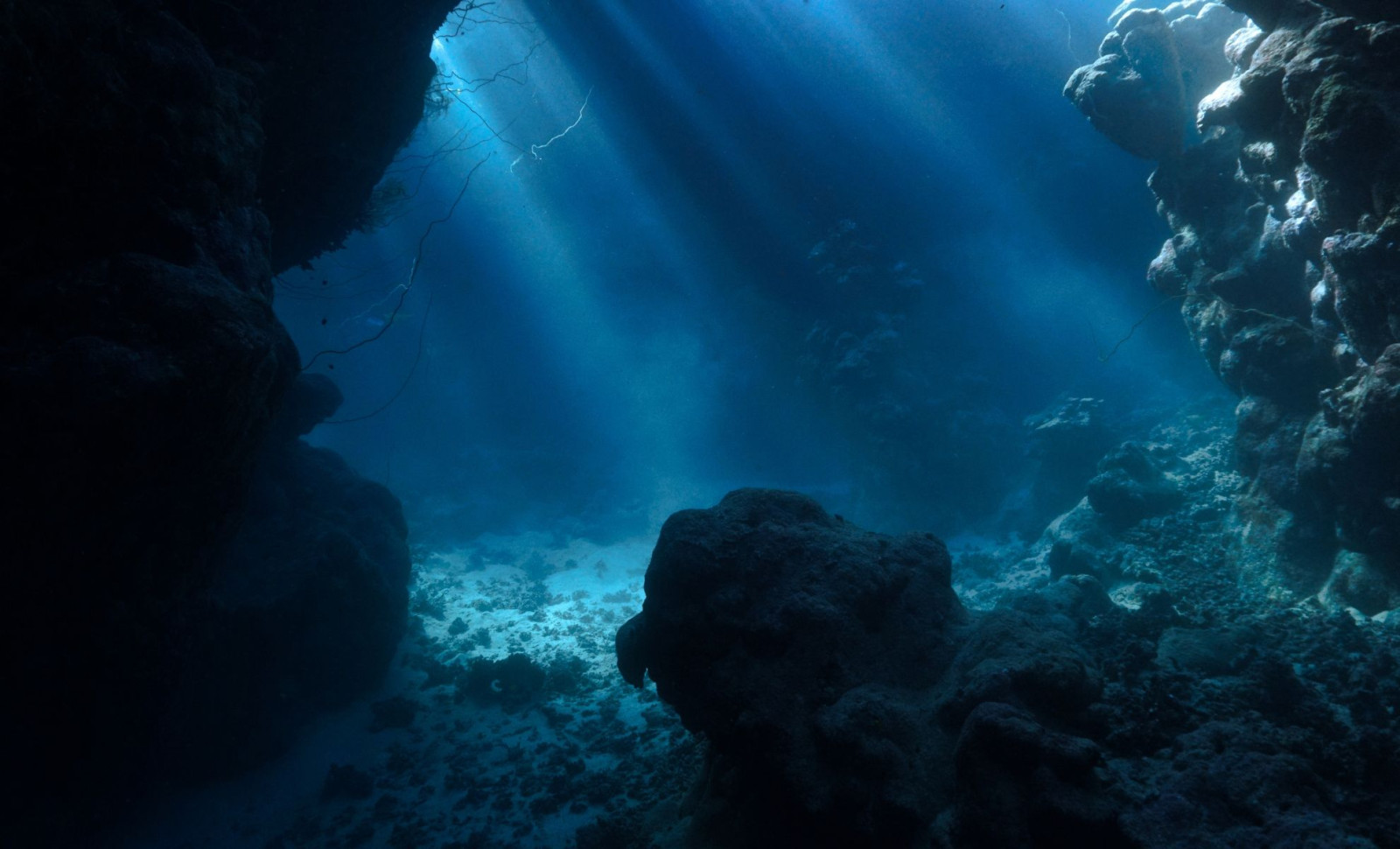
A recent deep-sea research voyage near Argentina has uncovered a surprisingly vibrant underwater ecosystem, featuring numerous potential new species along with rare marine life sightings. Initially concentrated on investigating cold seeps, the expedition unveiled an expansive and intricate network of marine organisms.
The team operated from the Schmidt Ocean Institute’s vessel, Falkor (too), renowned for prior breakthroughs like discovering Antarctic squid and new octopus varieties. This time, their mission focused on exploring cold seeps—unique deep-sea locations where chemical emissions support specialized microbial life that underpins distinct ecological communities.
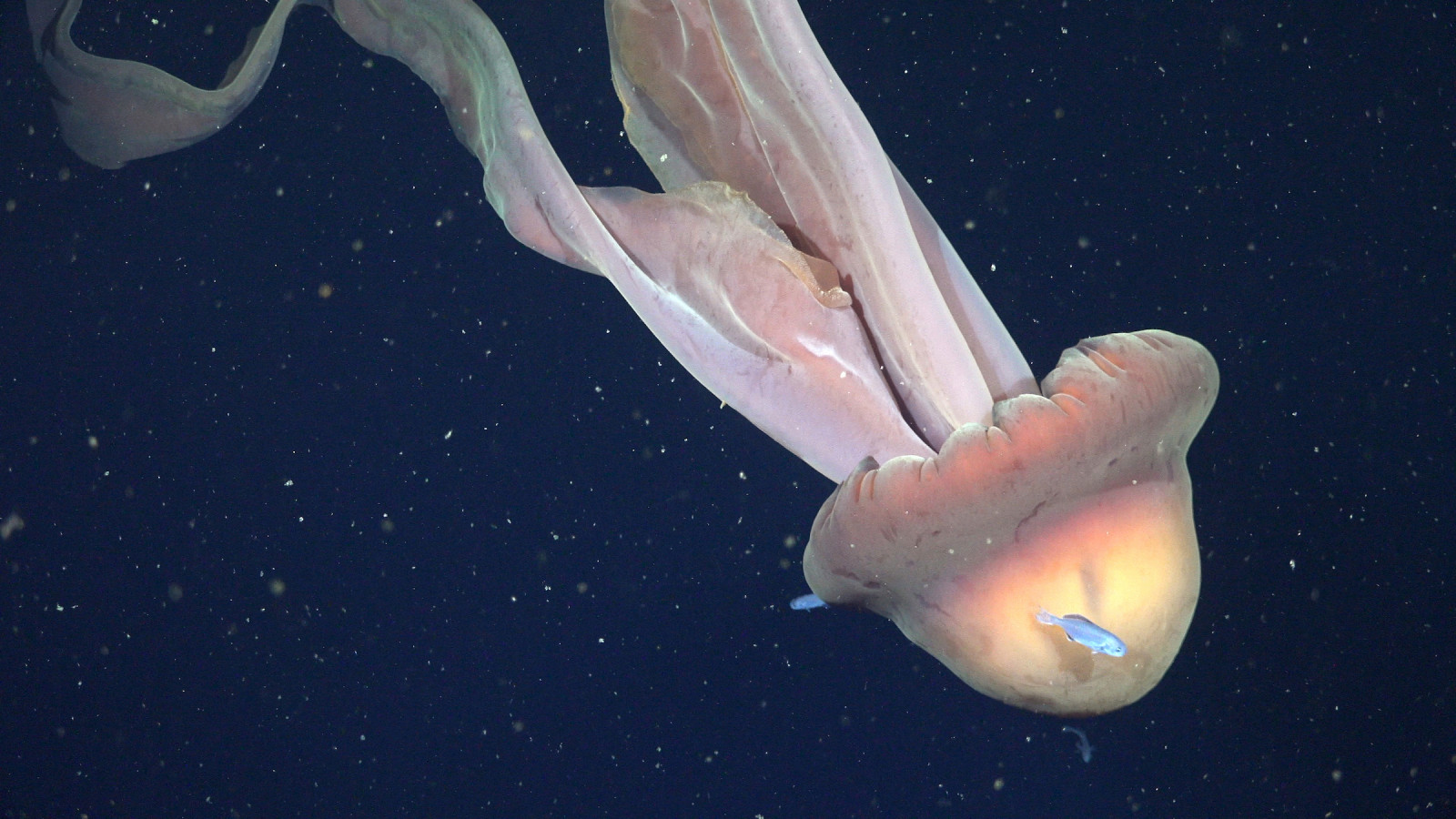
The research group found only a single active seep, but their observations extended across a broader expanse revealing an unexpectedly high concentration and variety of marine species. This suggests that the ecological influence of cold seeps spreads much further than once believed.

Surprising Expansion of Deep-Sea Life
The extent of biodiversity recorded astonished the scientists. Instead of marine life clustering only near seep sites, organisms were spread extensively across the seafloor.
“We were not expecting to see this level of biodiversity in the Argentine deep sea, and are so excited to see it teeming with life,” said chief scientist María Emilia Bravo, in a statement released by the Institute. She added that: “Seeing all the biodiversity, ecosystem functions, and connectivity unfolding together was incredible. We opened a window into our country’s biodiversity only to find there are so many more windows left to be opened.”
The data from the expedition indicates a complex ecological connectivity not previously recognized in deep-sea habitats.
Discovering 28 Potentially New Species in a Massive Coral Formation
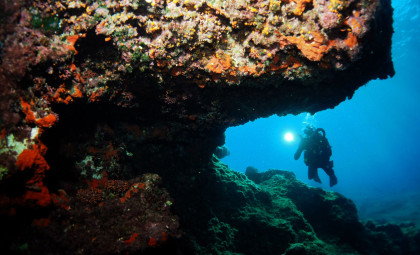
A major highlight includes the detection of 28 possible new species such as sea snails, sea urchins, anemones, and worms, many residing within an extensive coral reef dominated by Bathelia candida.
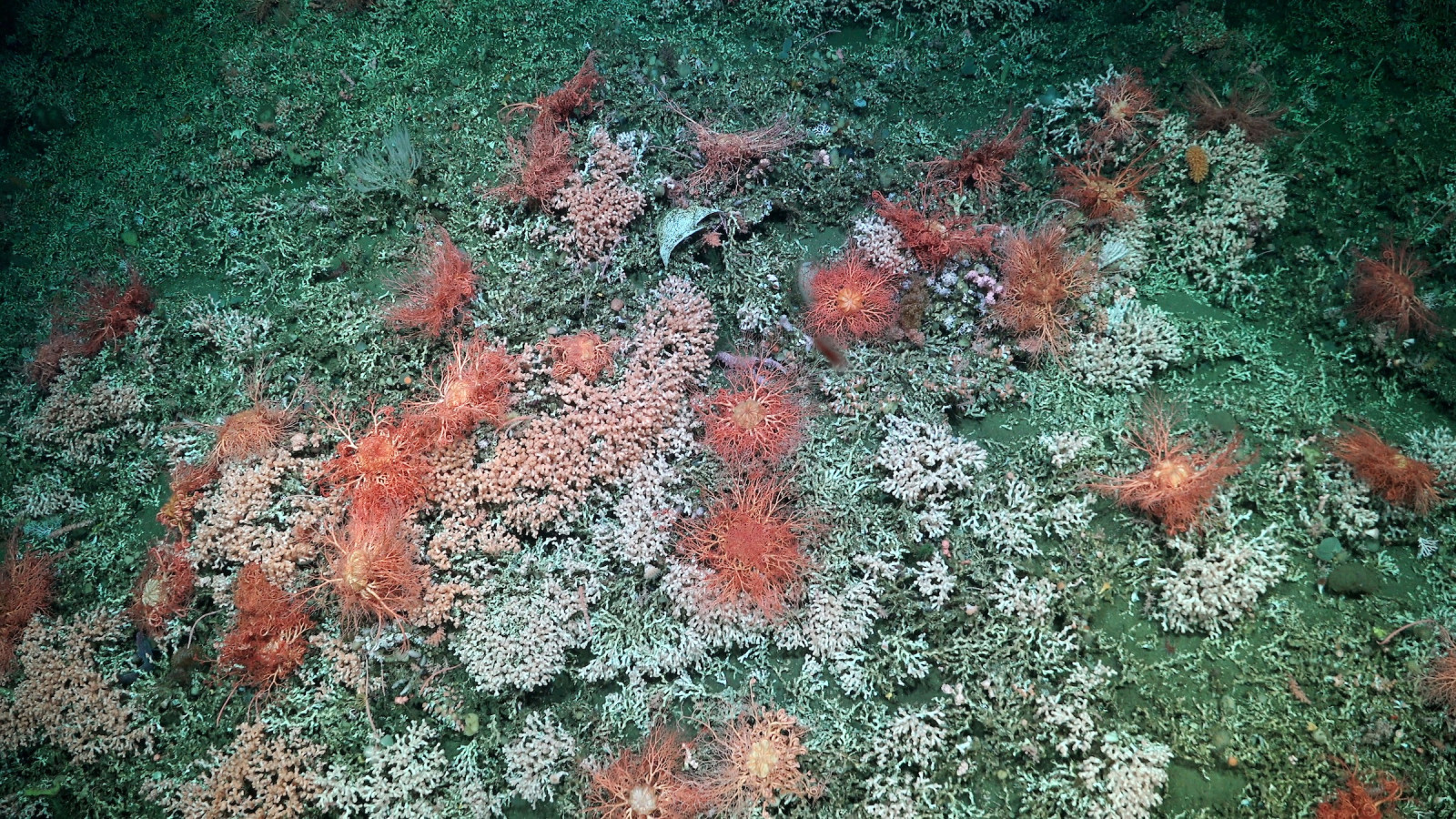
The Schmidt Ocean Institute describes this reef as the largest known of its species, covering an area comparable to Vatican City, according to Popular Science. It serves as a vital habitat supporting diverse marine life and demonstrates how complex ecosystems thrive in deep, sunless ocean zones.
The presence of numerous previously unidentified species in this formation underscores how much remains to be explored and understood about deep-sea biodiversity.
Extraordinary Deep Ocean Encounters
The expedition also documented the elusive phantom jellyfish (Stygiomedusa gigantea), a rarely observed giant jellyfish that can reach lengths comparable to a full-sized school bus, making it one of the largest jellyfish species worldwide.
Additionally, scientists observed Argentina’s first recorded deep-sea whale fall at a depth of about 2.4 miles. The carcass is now a localized habitat, sustaining a range of marine species including sharks and crabs.
As Jyotika Virmani, executive director of the Schmidt Ocean Institute, remarked:
“With every expedition to the deep sea, we find the ocean is full of life—as much as we see on land, and perhaps more because the ocean contains 98 percent of the living space on this planet.” he said, “We have been privileged to work with outstanding scientists across three expeditions in Argentinian waters, and look forward to seeing their research continue to unfold, unlocking new understanding and inspiration.”
- Categories:
- Science


0 comments
Sign in to Comment