
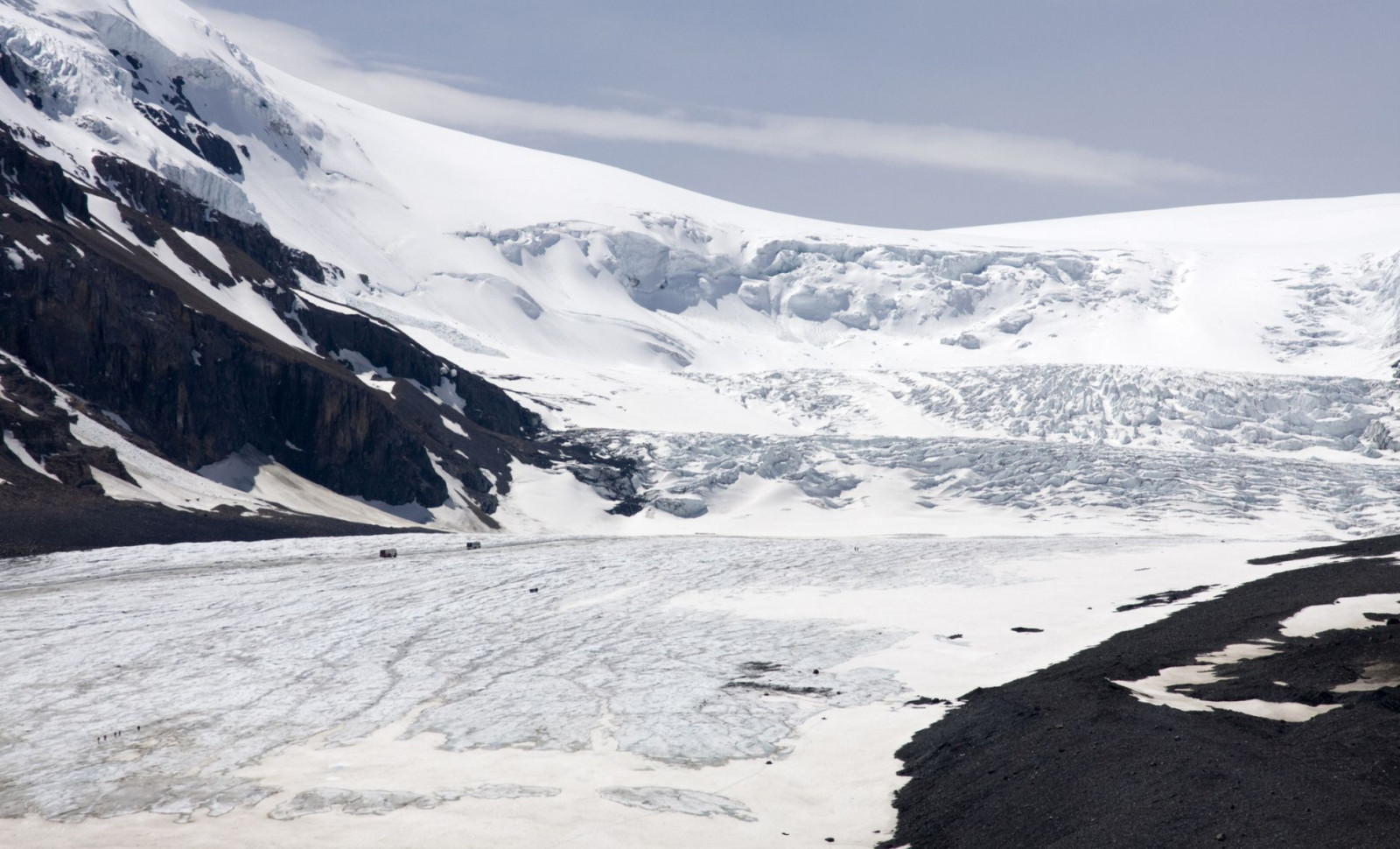
Scientists stumbled upon a striking phenomenon involving unusually dark icebergs in the Arctic, which led to a surprising revelation about the ocean floor's biodiversity.
A collaborative study between the Alfred Wegener Institute (AWI) and the Woods Hole Oceanographic Institution focused on icebergs drifting through the Fram Strait, located between Greenland and Svalbard. What began as a curiosity about unusual ice formations evolved into uncovering how these icebergs influence marine life beneath the Arctic Ocean.
By integrating satellite surveillance with data collected from subsea monitoring stations, researchers tracked the path of rocky debris trapped in glacial ice and explored its impact on fostering new underwater habitats.

Unexpected Discoveries in the Fram Strait
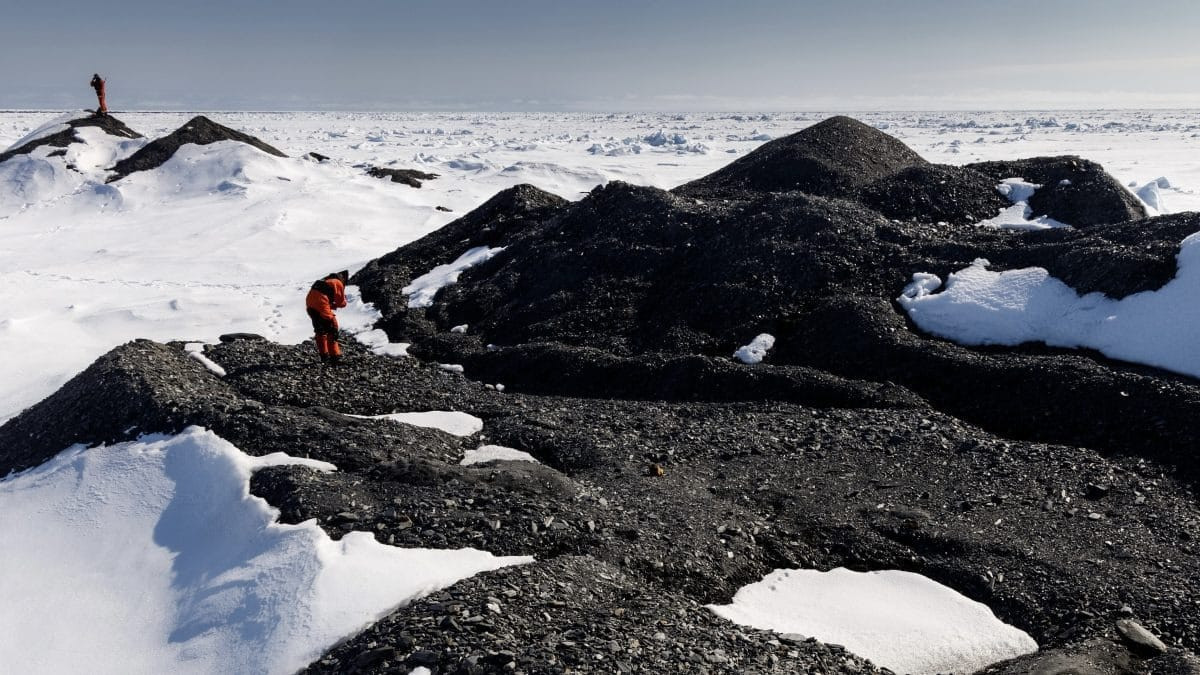
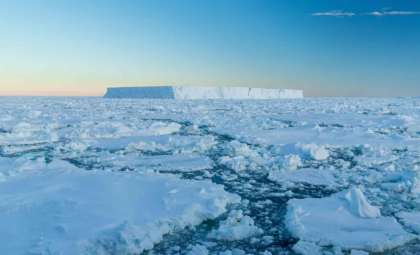
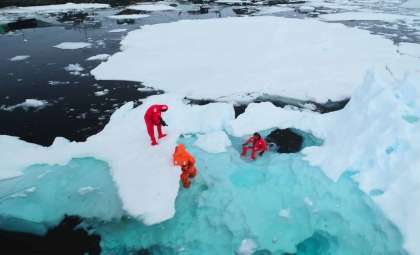
The investigation started during a 2021 polar expedition when researchers noticed several icebergs in the Fram Strait showing an unusual dark hue caused by extensive sediment cover, contrasting sharply with the usual bright white ice.
Marine biologist Melanie Bergmann shared in a WHOI press release:
“Some of the icebergs were carrying unusually large amounts of debris and looked almost black from above.”
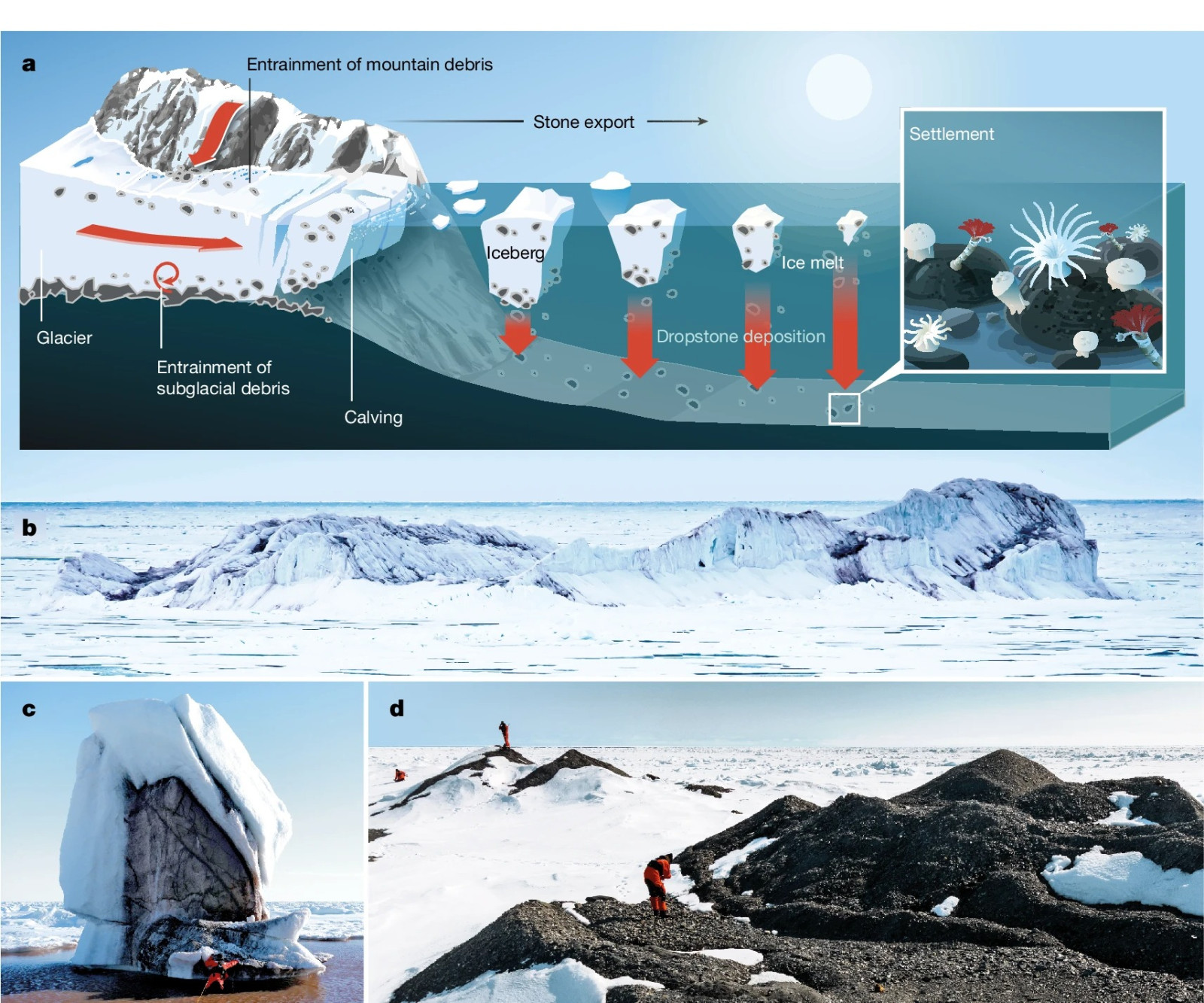
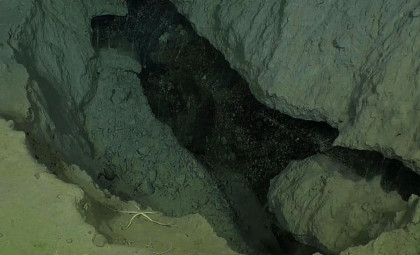
Driven by curiosity, the team explored where this vast rocky material ended up. As these icebergs melt, the embedded stones and sediments descend to the ocean floor. These deposits, termed dropstones, linger on the seabed long after the ice has vanished.
Icebergs as Architects of Seafloor Ecosystems
Using the AWI's Hausgarten Observatory — a network of 21 deep-sea monitoring stations in the Fram Strait — scientists assessed the ecological effects of these dropstones on the seafloor.
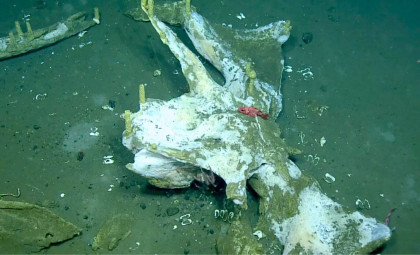
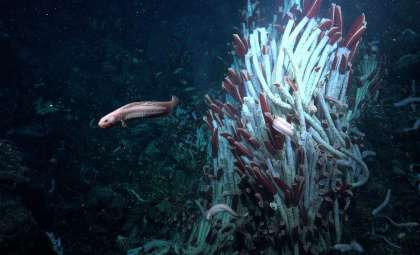
Photographic evidence from the observatory unveiled flourishing communities forming around the dropstones. The researchers spotted an array of species such as soft corals, sea anemones, sea stars, sponges, and bryozoans establishing themselves on or near the rocky deposits. These ecosystems have been expanding as more rock masses accumulate on the ocean floor.
“Where previously there were only isolated stones of various sizes, we are now finding much larger accumulations, frequently in small groups,” marine biologist Kirstin Meyer-Kaiser said in a statement released by AWI, adding that: “as a result, biodiversity in the deep sea is increasing.”
The study caught the attention of experts beyond the original team. Speaking with Nature, marine ecologist Bodil Bluhm from UiT The Arctic University of Norway described this as an impressive demonstration of the interconnectedness of Earth's systems.
Mapping the Journey of Ice and Stone
To determine the source of debris within these icebergs, the team utilized satellite tracking to retrace their paths. The majority originated from glaciers in northeastern Greenland, with others stemming from the Russian High Arctic.
Due to limited satellite data over Russian glaciers, the team could not conclusively determine climate change effects there. However, Greenlandic glaciers offered clearer insights, showing how glaciers accumulate rocks while moving across the land before releasing them into the sea through calving.
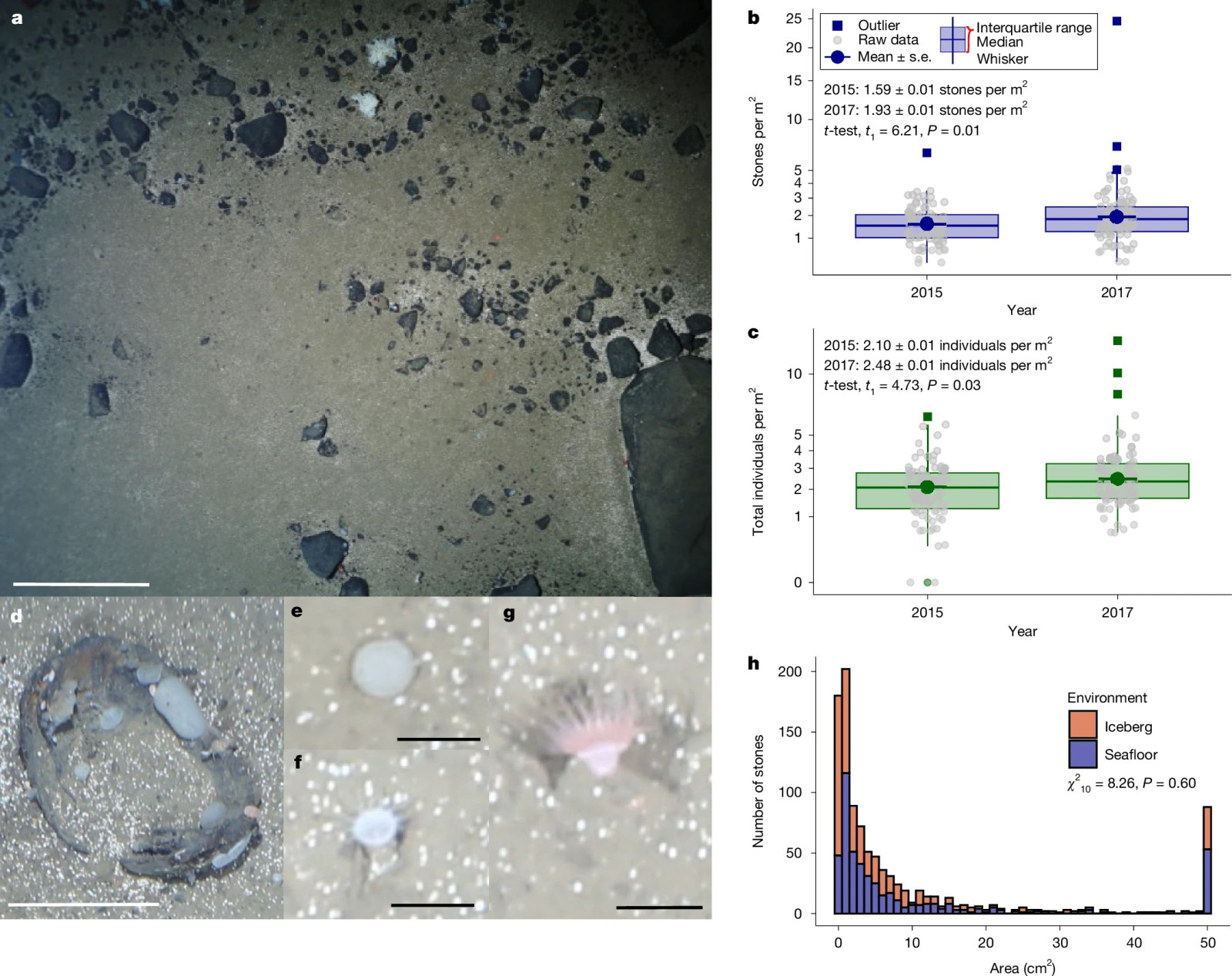
Researchers also gathered stone specimens from the seabed and compared them to debris from icebergs. The mineralogy corresponded, reinforcing the connection between these seabed deposits and their glacial origins.
Beyond marine biology, tracking these icebergs can enhance safety for Arctic navigation. The study’s lead author, Thomas Krumpen, emphasized that understanding iceberg trajectories and debris footprints is crucial for maritime operations in the Arctic.
“An increasing presence of icebergs in certain regions of the Arctic harbours considerable risks, for example for cruise ships and cargo ships, which are travelling in ever greater numbers in the ice or near the ice edge, as well as for exploration activities for oil and gas,” he said.
- Categories:
- Science




0 comments
Sign in to Comment