
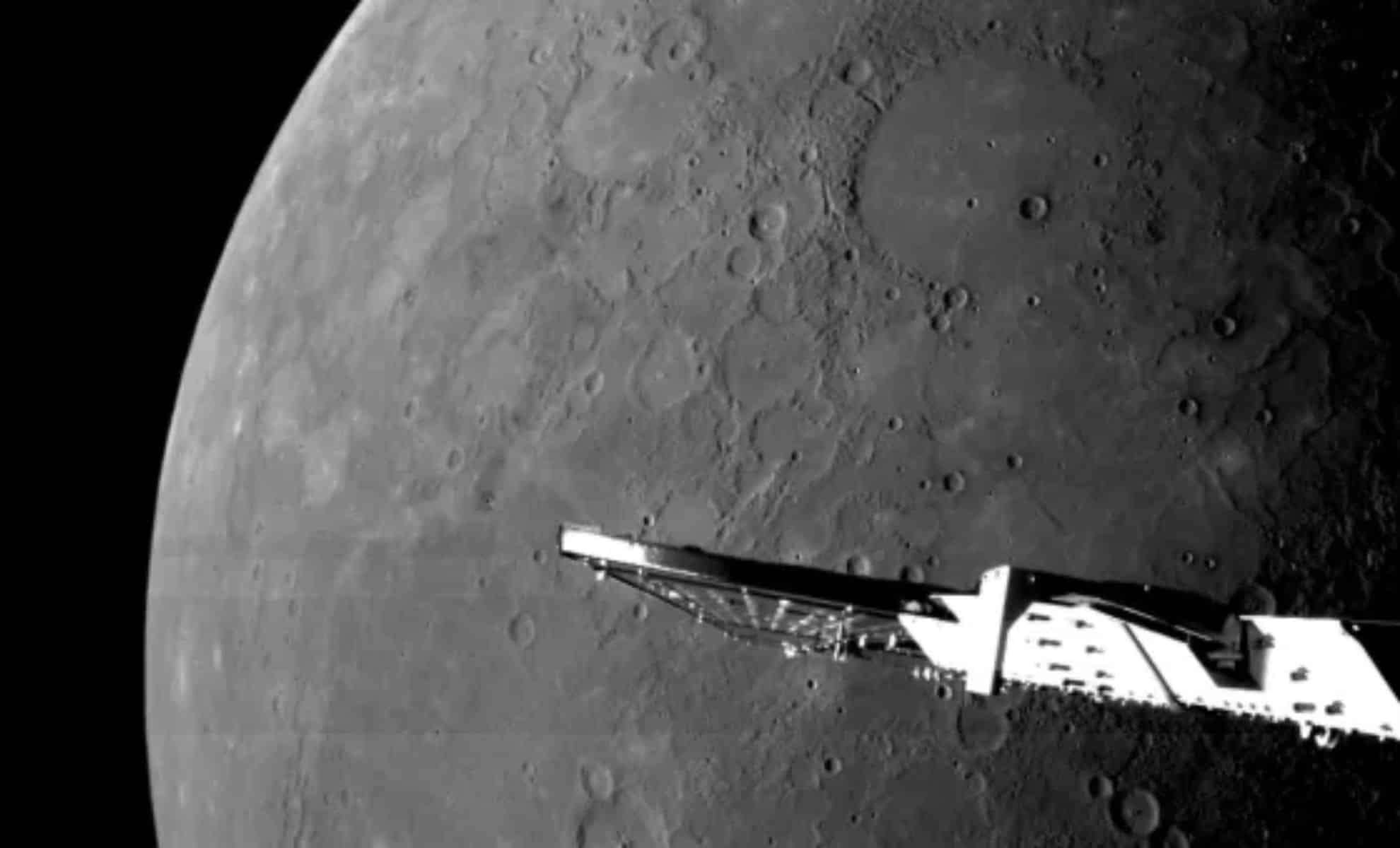
A recent scientific study might have unraveled a long-standing enigma regarding Mercury. For the first time, researchers have possibly identified fragments from the innermost planet of our Solar System found right here on Earth. This discovery could offer unprecedented insights into Mercury, a planet largely inaccessible to direct exploration. Despite numerous challenges, the study highlights two meteorites that may have originated from Mercury, promising new knowledge about the planet's composition.
Overcoming the Hurdles to Explore Mercury
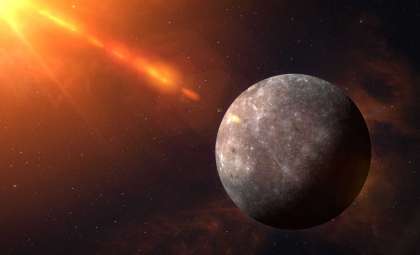
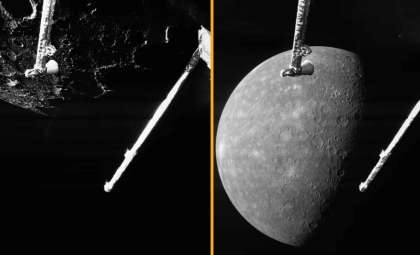
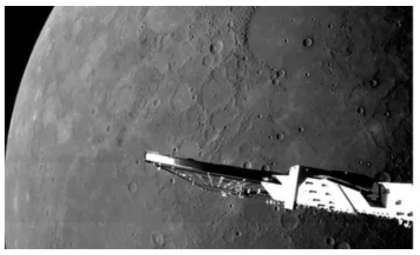
Mercury’s proximity to the Sun makes it one of the most difficult planets to reach. Unlike missions targeting giants like Jupiter or Saturn, spacecraft bound for Mercury require immense energy to counteract the Sun’s strong gravitational pull. Successfully entering Mercury’s orbit demands complicated maneuvers such as multiple planetary flybys to gradually slow down.
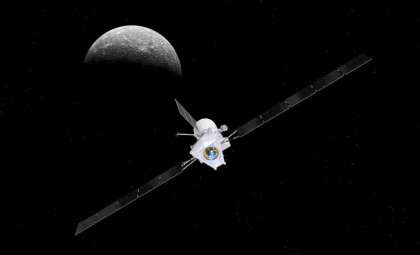
Johannes Benkhoff, the Project Scientist behind the BepiColombo mission, notes, “Navigating to Mercury involves several flybys, which inevitably extends the mission duration.” The extreme temperatures, capable of melting lead, add to the difficulty of studying Mercury’s surface directly. Because of these factors, any material that naturally travels from Mercury to Earth is extremely valuable for scientific research.

Could They Be Meteorites From Mercury?
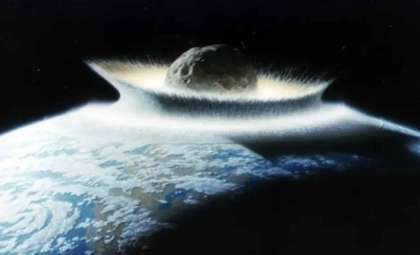
Similar to how impacts on Mars and the Moon eject debris into space, collisions on Mercury could also launch material that eventually reaches Earth. Although the existence of Mercury meteorites has been hypothesized for years, no confirmed samples had been identified—until now.
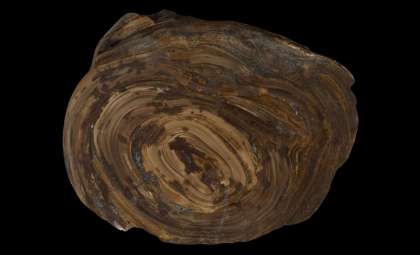
The new research centers on two distinctive meteorites, Ksar Ghilane 022 and Northwest Africa 15915. Scientists propose these rocks may hail from Mercury based on their unique mineralogical and compositional features. Ben Rider-Stokes, a postdoctoral researcher specializing in achondrite meteorites at The Open University, points out that minerals such as olivine and pyroxene in these meteorites share notable resemblances with Mercury’s crustal material. These parallels raise the possibility of a Mercurian origin for the samples.
Examining the Data Closely
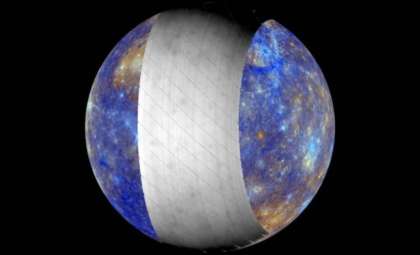
Despite the similarities, these meteorites also present some intriguing discrepancies. For example, they contain only small amounts of plagioclase, whereas Mercury’s surface is estimated to have over 37 percent of this mineral. This difference raises questions about how representative the meteorites are of the planet’s current surface.
Moreover, the meteorites date back 4.528 billion years, predating Mercury’s surface age, which is roughly between 4 and 4.1 billion years old. This chronological gap prompts speculation about materials that may have been altered or lost from Mercury’s crust over time.
NASA planetary scientist Simone Marchi highlights this age gap’s importance, stating, “If Mercury’s oldest visible surface is around 4 to 4.1 billion years old, it suggests that the earliest several hundred million years of the planet’s history have been erased.”
The authors of the study propose that these meteorites could represent primordial material from Mercury’s early days that no longer remains on its surface.
Insights From the BepiColombo Mission
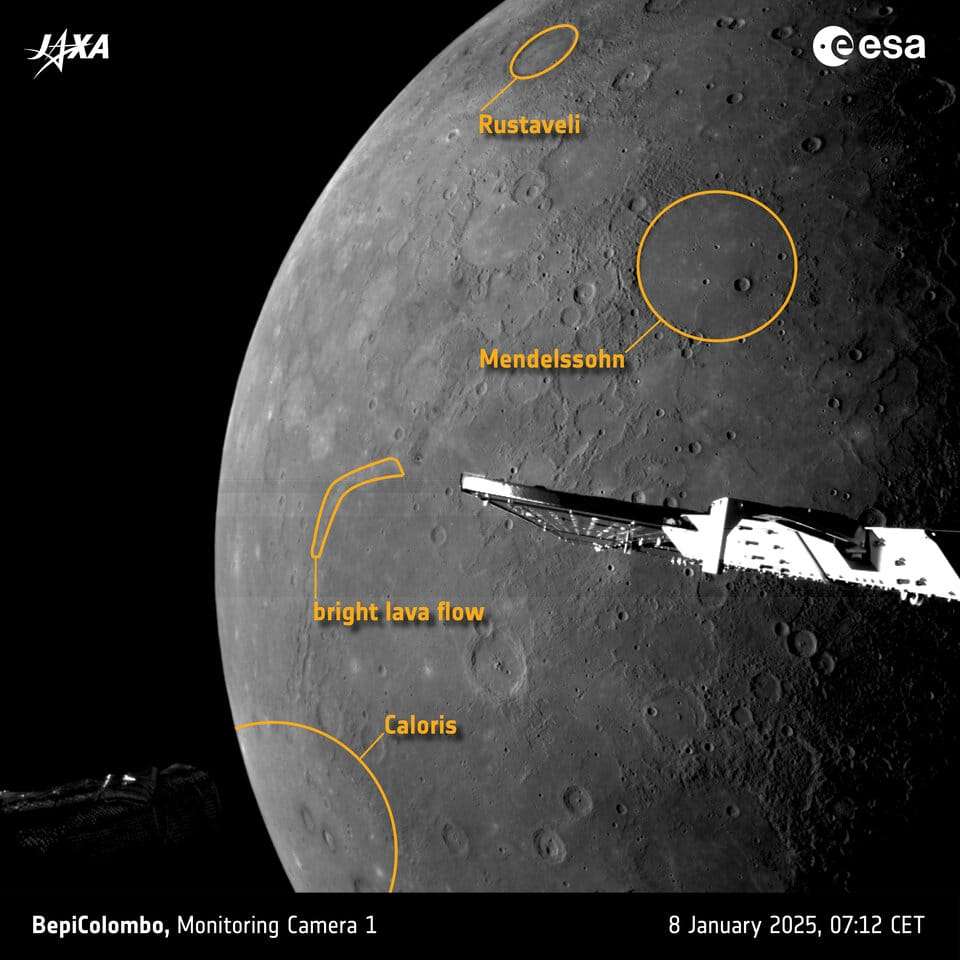
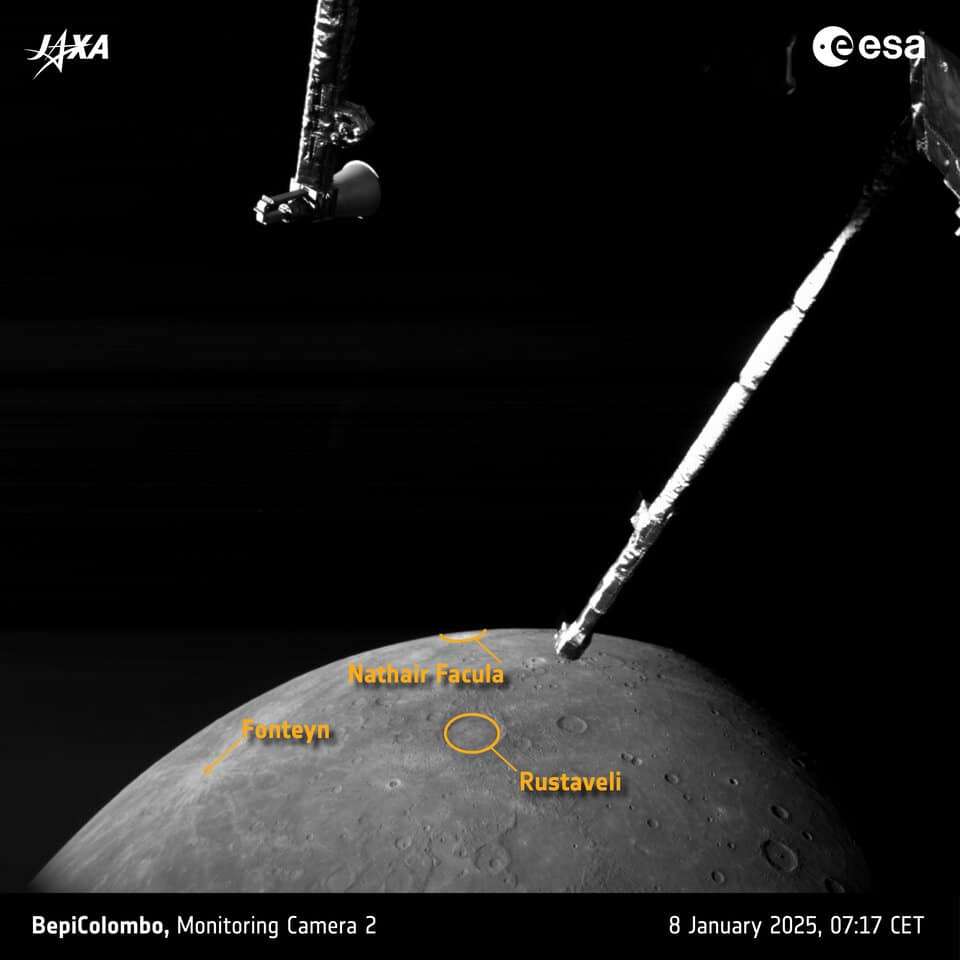
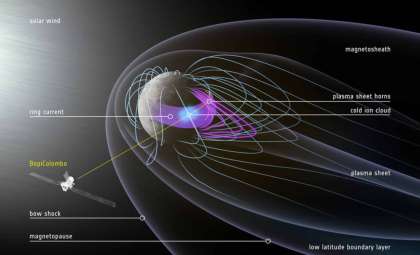
While these results are promising, definitive confirmation that these meteorites originated from Mercury requires additional research. The BepiColombo mission, set to arrive in Mercury’s orbit in 2026, will conduct comprehensive surface analyses, offering higher resolution data about the planet’s geology. Such data could verify if meteorites like NWA 15915 and KG 022 are indeed Mercurian.
Until further evidence emerges, the connection between these meteorites and Mercury remains an intriguing possibility. With upcoming missions, scientists are optimistic about deepening our understanding of the Solar System’s smallest planetary neighbor.
- Categories:
- News


0 comments
Sign in to Comment