
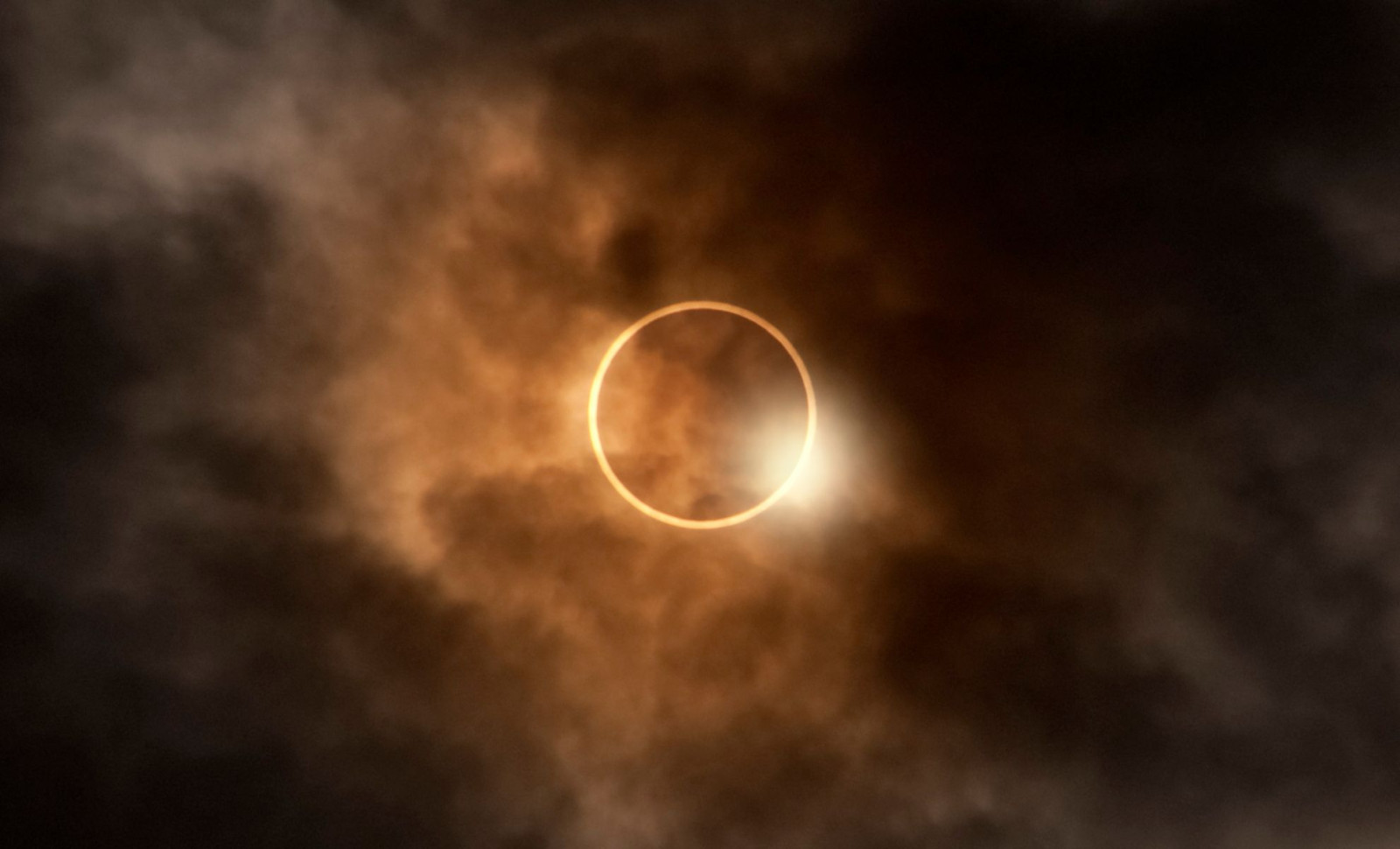
If the Sun were to suddenly disappear, Earth wouldn’t notice the loss immediately. However, within minutes, the planet would undergo swift and irreversible changes: darkness would envelop the surface, temperatures would plummet, and vital processes sustaining life would begin to fail.
For roughly 4.6 billion years, the Sun has been the key force shaping Earth's environment, stabilizing its orbit and fueling climate and biological systems. Without sunlight, life-supporting conditions would degrade rapidly.
This hypothetical event, frequently explored by scientists, underscores humanity’s profound reliance on the Sun. The ramifications would unfold quickly on a human timescale and impact the entire globe.

Life Continued for Eight Minutes Before Total Darkness
Initially, Earth would appear unchanged. Since sunlight needs around 8 minutes and 20 seconds to reach the planet, daylight would persist during this interval. Afterward, complete darkness would fall.
Timothy Cronin from MIT told Live Science that people would have no prior warning. The Moon, reflecting sunlight, would vanish from view, leaving only distant stars illuminated.
Simultaneously, Earth would lose the Sun’s gravitational pull. As noted in the same report, the planet would cease orbiting and instead drift straight through space alongside other solar system objects.
Collapse of Photosynthesis and Ecosystems
Without sunlight, the base of life’s energy would disappear immediately. Photosynthesis would halt, removing energy sources for plants and many microbes. Michael Summers of George Mason University explains that most plants lacking artificial light would perish rather quickly. He elaborated:
Some “might stay dormant for weeks to months, like they do in the wintertime, eventually all photosynthetic organisms would die.”
Following plant death, animals would face food shortages, triggering breakdowns of food chains. Although fungi might briefly flourish feeding on dead matter, their survival would be fleeting as temperatures continue to fall.
Rapid Drop to Near-Absolute Zero Temperatures
Earth’s temperature would plunge without solar heat, with estimates of a daily decline around 20°C (36°F), based on information shared with Live Science.
Within days, most regions would freeze solid. Smaller bodies of water would become ice within a week, while vast lakes might take longer. Oceans, insulated by their depth, could retain liquid water for years or decades.
Certain deep-sea zones warmed by geothermal energy might maintain liquid water far longer, offering rare sanctuaries for some forms of life.
Over long periods, Earth would continue cooling toward the cosmic microwave background temperature near −270°C (−454°F), the residual radiation from the Big Bang.
Life Surviving Only in Restricted Shelters
As the Earth's surface becomes unlivable, most life forms would perish. Human survival would hinge on access to secure, controlled habitats powered by alternative energy.
“It’s conceivable that people could survive underground in caves, sustained by geothermal or nuclear energy, with plants grown under artificial lighting,” Cronin remarked, “but this would be an extinction event to make all others look puny.”
Meanwhile, microbial life within deep ocean vents might persist, as these ecosystems rely on Earth’s internal heat rather than sunlight.
- Categories:
- Science










0 comments
Sign in to Comment