

Along the Llobregat River basin in Catalonia, archaeologists have identified a distinctive artifact repeatedly discovered across several Neolithic sites. These objects, crafted from the shells of large marine snails, were fashioned into functional sound instruments capable of generating loud, clear tones.
Although initially mistaken for ornamental or ceremonial pieces, these ancient shell trumpets exhibit well-preserved acoustic properties. Many are still playable, producing deliberate notes with volumes surpassing 100 decibels. Such sound levels would have allowed the instruments to resonate across open terrain, valleys, and even underground areas.
This evidence supports a compelling theory: early farming communities in northeastern Iberia possibly utilized these shells as acoustic communication tools to coordinate activities over distances, issue warnings, or keep in touch across remote working locations.

Powerful Acoustic Shell Instruments Distributed Regionally
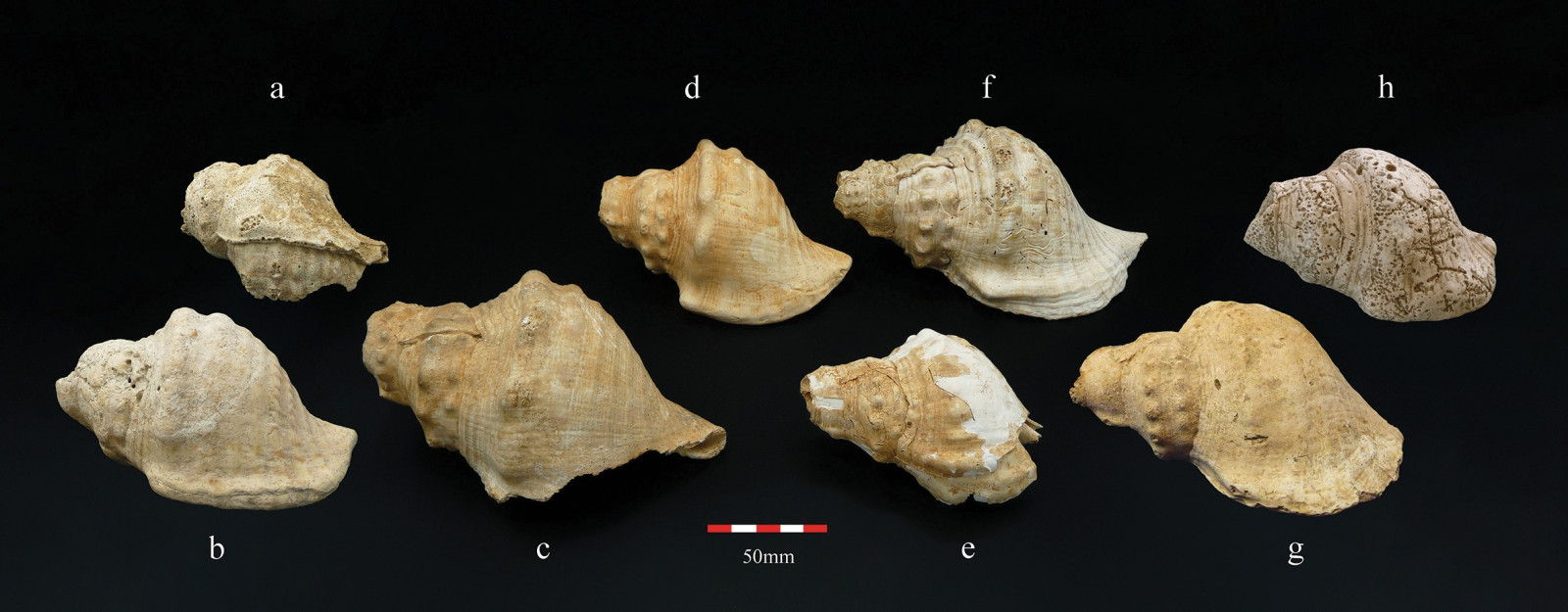
A rigorous peer-reviewed article in Antiquity presents the first comprehensive archaeoacoustic evaluation of twelve Neolithic shell horns from five Catalonian sites. Researchers confirmed eight of these instruments, made from Charonia lampas—a sizable sea snail native to the Mediterranean—still function acoustically despite being over 6,000 years old.
The study revealed that the best-preserved shells emitted steady notes with sound pressure levels reaching up to 111.5 decibels at one meter away, comparable to a car horn or trombone. According to the team, such intensity would have made these shells ideal for long-distance acoustic signalling, particularly in areas with limited visual range.
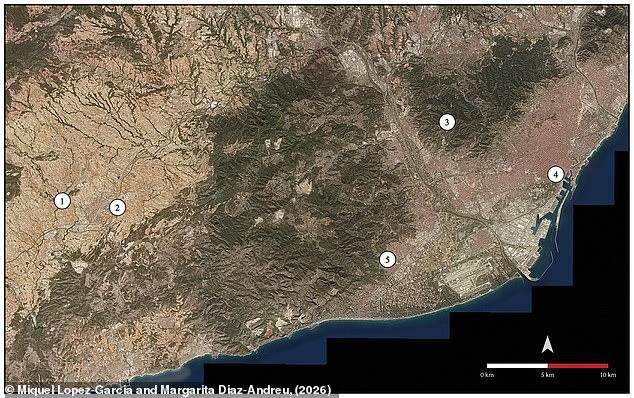
All horns were discovered within approximately 10 kilometres along the Llobregat corridor, a region marked by dense Neolithic activity and extensive cultural interaction. Some shells were retrieved from open-air farming settlements, others from mining tunnels where variscite—a prized green mineral—was extracted, and one was found in a high-altitude cave overlooking steep terrain.
The consistent manufacturing style and tight geographic distribution indicate these instruments were part of a localized cultural tradition involving sound-based communication. They span the Postcardial (4690–3800 BC) and Middle Neolithic (4250–3150 BC) phases, implying usage across several generations.
Craftsmanship and Sound Quality
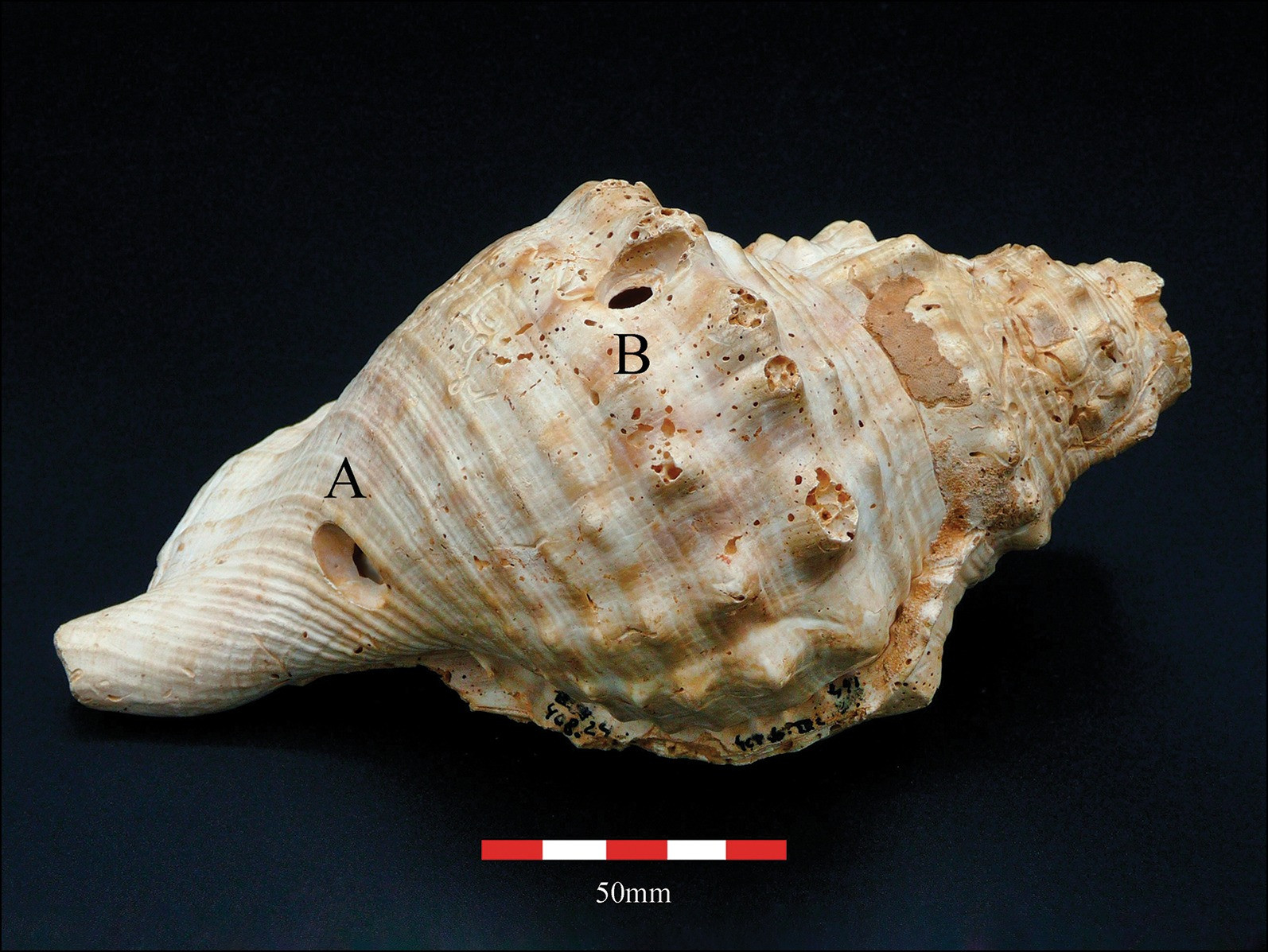
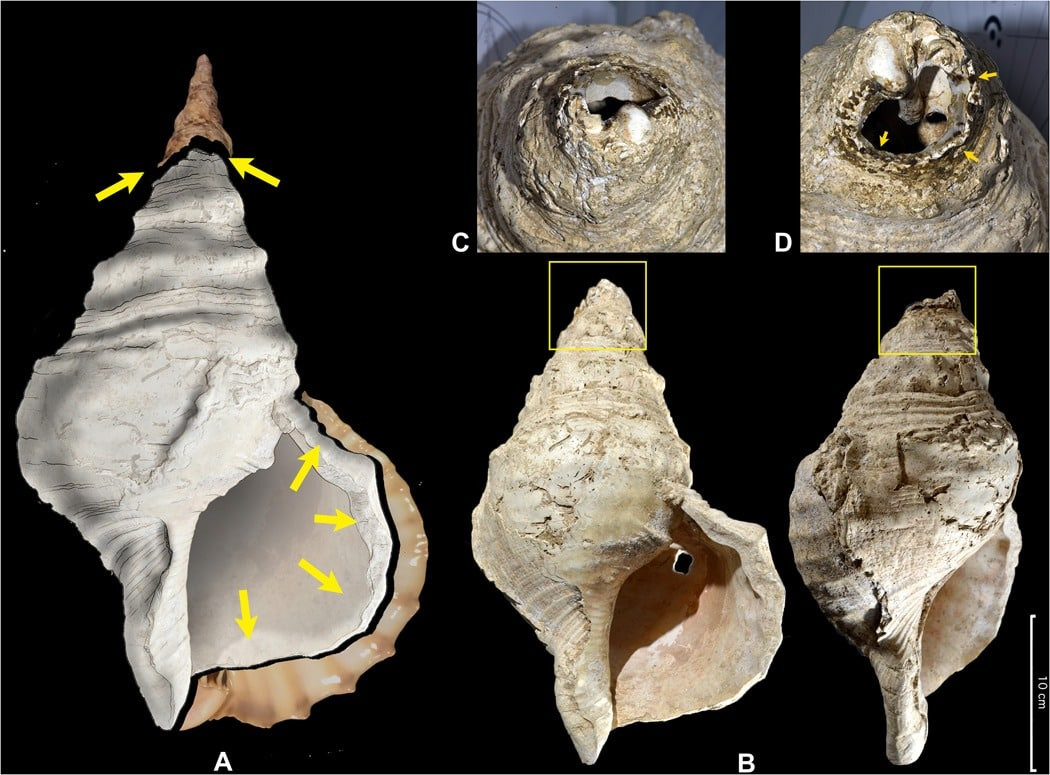
The shells were meticulously altered by removing the tip to create a mouthpiece roughly 20 millimetres wide. This dimension was clearly chosen to produce stable pitches and consistent tonal output, denoting purposeful design for sound production.
Evidence of biological wear—such as sponge boreholes and worm traces—suggests the shells were collected deceased from the seafloor rather than harvested alive. This points to a deliberate selection based on their sound qualities instead of nutritional value.
Acoustic experiments were performed under controlled settings, evaluating qualitative performance along with precise measurements of fundamental frequency, harmonic range, and volume. Lead researcher Miquel López-García, a professional trumpeter and archaeologist, demonstrated the instruments’ capabilities.
Several of the horns yielded multiple notes—up to three distinct tones including intervals of an octave and a fifth above the base pitch. Harmonic analysis confirmed these well-preserved trumpets produced expected overtone series typical of conical wind instruments. Some responded to player embouchure adjustments, suggesting potential for melodic expression beyond fixed signals.
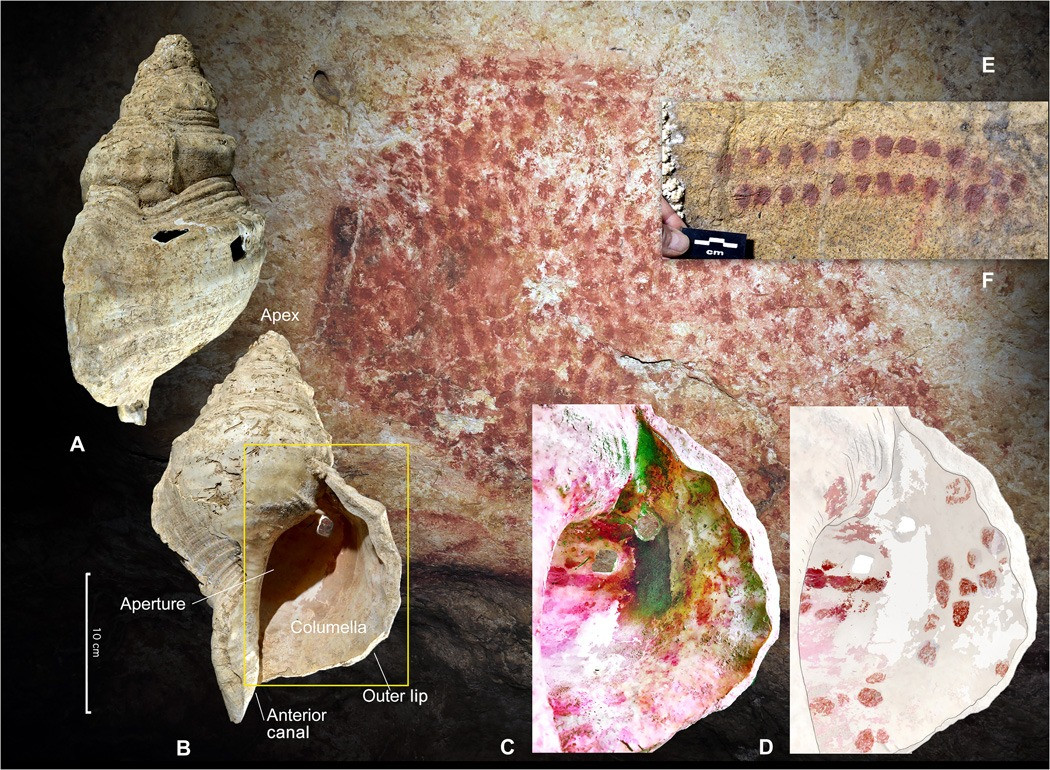
Similar archaeoacoustic studies on other ancient shells, such as the Upper Paleolithic conch from Marsoulas Cave in France, have also revealed deliberate acoustic modifications intended for sound production.
Communication and Signalling in Farming and Mining Contexts
The spatial proximity of the sites combined with the instruments’ acoustic range suggests their use in long-distance communication connecting farming settlements. They may have helped coordinate agricultural efforts, issue alerts, or maintain contact over widely spread work areas.
The trumpets found in the Neolithic mines of Can Tintorer and Espalter hint at a specialized role underground. Since these tunnels run deep and are visually constrained, the horns could have served as auditory signals in the dark, echo-prone environment. Some instruments bear small holes likely intended for straps, though these did not impact sound quality.
Co-author Margarita Díaz-Andreu from the University of Barcelona suggested these horns may have been used “for signalling dangers in the mine or communication in a dark and highly resonant environment,
- Categories:
- Science












0 comments
Sign in to Comment