
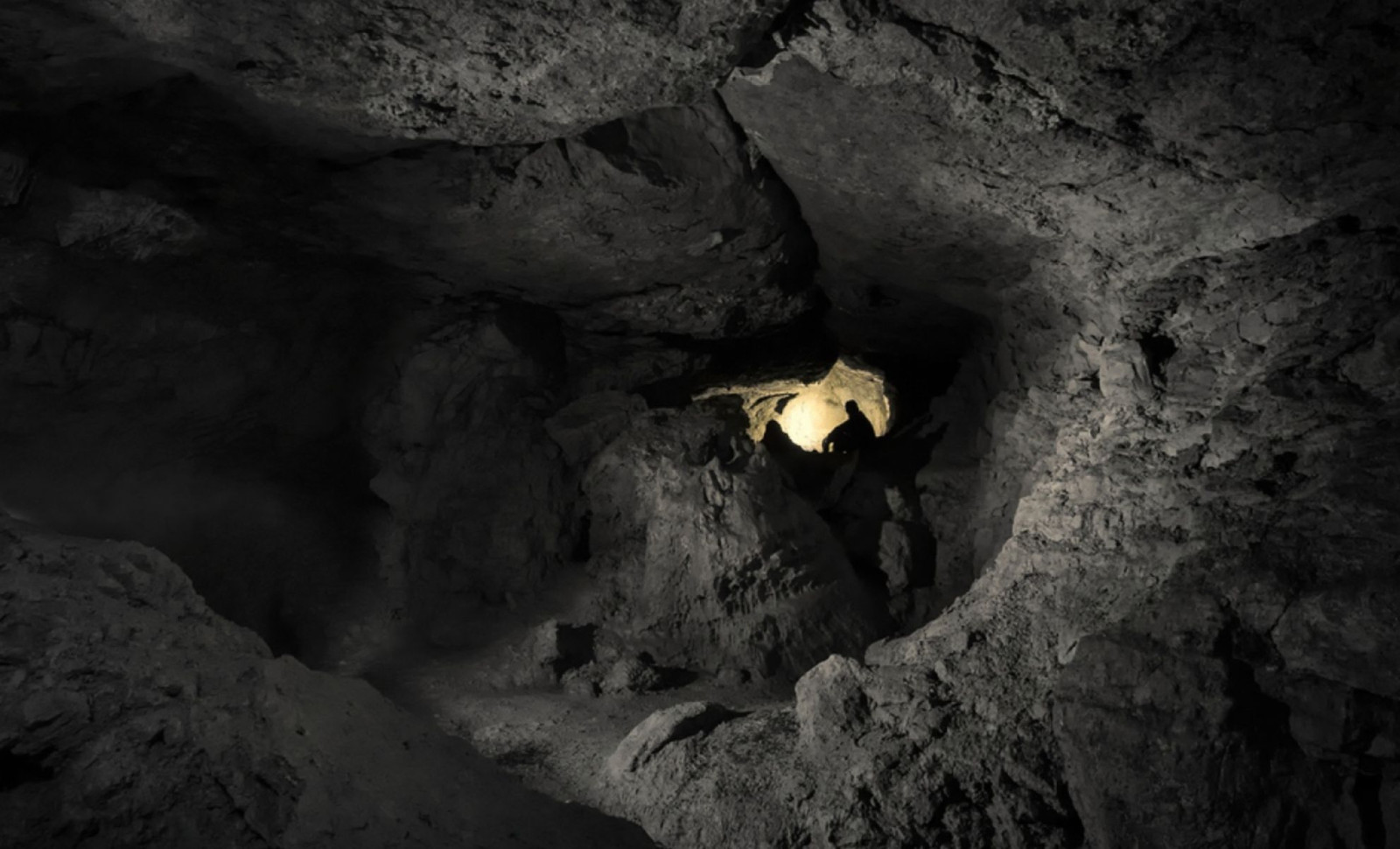
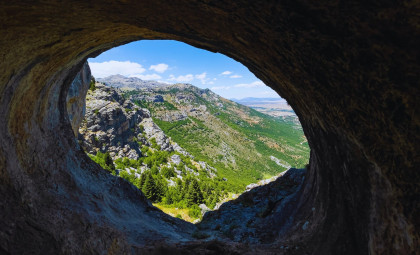
Deep beneath the deserts of Saudi Arabia, lava tube caves are exposing signs of human presence dating back thousands of years. At the site of Umm Jirsan, archaeologists have identified evidence of multiple settlements spanning from the Neolithic to the Bronze Age.
The challenging arid climate of Arabia has historically led to poor preservation of archaeological materials, as wind and heat degrade delicate remains. However, recent findings suggest that subterranean environments like these caves act as natural preservers, safeguarding historical evidence that would otherwise vanish.
Spearheaded by Griffith University’s Australian Research Centre for Human Evolution (ARCHE), this study sheds light on previously overlooked underground locations. The ongoing work is helping to unravel how ancient communities navigated, adapted to environmental changes, and maintained widespread networks throughout the region.

A Key Resting Place Along Ancient Livestock Paths
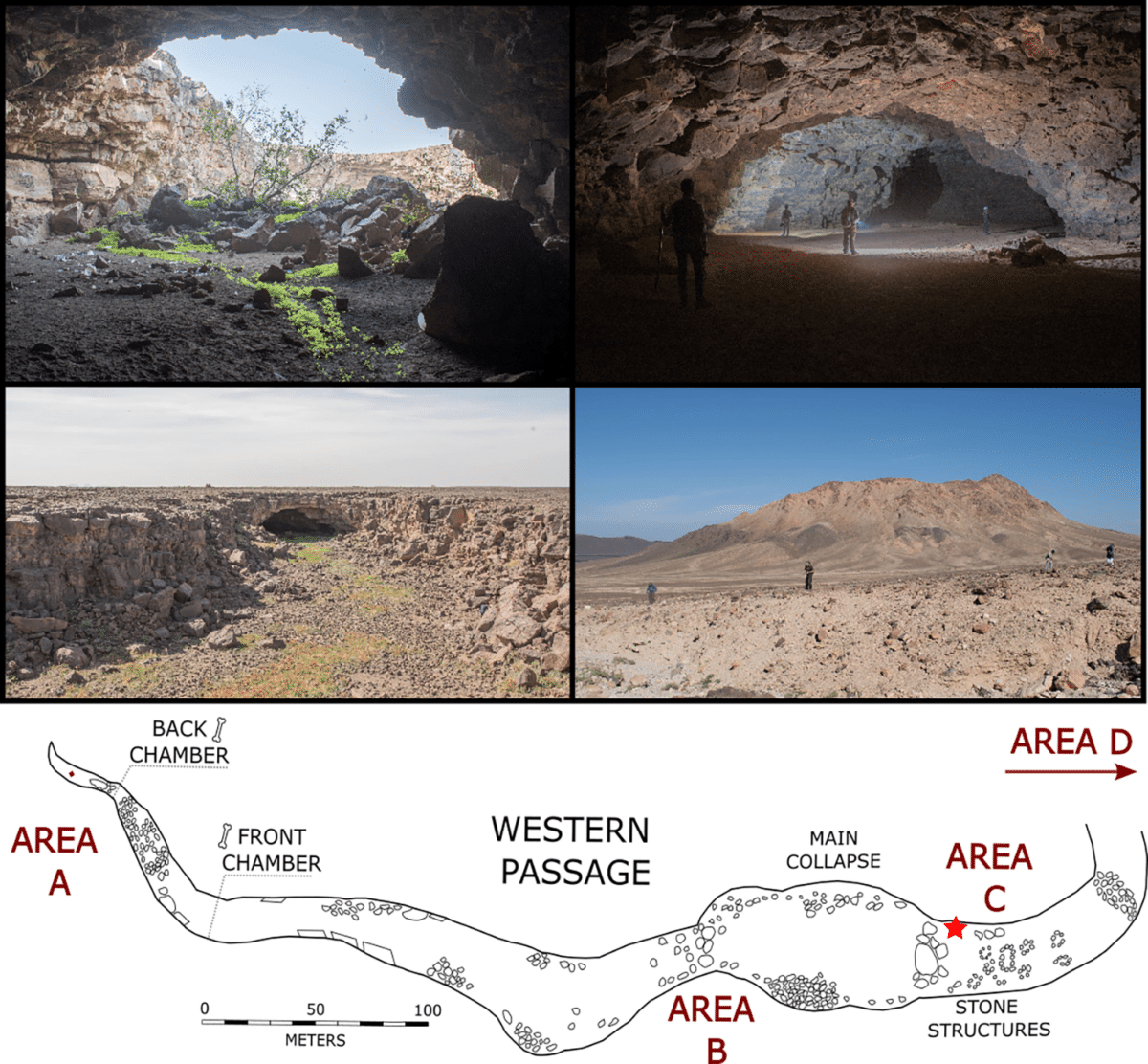
Experts have determined that Umm Jirsan, a vast lava tube positioned about 125 kilometers north of Medina, was a recurrent sanctuary for pastoralists and their herds for nearly 7,000 years. There is compelling evidence that the cave was revisited across generations. Dr. Mathew Stewart explains:
“Our findings at Umm Jirsan provide a rare glimpse into the lives of ancient peoples in Arabia, revealing repeated phases of human occupation and shedding light on the pastoralist activities that once thrived in this landscape.”
He further notes the cave’s function as a critical stopover site, facilitating movement between oases and supporting mobile livestock herding practices.
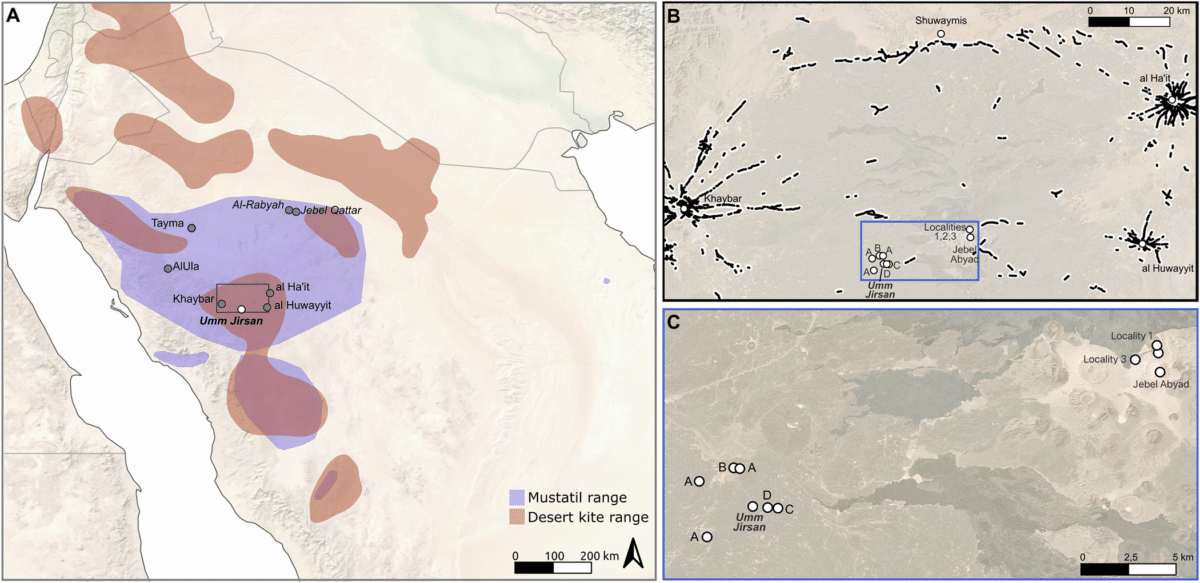
Within the lava tubes, petroglyphs illustrate animals such as cattle, sheep, goats, and dogs. Together with animal bones uncovered onsite, these findings portray a lifestyle centered around livestock mobility.
Skeletal Remains Reveal Insights into Lifestyle and Environment
Animal bones excavated at the site provide additional clues about the local landscape. As detailed in the PLOS ONE publication, isotopic testing indicates that the animals grazed predominantly on indigenous wild grasses and shrubs.
The human diet also evolved incrementally. While protein consumption stayed important, there is emerging data revealing increased intake of C3 plants, pointing to the gradual development of oasis-based farming rather than a rapid agricultural shift.
Underground Caves Reveal Arabia’s Hidden Past
This discovery has broader implications beyond the solitary Umm Jirsan site. Professor Michael Petraglia remarks that it marks the first-ever extensive archaeological investigation of lava tubes within Saudi Arabia.
“While underground localities are globally significant in archaeology and Quaternary science, our research represents the first comprehensive study of its kind in Saudi Arabia.” He also said that “these findings underscore the immense potential for interdisciplinary investigations in caves and lava tubes, offering a unique window into Arabia’s ancient past.”
Caves like Umm Jirsan act as natural time capsules, keeping intact archaeological evidence that is rarely preserved on the surface due to harsh environmental factors.
- Categories:
- Science






0 comments
Sign in to Comment