
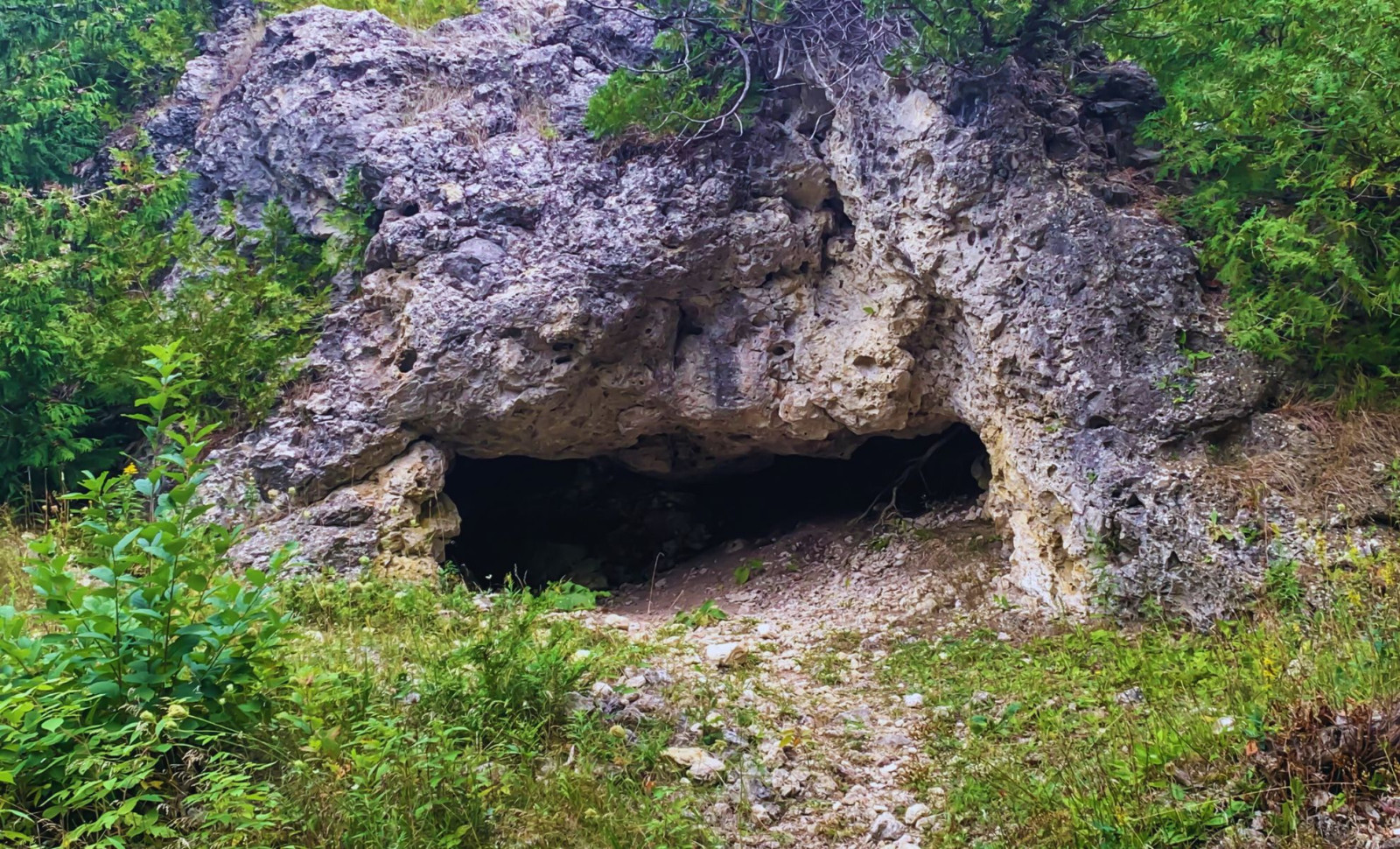
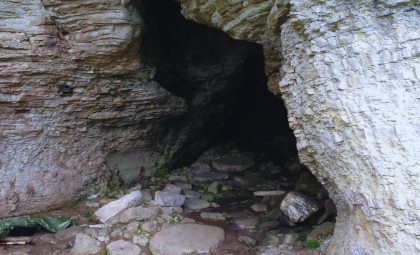
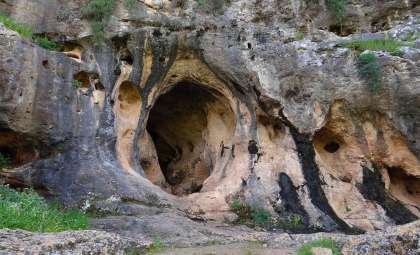
Deep inside a limestone cavern in northern Greece, the Petralona skull has puzzled researchers for years. Encased within rock and mineral deposits, this fossilized cranium resists clear placement within established human lineage categories. Since its discovery in the 1960s, scientists have debated which hominin species it represents.
The Petralona skull stands out not only due to its antiquity but also because of its puzzling anatomical traits. Initially believed to be either Homo erectus or a type of Neanderthal, further studies found it lacked definitive characteristics associated with those classifications.
A Fossil That Defies Easy Identification
At first, experts proposed the skull belonged to Homo erectus or an archaic Homo sapiens form. Yet detailed analysis showed its features don’t perfectly align with either group. As Professor Chris Stringer from London’s Natural History Museum explains:

“Morphologically, they [the Petralona skull and the one from Zambia] belong together, and dating-wise they seem to be close too,” he said.
Complexities in Dating the Fossil
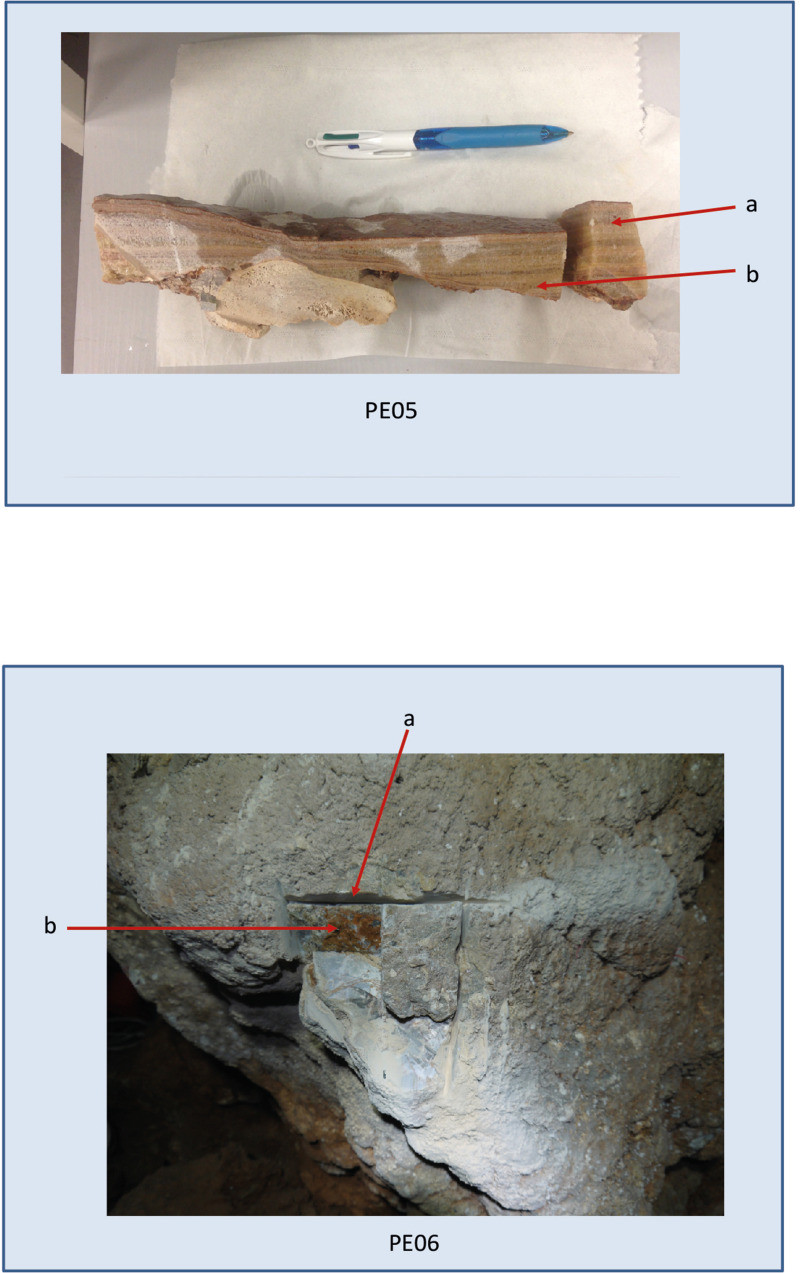
Determining the precise age of the Petralona skull has challenged scientists, as conventional dating techniques struggled with the calcite encasing the fossil. Initially, age estimates ranged broadly between 170,000 and 700,000 years. However, in 2025, uranium-series dating applied to the calcite yielded more accurate results.
According to the findings in the Journal of Human Evolution, the skull’s minimum age is now established at about 286,000 years, positioning it close in time to a Zambian fossil attributed to Homo heidelbergensis. As Professor Stringer remarked:
“If the calcite on the fossil developed very quickly after the fossil was deposited in the cave, then our age of about 288,000 to 290,000 is a good age for the fossil.”
New Perspectives on Early Human Connections
This remarkable skull has reopened debates around the relationships between early human groups in Europe and Africa. Although its exact species remains ambiguous, its anatomical features imply greater connectivity among early human populations than previously recognized.
Research published in 2025 indicates that similarities between the Petralona and Zambian skulls support the idea of a shared ancestor across European and African hominin groups. This evidence challenges the longstanding view that these populations evolved in isolation, instead highlighting migration and interaction as key factors shaping the evolution of groups such as Neanderthals and Homo sapiens. Stringer commented:
“We’ve known for a while that human evolution was complex… But it’s even more diverse than we thought, with many different experiments in how to be human. We’re just the only survivors, of course.”
- Categories:
- Science




0 comments
Sign in to Comment