
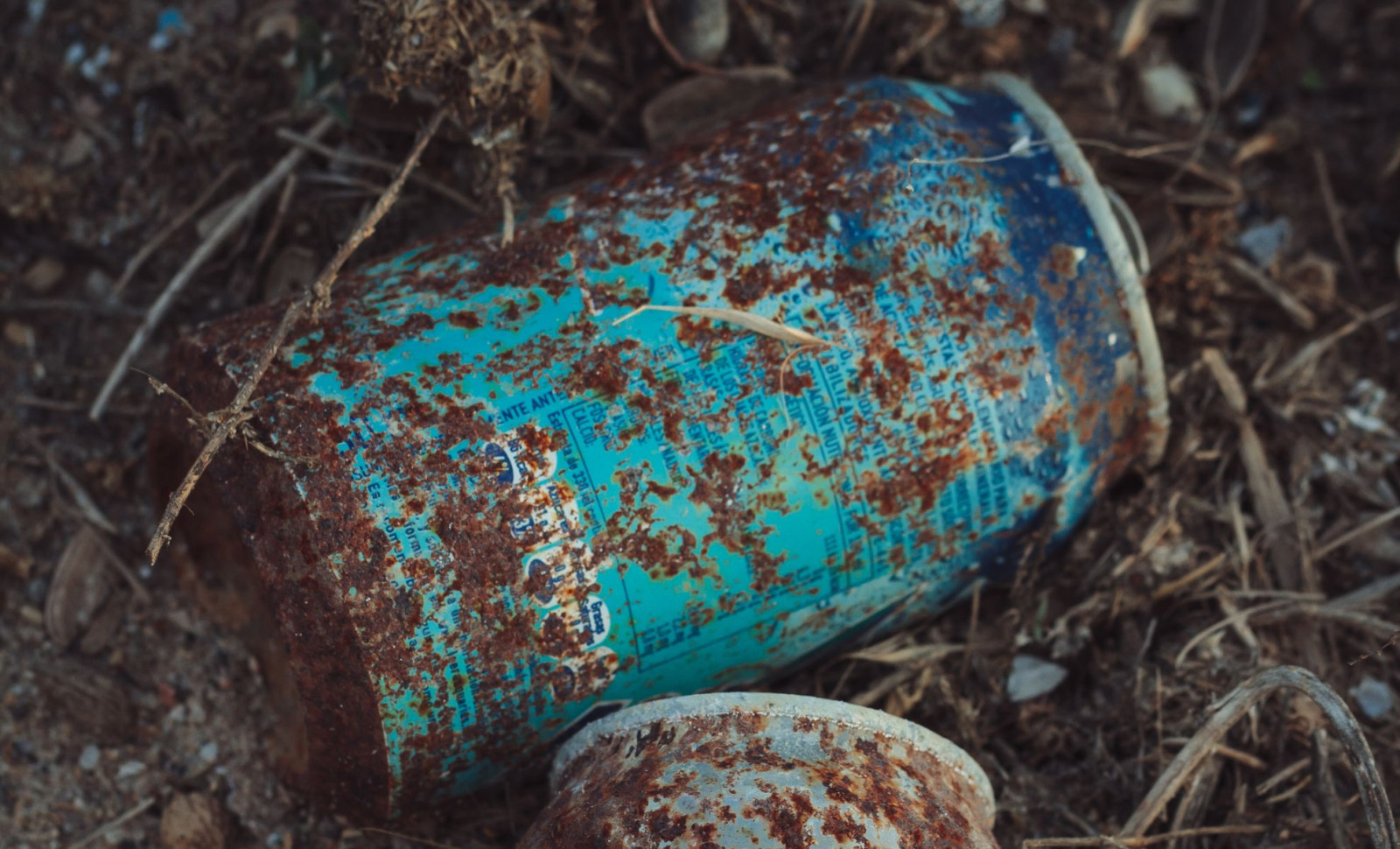
Long-forgotten canned salmon has unexpectedly become a valuable resource for tracking marine parasite trends over the past four decades. What was once considered outdated stock is now aiding scientists in understanding shifts in ocean ecosystems.
The study, featured in Ecology and Evolution, was sparked when the Seattle Seafood Products Association provided researchers at the University of Washington with salmon cans dating back to the 1970s. Originally preserved for quality testing, these cans contained preserved biological traces that serve as windows into past marine environments.
Unearthing a 42-Year Timeline from Salmon Cans
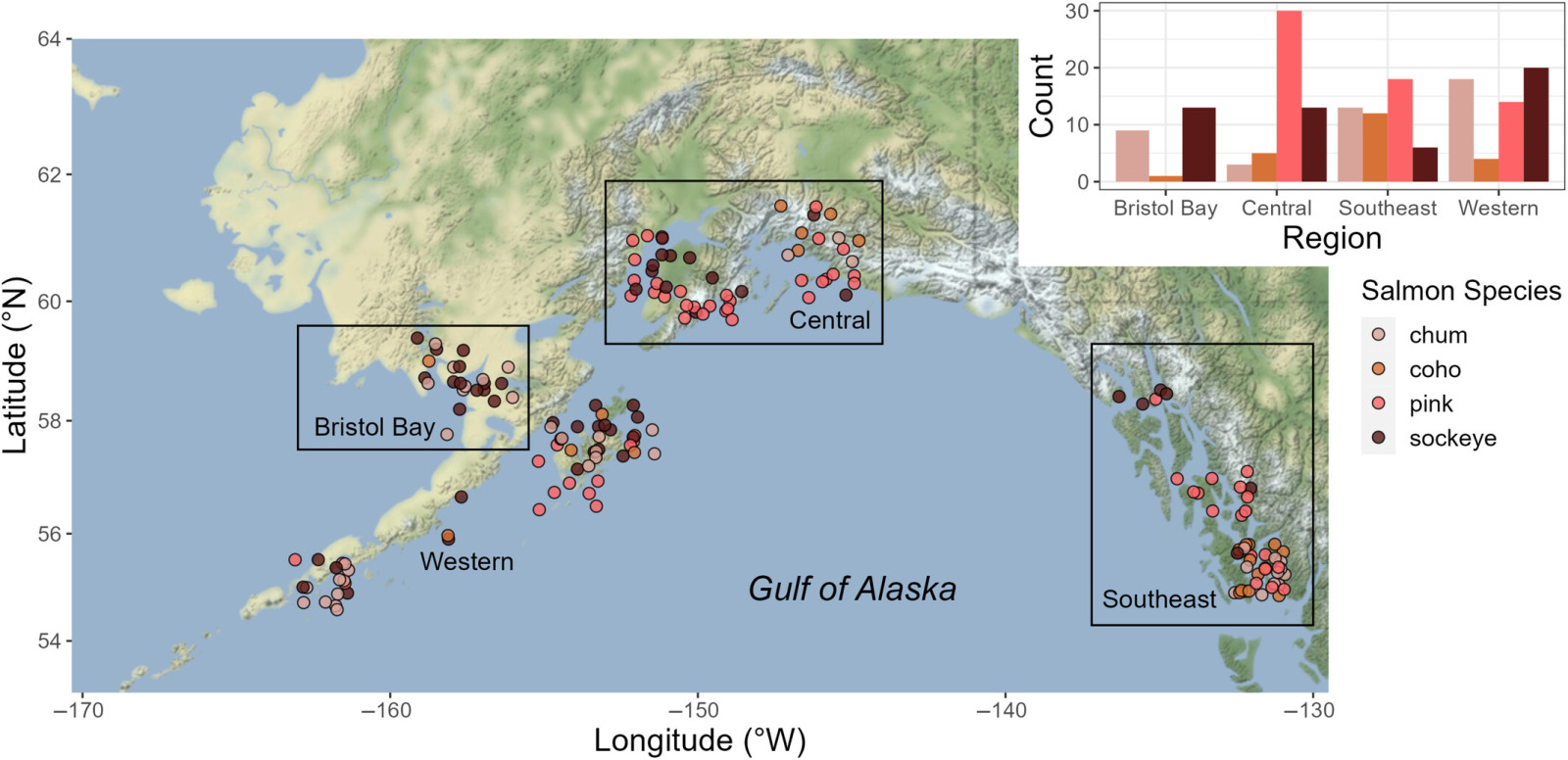
Scientists examined 178 canned samples from four salmon species—chum, coho, pink, and sockeye—harvested from the Gulf of Alaska and Bristol Bay between 1979 and 2021. Each can acted as a frozen snapshot capturing ecological data from its respective era.

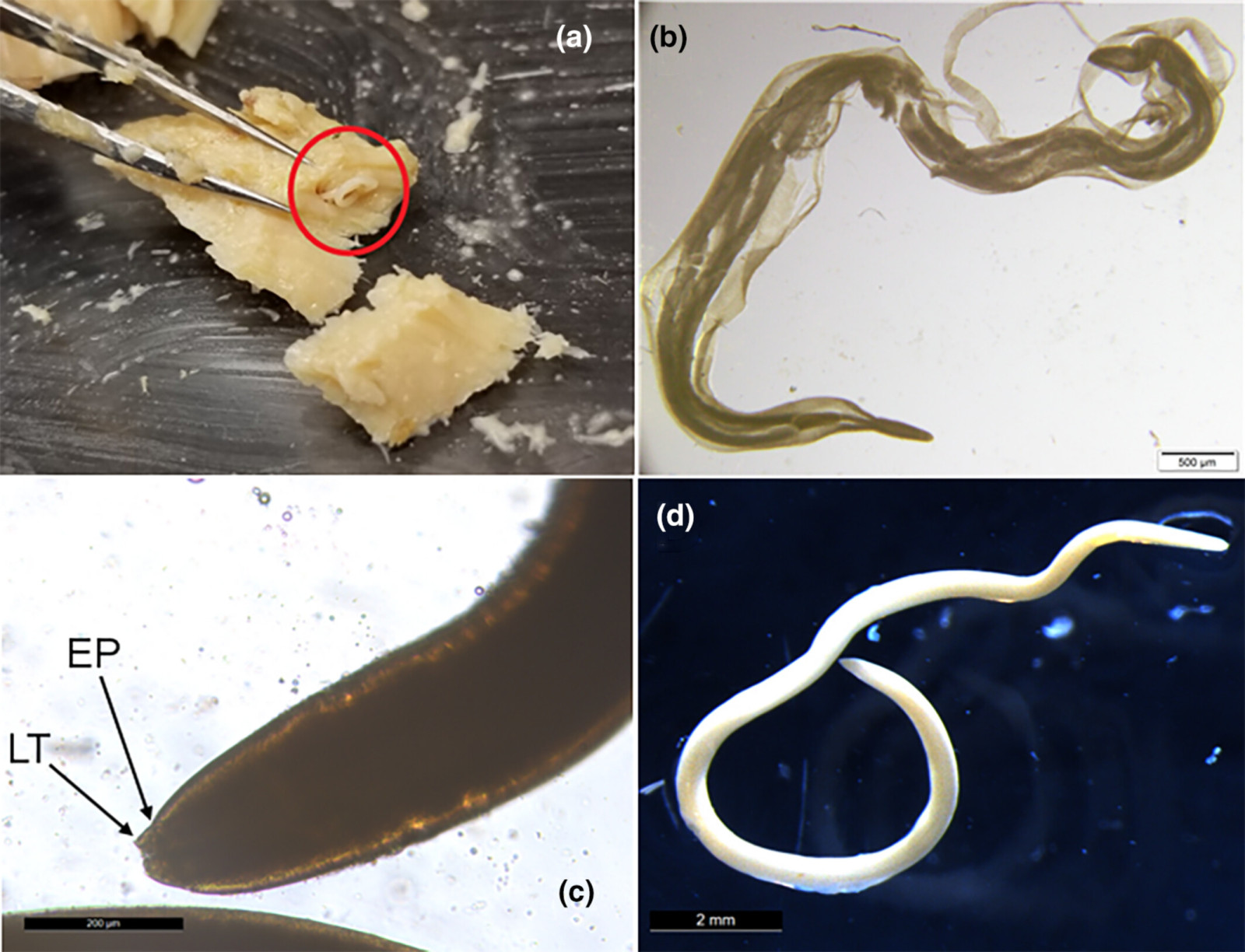
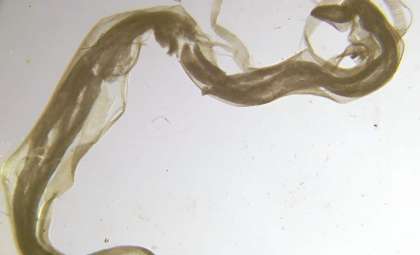
Despite the canning process damaging some parasites, the researchers successfully identified and enumerated anisakid nematodes, marine worms approximately one centimeter in length.
As detailed in a 2024 publication, they calculated worm density per gram of salmon, enabling consistent comparisons over time. While not flawless, the dataset provided dependable insight into parasite prevalence.
The Importance of Monitoring These Marine Worms
Anisakid parasites depend on a lifecycle involving several hosts like krill, fish, and marine mammals. Completion of their lifecycle indicates the ongoing presence of all necessary species.
“But the anisakid life cycle integrates many components of the food web. I see their presence as a signal that the fish on your plate came from a healthy ecosystem,” said the parasite ecologist, Chelsea Wood, when the study came out.
Though these worms might seem unappealing, they pose no risk to people once the salmon is prepared correctly.
Different Salmon Species Show Divergent Parasite Trends
Over time, parasite levels rose in chum and pink salmon while remaining consistent in coho and sockeye varieties. Lead author Natalie Mastick explained that the increase indicates the parasites were thriving and reproducing, implying that all required host species were present.
“Seeing their numbers rise over time, as we did with pink and chum salmon, indicates that these parasites were able to find all the right hosts and reproduce,” she added in an university statement, ” That could indicate a stable or recovering ecosystem, with enough of the right hosts for anisakids.”
The stable parasite levels in coho and sockeye salmon are harder to interpret. The worms could only be classified at the family level, limiting species-specific insights. The researchers suggest that different anisakid species might infect different salmon types, resulting in the contrasting patterns observed.
- Categories:
- Science








0 comments
Sign in to Comment