
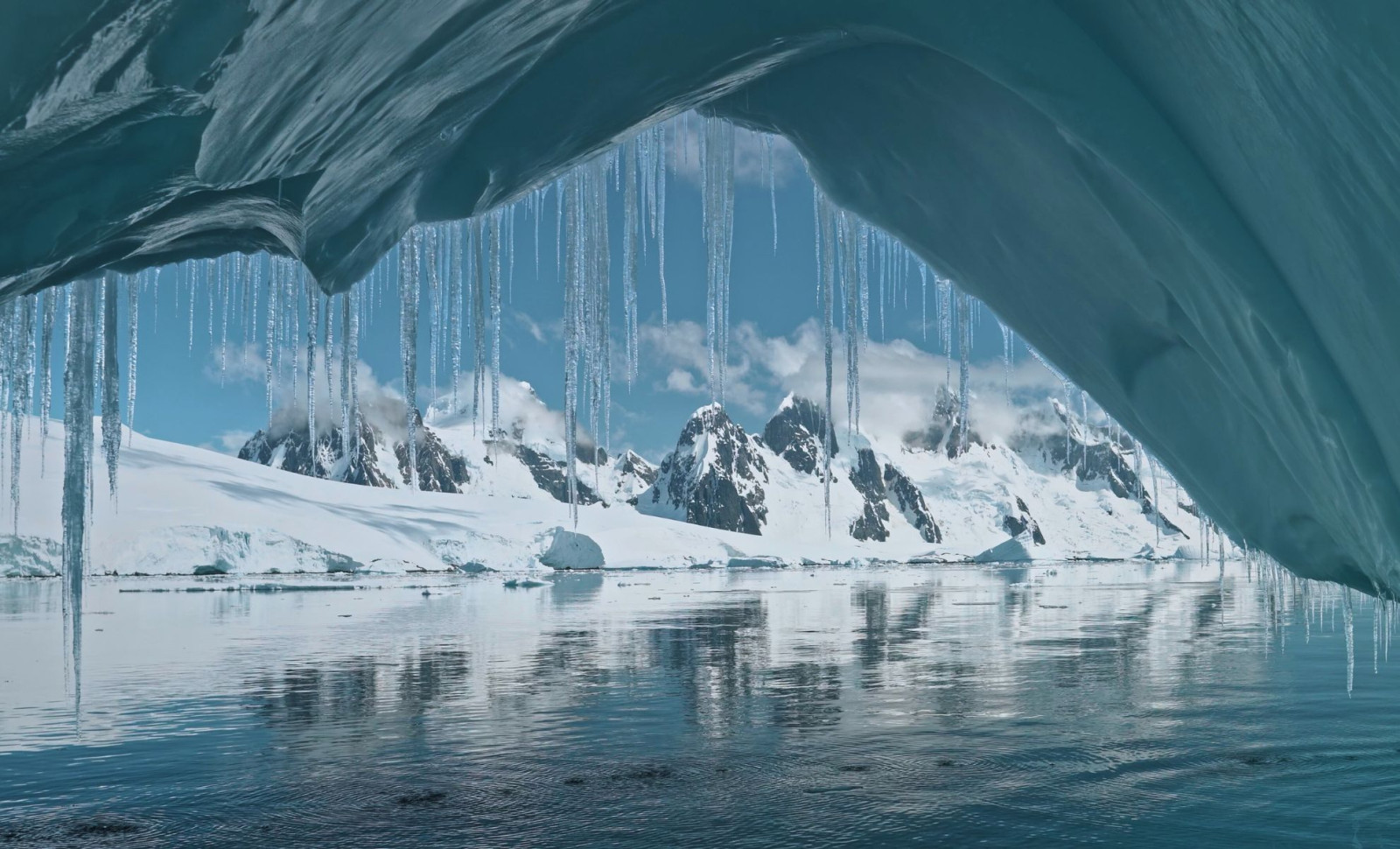
Researchers have uncovered the planet’s oldest fossilized forms of life—microbial traces dating back 3.7 billion years—within Greenland’s Isua Greenstone Belt. This groundbreaking finding indicates that life arose swiftly in Earth’s formative years, challenging earlier timelines about when life first appeared.
The international team, comprising experts from Australia and the United Kingdom, extended the fossil record by approximately 220 million years. These ancient remains emerged from rocks recently exposed as melting snow patches reveal new outcrops. The discovery suggests that early microbial life was more varied and sophisticated than previously understood.
Astonishing New Evidence of Earth’s First Life Forms
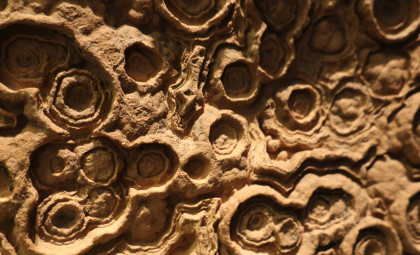
Located at the edge of Greenland’s icy expanse, the Isua Greenstone Belt yielded fossilized stromatolites—layered structures created by microbial mats—in shallow ocean environments. The lead researcher, Professor Allen Nutman from the University of Wollongong, and his team made this significant discovery.

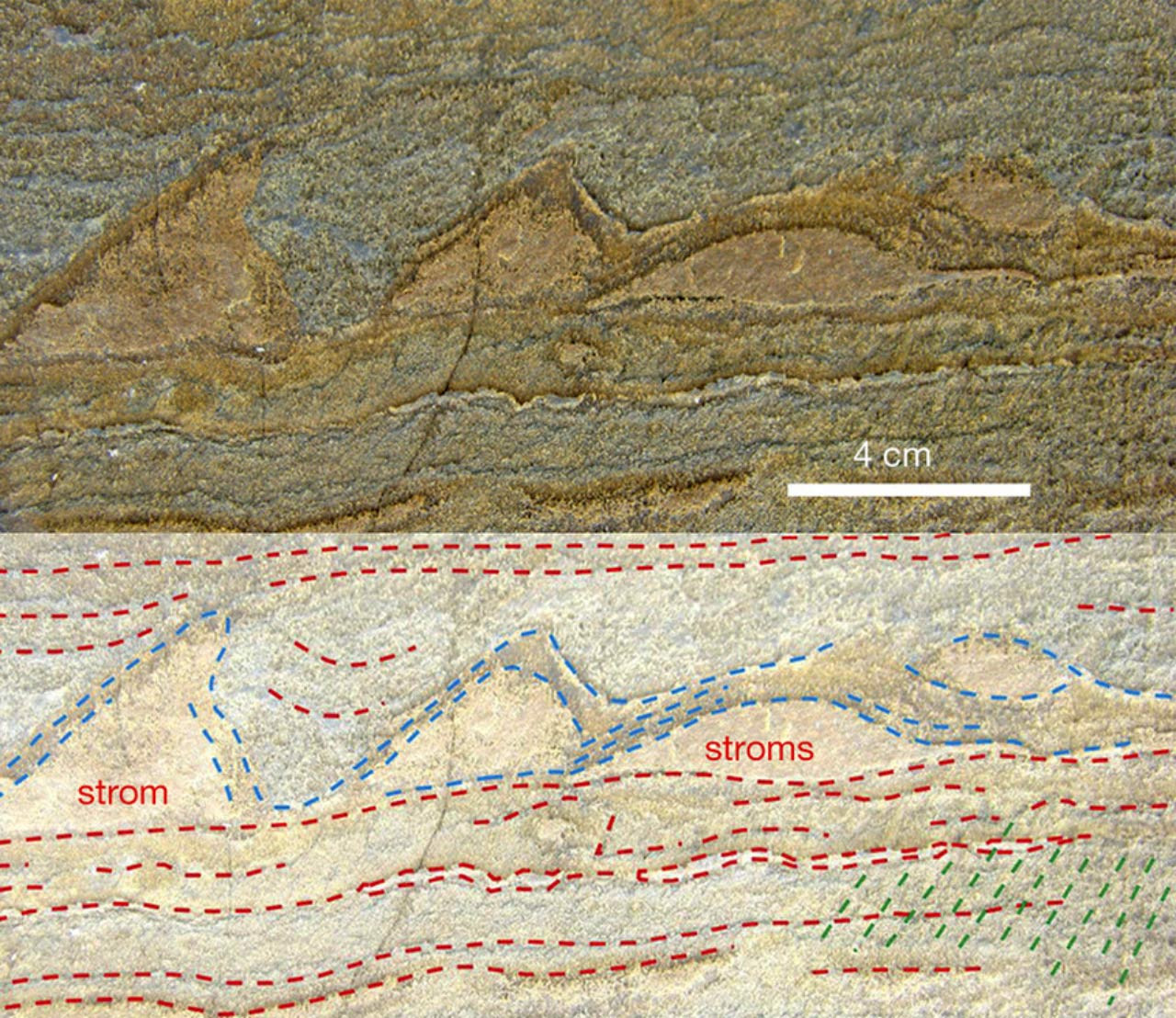
These fossilized structures, comprised of metacarbonate rock, represent the earliest direct evidence of life, predating the previously known stromatolites from Australia’s Dresser Formation by hundreds of millions of years. The research published in Nature highlights:
“We report evidence for ancient life from a newly exposed outcrop of 3.7-billion-year-old metacarbonate rocks in the ISB that contain 1-4 cm-high stromatolites, macroscopically layered structures produced by microbial communities.”
The study implies that microbial life was not only present but also already complex and widespread within a few hundred million years following Earth’s formation.
Stromatolites: Windows Into Ancient Earth
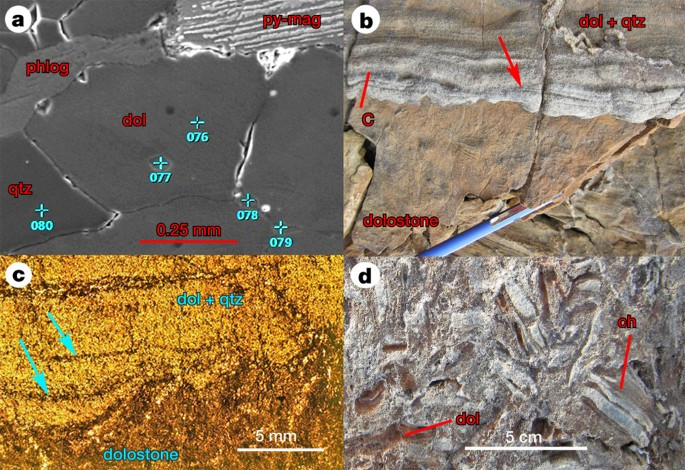
These layered rock formations are vital clues to understanding early life, as they result from the gradual accumulation of microbial layers. Stromatolites provide some of the most persistent fossil records of ancient organisms. The Isua stromatolites specifically formed in shallow marine settings, supported by chemical analyses and sedimentary layers indicating storm activity.
“The significance of stromatolites is that not only do they provide obvious evidence of ancient life that is visible with the naked eye, but that they are complex ecosystems,” explained Professor Nutman.
These Greenlandic fossils also mark the earliest environmental context in which life flourished, enriching our grasp of Earth’s primordial biosphere.
Significance for the Search for Extraterrestrial Life
This discovery holds important implications for astrobiology, especially the quest to find life on Mars. Mars may have harbored conditions similar to early Earth 3.7 billion years ago, potentially capable of supporting microbial life. Professor Martin Van Kranendonk from the University of New South Wales notes that the Isua stromatolites provide a template for recognizing comparable features on the Red Planet.
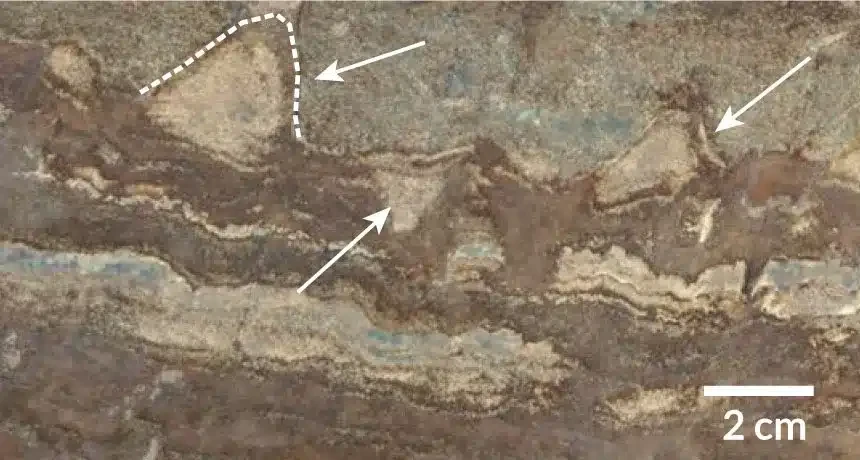
Given Mars’s ancient wet environments, microbial life forms akin to those that existed on early Earth could have developed there. Co-leading investigator Dr. Vickie Bennett from the Australian National University stated:
“This discovery represents a new benchmark for the oldest preserved evidence of life on Earth. It points to a rapid emergence of life on Earth and supports the search for life in similarly ancient rocks on Mars.”
- Categories:
- Science




0 comments
Sign in to Comment