
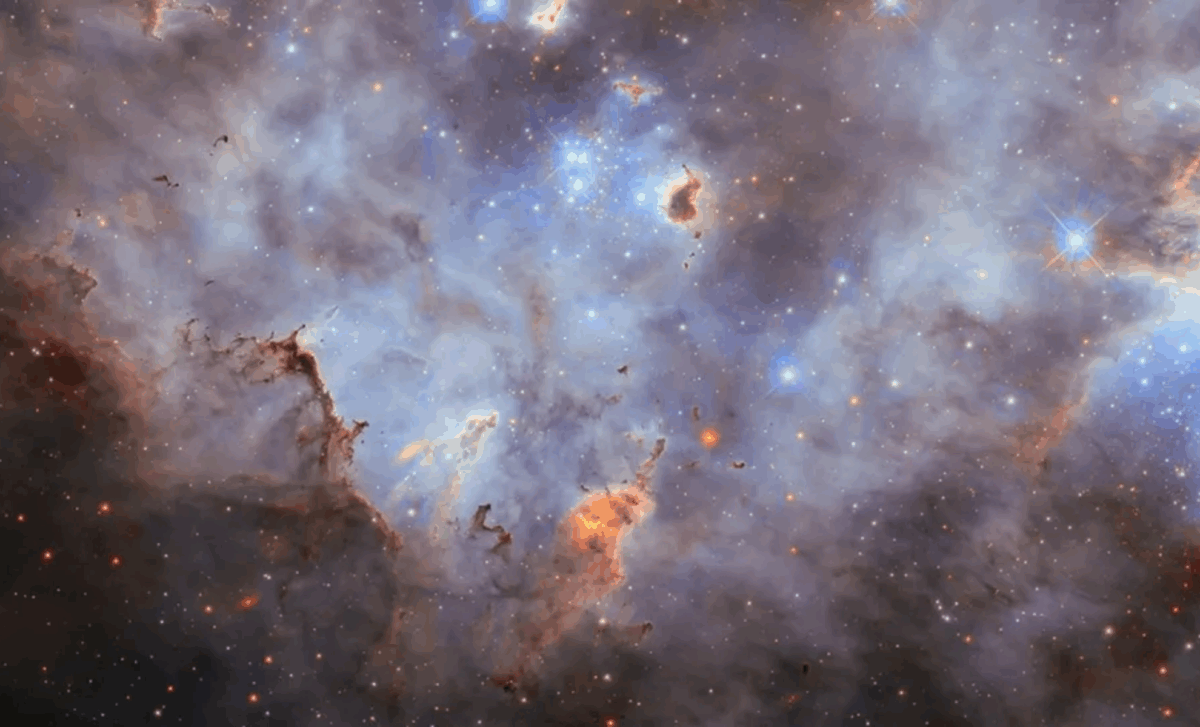
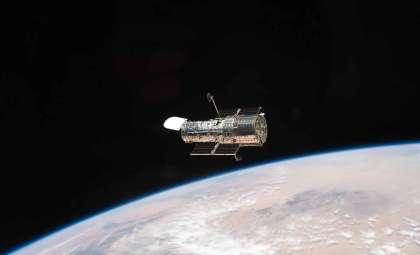
For more than thirty years, the Hubble Space Telescope has been a vital instrument in astronomical research, delivering stunning visuals and crucial data. This joint venture between NASA and the European Space Agency (ESA) has transformed our cosmic knowledge. By capturing detailed images of far-off galaxies, nebulae, and stellar nurseries, Hubble offers an unparalleled glimpse into the vast universe. The ESA Hubble website remains the premier destination for exploring the latest breathtaking images and scientific advancements.
The Enduring Impact of Hubble’s Observations
Since its launch in 1990, the Hubble Space Telescope has stood as a pivotal asset in astronomy. Its orbit above Earth’s atmosphere eliminates atmospheric distortion, providing sharper and more accurate celestial views than ground-based observatories. Throughout its extensive mission, Hubble has documented distant galaxies, star formation processes, and even the far edges of the observable universe, expanding the boundaries of human knowledge.
Thanks to its exceptional imaging capabilities, Hubble has unveiled phenomena that were once beyond reach. Its work has contributed to identifying exoplanets, measuring the universe's rate of expansion, and confirming black holes at galactic centers. By continuously supplying groundbreaking information, Hubble has resolved numerous cosmic puzzles and sparked fresh scientific questions that drive further exploration.

How Hubble Explores the Depths of Space
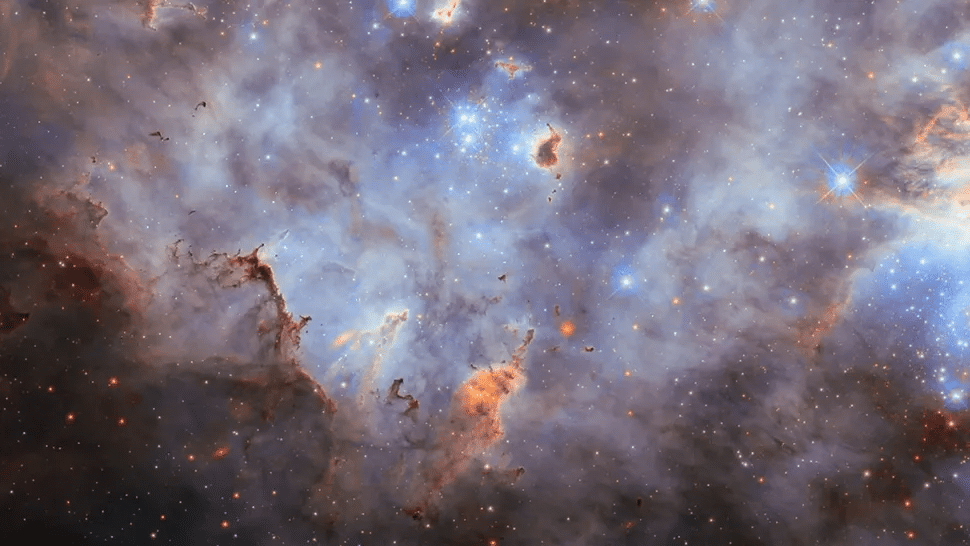
Operating across ultraviolet, visible, and near-infrared wavelengths, the Hubble Space Telescope collects data spanning multiple segments of the light spectrum. This ability to observe various wavelengths enables scientists to uncover diverse details about celestial objects. For example, ultraviolet observations highlight intense star-forming areas, while infrared imaging penetrates dust clouds, revealing stars hidden within.
One of Hubble’s hallmark achievements is its ability to examine distant galaxies with remarkable detail, elucidating their structures and evolutionary history. Iconic images like the Pillars of Creation, the Carina Nebula, and the Andromeda Galaxy not only showcase cosmic beauty but also serve as vital data sources for understanding star and galaxy formation.
The Hubble Heritage Project: Showcasing the Cosmos
Beyond its scientific contributions, the Hubble Space Telescope has produced a wealth of awe-inspiring images that resonate with the public. The Hubble Heritage Project curates these stunning visuals, blending scientific accuracy with artistry to engage a broad audience. This initiative enhances public appreciation of the universe by revealing celestial phenomena through compelling imagery.
Through its extensive archival collection, the Hubble Heritage Project offers ample opportunity for people to discover space’s marvels. These images go beyond aesthetics, offering insights into the dynamics within distant nebulae and galaxies. The well-known image of the Eagle Nebula exemplifies how these visuals illustrate the dramatic processes involved in star birth within molecular clouds, helping communicate intricate astronomical concepts to diverse audiences.
International Cooperation Driving Hubble’s Success
The Hubble Space Telescope exemplifies remarkable international collaboration between NASA, the European Space Agency (ESA), and other scientific organizations. Conceived to surpass the limits of terrestrial telescopes, the space-based observatory has benefited from multiple servicing missions that have enhanced its capabilities and ensured its longevity.
This partnership has been fundamental to Hubble’s achievements. While NASA supplied the telescope and launch support, ESA contributed specialized instruments and technology. Together, these agencies have continually upgraded Hubble to meet evolving scientific goals, demonstrating the power of global teamwork in advancing space research and discovery.
- Categories:
- News





0 comments
Sign in to Comment