
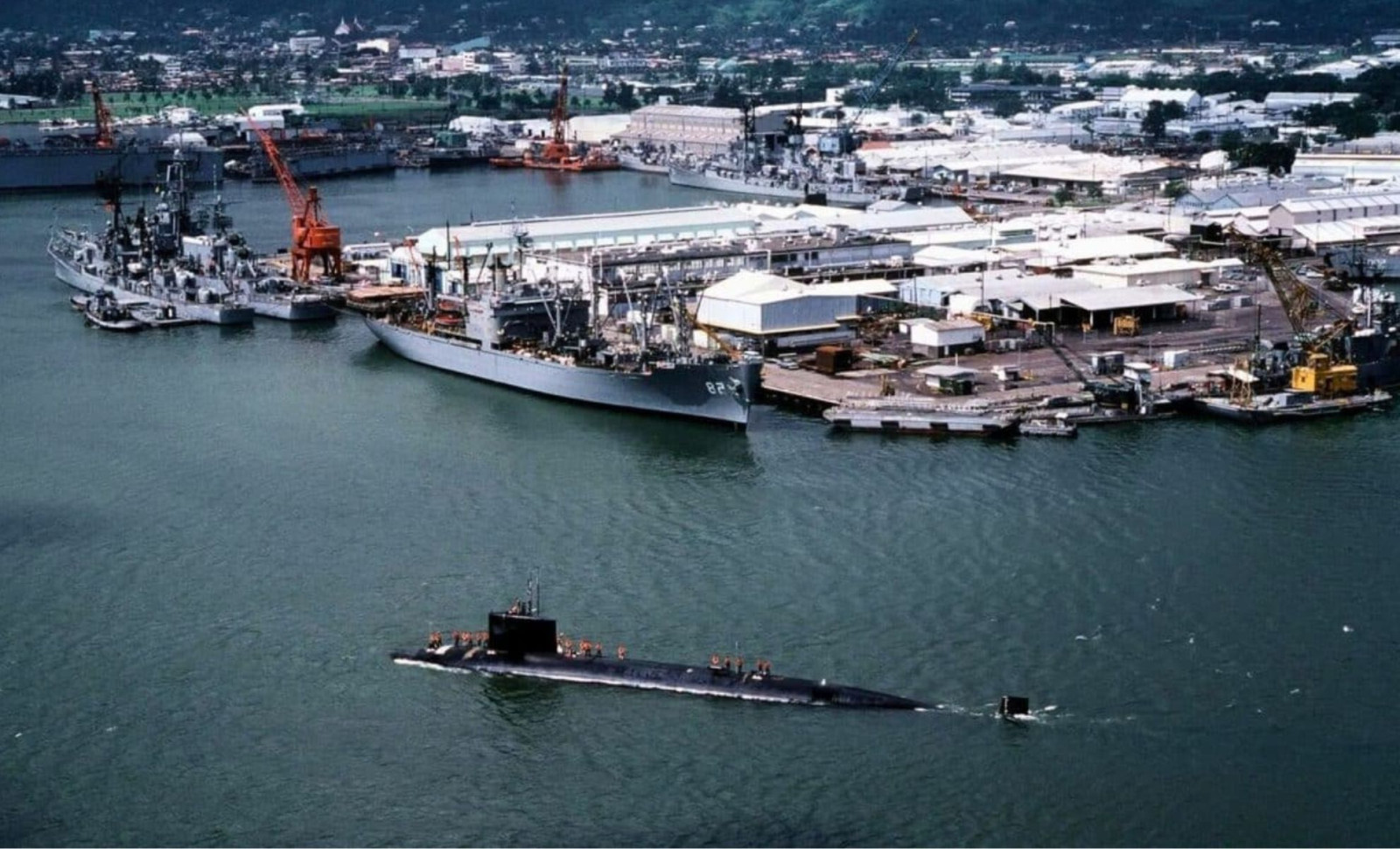
Subic Bay, once a quiet coastal area in western Luzon, has reemerged as a critical locus within Indo-Pacific strategic frameworks. Fueled by international investments and growing regional tensions, the area is now a focal point for government officials, defense strategists, and military planners.
The revitalization extends far beyond infrastructure upgrades. Collaborative efforts among the Philippines, United States, and South Korea are transforming the former civilian port into a burgeoning center for military and industrial operations—progress that has largely unfolded behind the scenes.
Situated just above 1,000 kilometers from Taiwan, Subic Bay has become the site of new logistical facilities and commercial shipbuilding activities, paired with increasing defense relevance. This location, once home to America’s largest naval base in Asia, appears poised for a renewed strategic role.

Shipbuilding Industry Resurges through Strategic Investment
In August 2025, Philippine President Ferdinand Marcos Jr. officially reopened a shipyard at Subic Bay managed by HD Hyundai Heavy Industries Philippines, a subsidiary of the South Korean giant. This facility, formerly operated by Hanjin Heavy Industries prior to its 2019 bankruptcy, has been renamed Agila Subic following acquisition by US private equity group Cerberus Capital Management.
Data reported by USNI News indicates that this yard is projected to more than double the Philippines’ shipbuilding output, increasing capacity from 1.3 million to 2.5 million deadweight tons annually and creating up to 4,300 jobs by 2030. Marcos highlighted that production of large oil tankers is expected to increase from five to eight vessels annually.
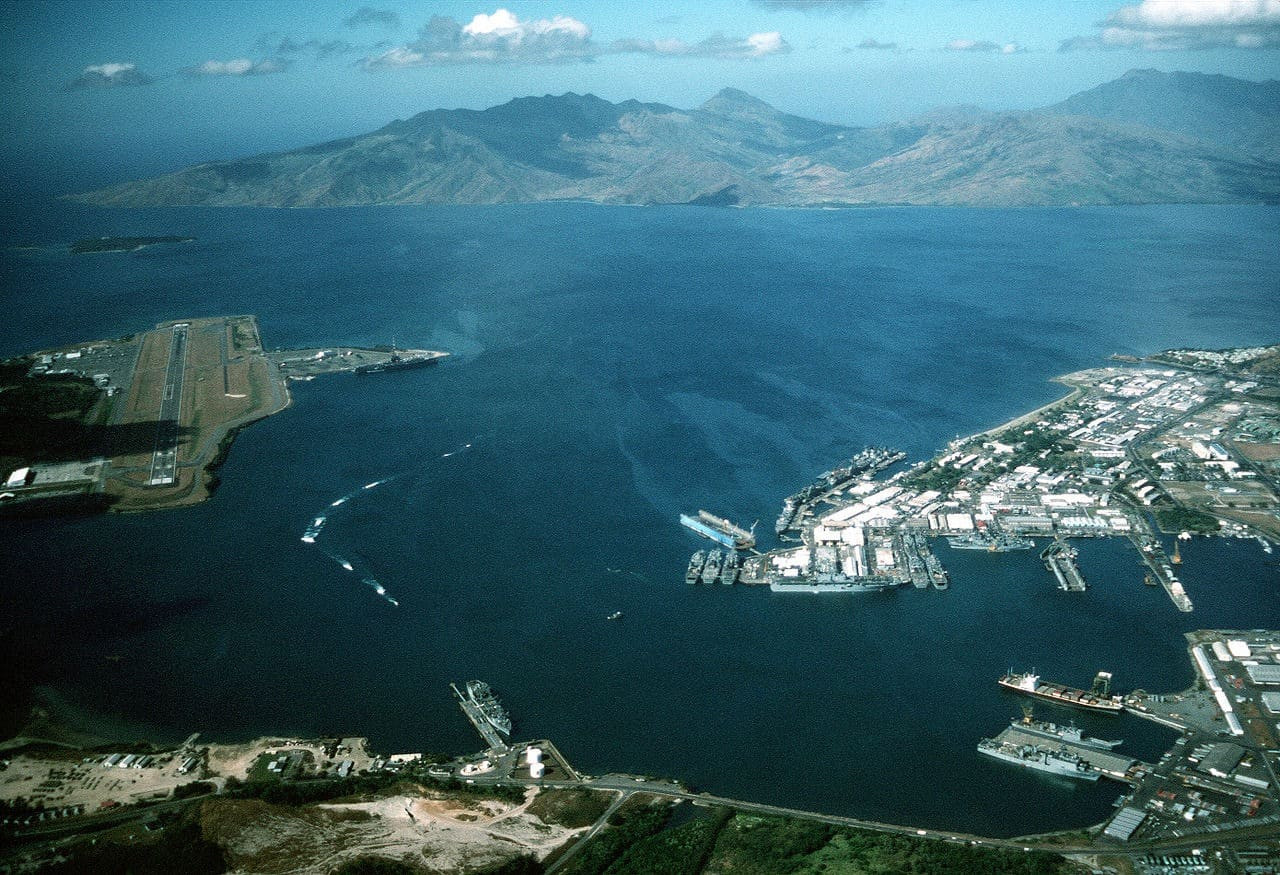
While commercial shipbuilding is emphasized publicly, Hyundai’s ongoing partnership with the Philippine Navy—already supplying four frigates and six offshore patrol vessels since 2016—is positioning the facility for additional defense contracts as part of Manila’s military upgrade plans.
Hyundai representatives have voiced interest in utilizing the Subic shipyard to fulfill both civilian and military maritime orders. Although military vessel construction at this location hasn’t been officially announced, it remains a potential development.
US Defense Presence Quietly Grows Within Port Facilities
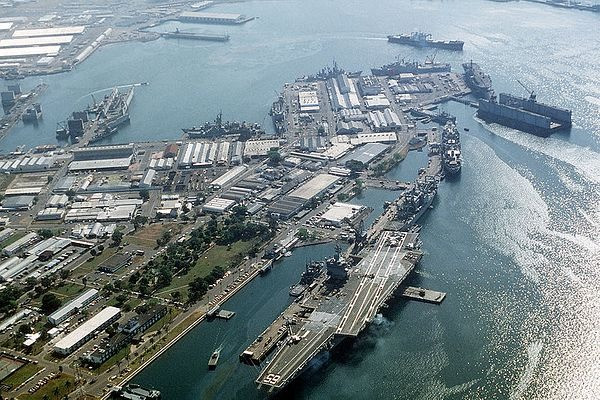
The Subic Bay complex now hosts several tenants linked to defense efforts. Besides Hyundai, the area accommodates the Philippine Navy, American defense company Vectrus, and SubCom, a US-based specialist in submarine cable systems.
According to Interesting Engineering, the US Marine Corps has secured a lease on a 57,000-square-foot warehouse inside the former Subic Bay Naval Supply Depot. This aligns with logistical capabilities supporting regional strategies laid out in the Enhanced Defense Cooperation Agreement (EDCA), which was broadened in 2023 to include four additional Philippine bases accessible to US forces.
Furthermore, a 2025 directive from the US House of Representatives mandated the Department of Defense to investigate the viability of forward-based ammunition manufacturing in the Indo-Pacific by 2026. Reports from Indian Defence Review and Interesting Engineering identify the Philippines, and Subic Bay specifically, as potential candidates for this production.
The evaluation includes the possibility of locally producing explosive precursors like nitrocellulose and nitroglycerin. No construction for such capabilities has been reported as of early 2026, and Philippine officials have yet to publicly address these plans.
President Marcos Adjusts Defense Strategy Amid Regional Tensions
Strategically located about 1,100 kilometers from southern China and Taiwan, Subic Bay is within the range of regional missile systems, making it a key site for joint military operations and contingency tactics.
Since assuming the presidency in 2022, Marcos has steered Philippine defense policy toward increased partnership with the US. On a 2025 visit to Washington, he described this shift as pursuing “self-reliant defense,” as reported by Indian Defence Review.
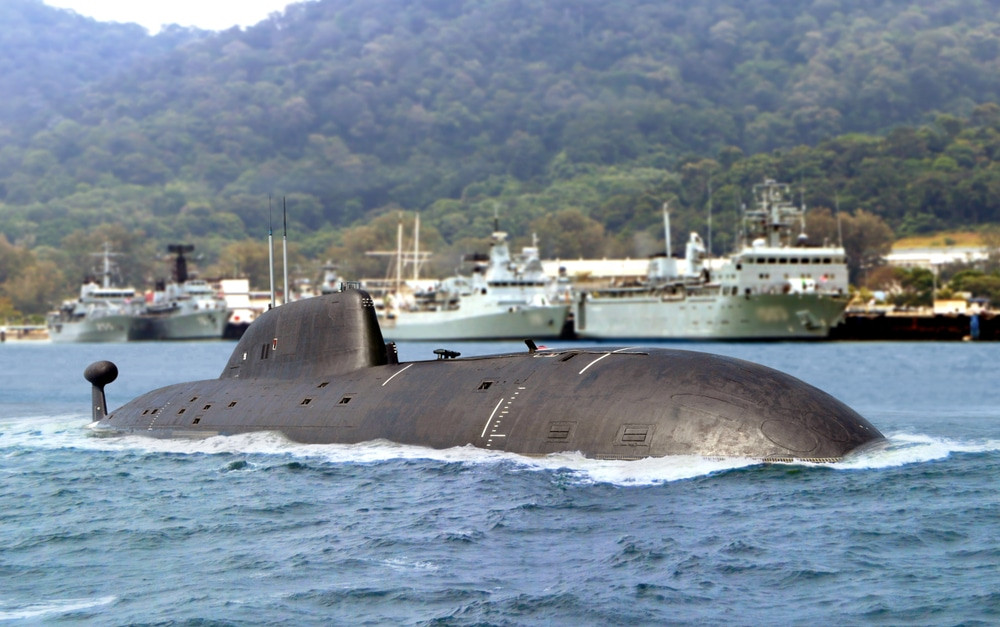
The expanded EDCA agreements have facilitated the deployment of Typhon intermediate-range missile systems and Nemesis anti-ship missiles on Philippine soil, though not specifically at Subic Bay. These deployments enhance US deterrence in the western Pacific, especially amid escalating tensions in the South China Sea, known locally as the West Philippine Sea.
Domestic Opposition Grows Amid Increasing Foreign Military Activity
Despite endorsement from national leaders for deeper US cooperation, the resurgence of Subic Bay as a strategic hub has encountered resistance within the Philippines. Vice President Sara Duterte has publicly voiced worries that the country might become a “bullet shield” in the event of regional conflict.
The International Center for Human Rights in the Philippines, referenced by Interesting Engineering, described the project as an extension of the US “military-industrial complex” and raised concerns about sovereignty and the long-term consequences of a foreign military presence.
Tensions at Subic Bay escalated in mid-2025 when six Chinese nationals were detained on espionage allegations, according to Interesting Engineering. Philippine authorities have made no further disclosures, and legal proceedings remain ongoing.
Operations at Subic Bay Confirmed Through Early 2026
As of February 2026, the Subic Bay shipyard is fully active in commercial shipbuilding under HD Hyundai Heavy Industries Philippines. Official reports via USNI News state that the facility has completed steel-cutting on its first new vessel since reactivation.
The mandated feasibility study for forward-positioned ammunition manufacturing in the Indo-Pacific is underway and expected to be finalized by Q4 2026. No confirmed new weapons production infrastructure has been built at the site to date.
Current verified activities at Subic Bay include the US Marine Corps warehouse lease, ongoing EDCA-related logistical enhancements, and commercial ship production. No updates to the governing legal framework for foreign military operations have been announced by US or Philippine authorities.
- Categories:
- News





0 comments
Sign in to Comment