
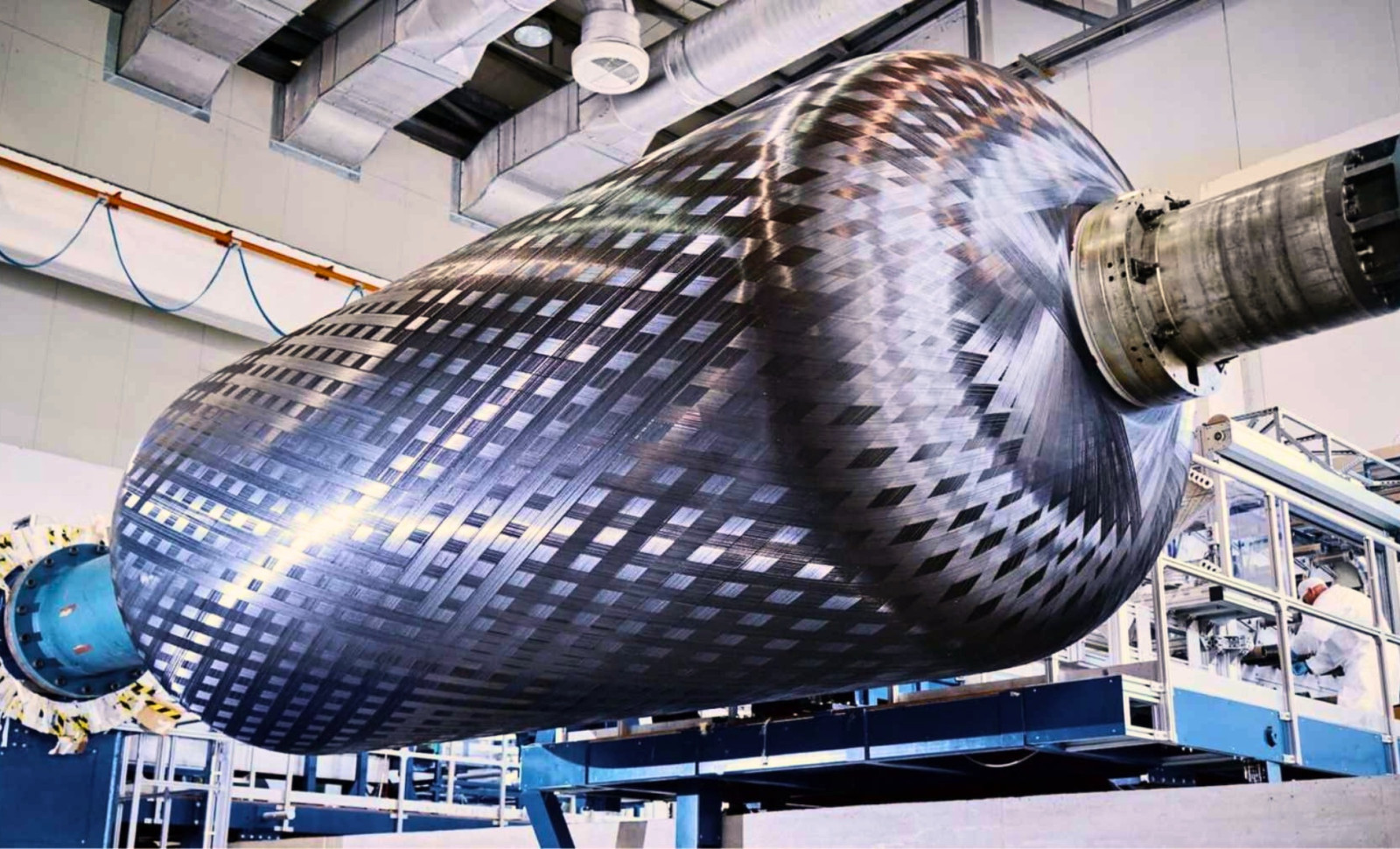
Researchers in the United States have engineered an advanced fiber-reinforced composite capable of self-repairing internal damage more than 1,000 times. This breakthrough tackles a persistent weakness in lightweight materials commonly used in airplanes, automobiles, and wind turbines, dating back to the 1930s. The material specifically targets delamination, a failure mode where layers inside fiber-reinforced polymers separate due to crack formation, leading to a swift loss of structural strength.
During laboratory experiments, this innovative composite endured 1,000 cycles of cracking and self-healing over a span of 40 days. Scientists predict this capability can boost the operational lifespan of composite parts from the usual 15–40 years to several centuries, projecting up to 125 years with repairs every three months or 500 years with annual healing.
This advancement is critical for sectors leveraging lightweight composites to enhance fuel economy and decrease emissions. While fiber-reinforced polymers offer high strength at reduced weight compared to metals, their vulnerability to delamination necessitates expensive inspection and replacement schedules. A self-healing material dramatically cuts down on the need for manufacturing, transport, and disposal of bulky components.

Innovative Printed Interlayer Improves Durability
The team’s findings, detailed in the Proceedings of the National Academy of Sciences, introduce two pivotal enhancements over traditional composites. The first involves 3D printing a thermoplastic healing compound directly onto the fiber reinforcements, creating a deliberately designed interlayer between laminate layers. This layer is made from poly(ethylene-co-methacrylic acid) (EMAA), a polymer known for its self-repairing traits. Other studies have highlighted the mechanical advantages of EMAA for composites.
This EMAA interlayer not only stands ready to heal but also strengthens the laminate against delamination, improving resistance by two to four times from the start. Jason Patrick, a civil and environmental engineering professor at North Carolina State University and lead author, remarked that delamination challenges have persisted since the 1930s. The interlayer behaves like a flexible joint within a rigid matrix, helping prevent internal peeling under stress.
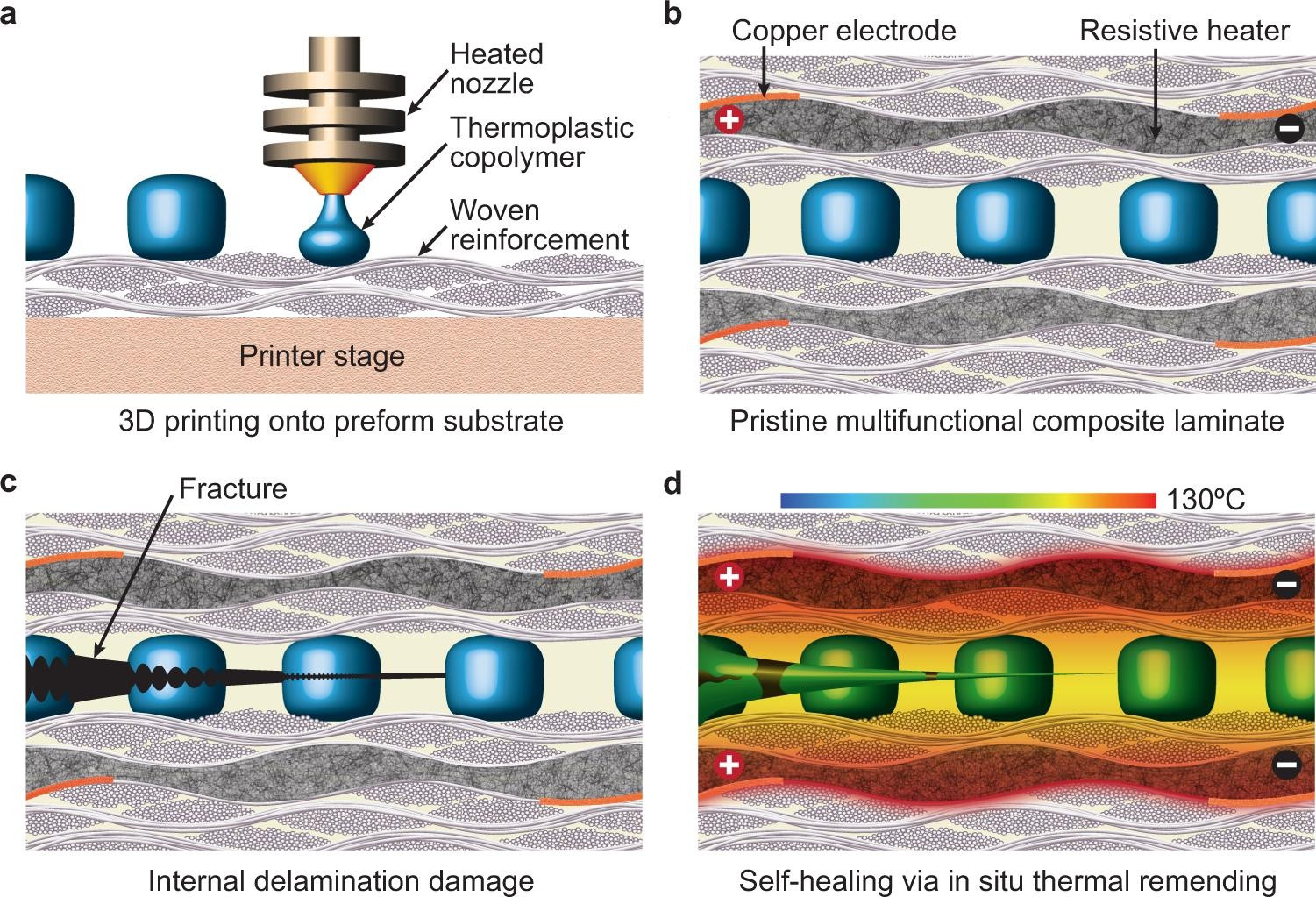
The second major advancement is the integration of slender carbon-based heating elements inside the composite. When damage is detected by sensors, an electric current heats these elements, melting the EMAA interlayer. The molten thermoplastic seeps into cracks and microrifts, rejoining broken interfaces in a process termed “thermal remending.” This repair happens internally, removing the need for external adhesives or patches.
Examining Longevity through Repeated Repairs
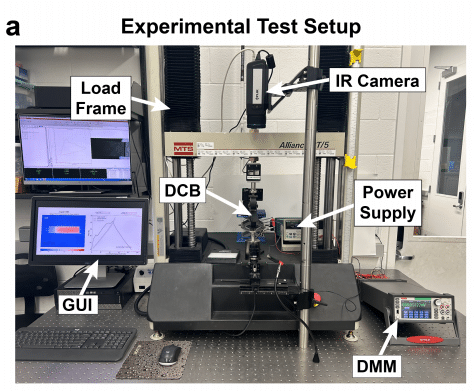
The team developed an automated rig to repeatedly induce tensile forces creating roughly two-inch delaminations, then activated the heating cycle to heal and measured the load capacity until failure recurred. This routine was sustained for 1,000 uninterrupted iterations.
Jack Turicek, the study’s lead author, explained that the composite initially outperforms traditional counterparts in toughness and resisted cracking throughout at least 500 cycles. While toughness diminishes with repeated healing, it does so gradually, allowing for exceptional lifespan predictions beyond prior self-healing materials.
This experiment marks around a tenfold advancement relative to the group’s earlier research. Though results are encouraging, further real-world testing—including certification standards, moisture and temperature endurance tests, fatigue evaluations, and damage scenario simulations such as hail or bird strikes—is necessary.
Impacts on Wind Energy and Other Sectors
The environmental benefits are especially relevant for the wind power industry. Wind turbines rely on resilient yet lightweight composites for their blades, but these materials pose recycling challenges at the end of their operational lives.
The American Clean Power Association highlights that fiber-reinforced plastics in turbine blades are difficult to recycle, with most used blades sent to landfills or incinerated. A white paper notes the materials are non-toxic, yet concerns over landfill limitations have led several European nations to ban blade disposal in landfills, with similar laws under consideration in the U.S.
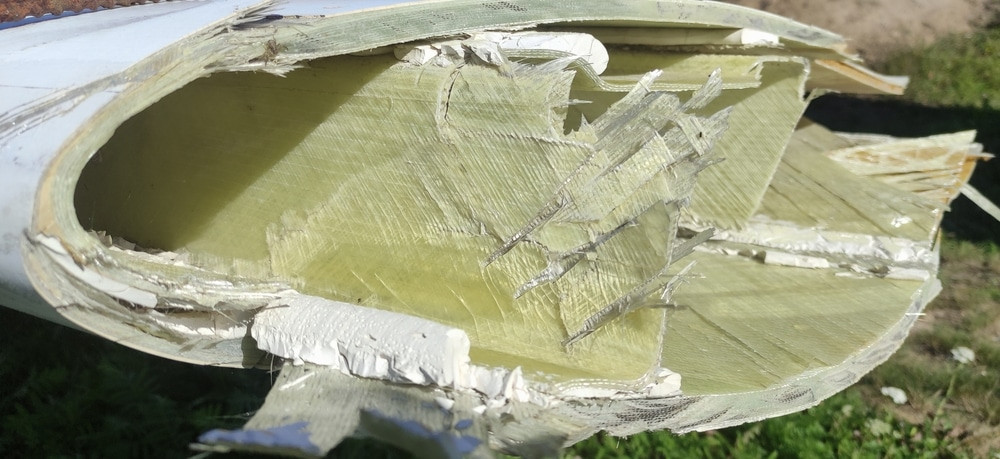
Experts at the National Renewable Energy Laboratory predict that discarded blade mass in the U.S. could reach 2.2 million tons by 2050 if current retirement rates continue. Recent federal guidance underscores R&D needs for scaling recycling of these complex composites. Typical wind turbine blade lifespans are around 20 years, so extending blade durability with self-healing could delay waste generation and lessen landfill burdens.
Beyond renewable energy, Patrick emphasized the technology’s broad potential to cut costs, labor, and waste across industries by minimizing part replacements. He further noted the promise for space exploration, where in-situ repairs are often impractical or impossible.
- Categories:
- News











0 comments
Sign in to Comment