
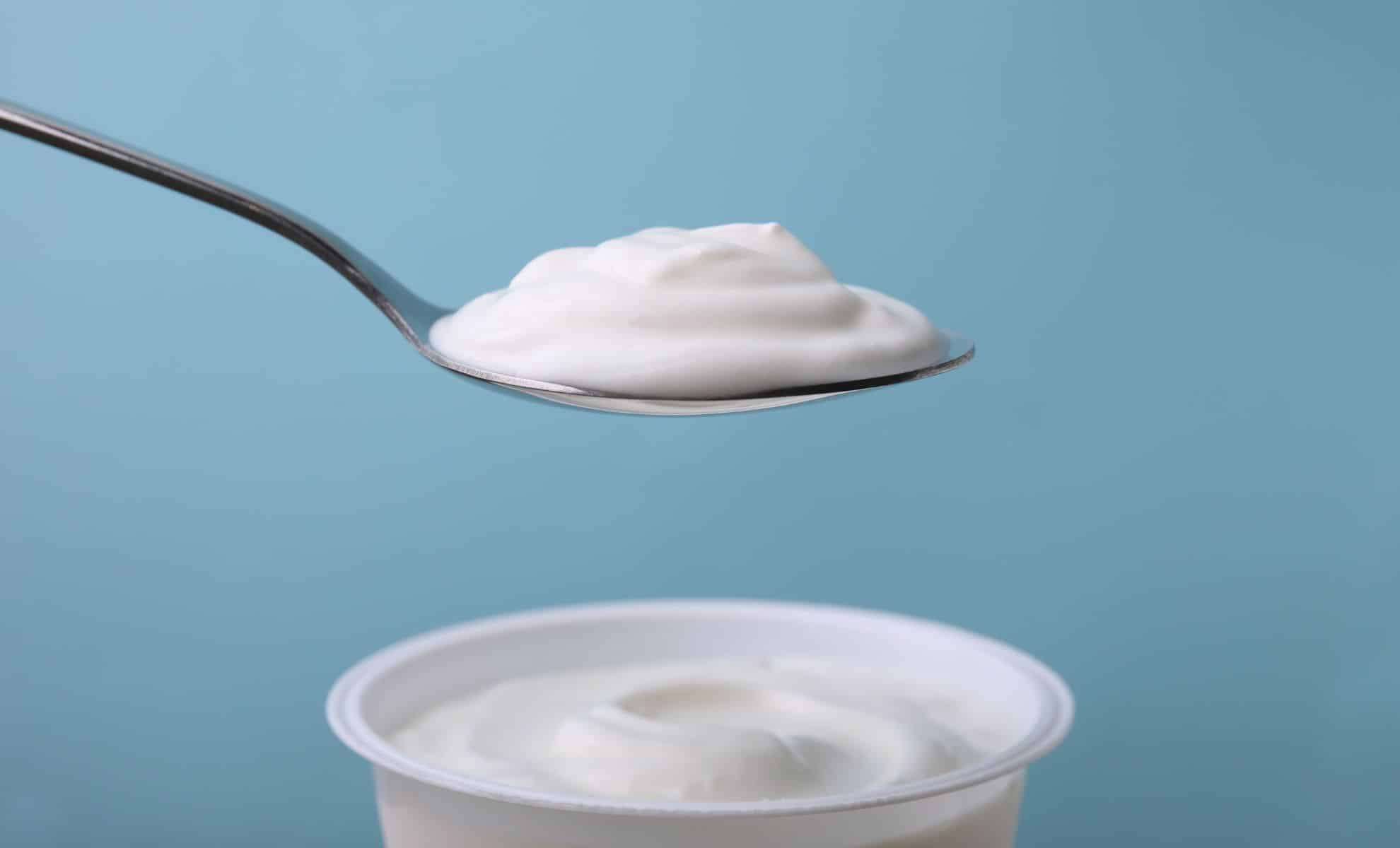
A team at Columbia Engineering has created a revolutionary bioactive gel sourced from yogurt, which shows promise for enhancing tissue regeneration treatments. This gel utilizes extracellular vesicles (EVs) extracted from milk to emulate living tissue and accelerate natural healing, with potential benefits in regenerative healthcare.
Utilizing Extracellular Vesicles for Healing
In a study titled “Extracellular vesicles as dynamic crosslinkers for bioactive injectable hydrogels”, published in Matter, researchers developed an innovative hydrogel that repairs tissue by incorporating EVs. These nanoscale vesicles, naturally released by cells, carry proteins and genetic material vital for intercellular communication and possess strong regenerative capabilities, making them ideal for tissue engineering applications.
The Columbia Engineering group addressed a key barrier in embedding EVs into bioactive materials. Unlike conventional synthetic substances that fail to replicate EV interactions in biological systems, this team sourced EVs from yogurt. This affordable and plentiful dairy product offers a sustainable and scalable source of EVs for hydrogel synthesis.

Critically, the researchers achieved mass production of the gel without compromising the EVs' biological functions. Santiago Correa, the lead scientist, noted, “Their intrinsic ability to support regeneration paves the way for accessible therapeutic materials.”
An Innovative Dual Role for Regeneration
The gel design depends on EVs performing two vital roles. Firstly, they deliver crucial therapeutic molecules that aid tissue restoration. Secondly, they integrate with biocompatible polymers to build the gel’s structure, resulting in a soft material that mimics natural tissue. This method avoids additional chemical additives, allowing the gel to support healing in an organic, efficient manner.
The use of yogurt-derived EVs is a key factor in achieving large-scale production while preserving their regenerative advantages. The team successfully demonstrated that these vesicles maintain their bioactivity within the hydrogel matrix.
Global Cooperation Spurs Progress
The project was a collaboration between Columbia Engineering’s Nanoscale Immunoengineering Lab and the University of Padova, combining expertise in nanotechnology, polymer hydrogels, and EV sourcing from agricultural products. This international partnership was instrumental in developing the versatile hydrogel system. Their findings indicate the gel’s production is adaptable to diverse EV origins, including mammalian and bacterial sources. The research confirmed that yogurt-derived EVs effectively generate hydrogels that serve structural and biological functions.
Promising Results in Animal Studies
Preliminary tests with mice demonstrated that the yogurt-based EV hydrogels are compatible with living tissues and stimulate robust angiogenesis, fostering new blood vessel growth in injured areas within seven days. The gel showed no harmful effects and appeared to create an immune environment rich in anti-inflammatory cells, potentially enhancing tissue regeneration.
Research fellow Artemis Margaronis from Columbia Engineering remarked, “Creating a material that closely imitates the body’s natural setting while accelerating healing opens exciting opportunities in regenerative medicine.”
These initial outcomes suggest the yogurt-derived gel might revolutionize regenerative therapies by offering a naturally inspired and effective way to heal damaged tissues. While in early development, this innovation could lead to treatments that harmonize with the body’s own healing processes.
- Categories:
- News











0 comments
Sign in to Comment