
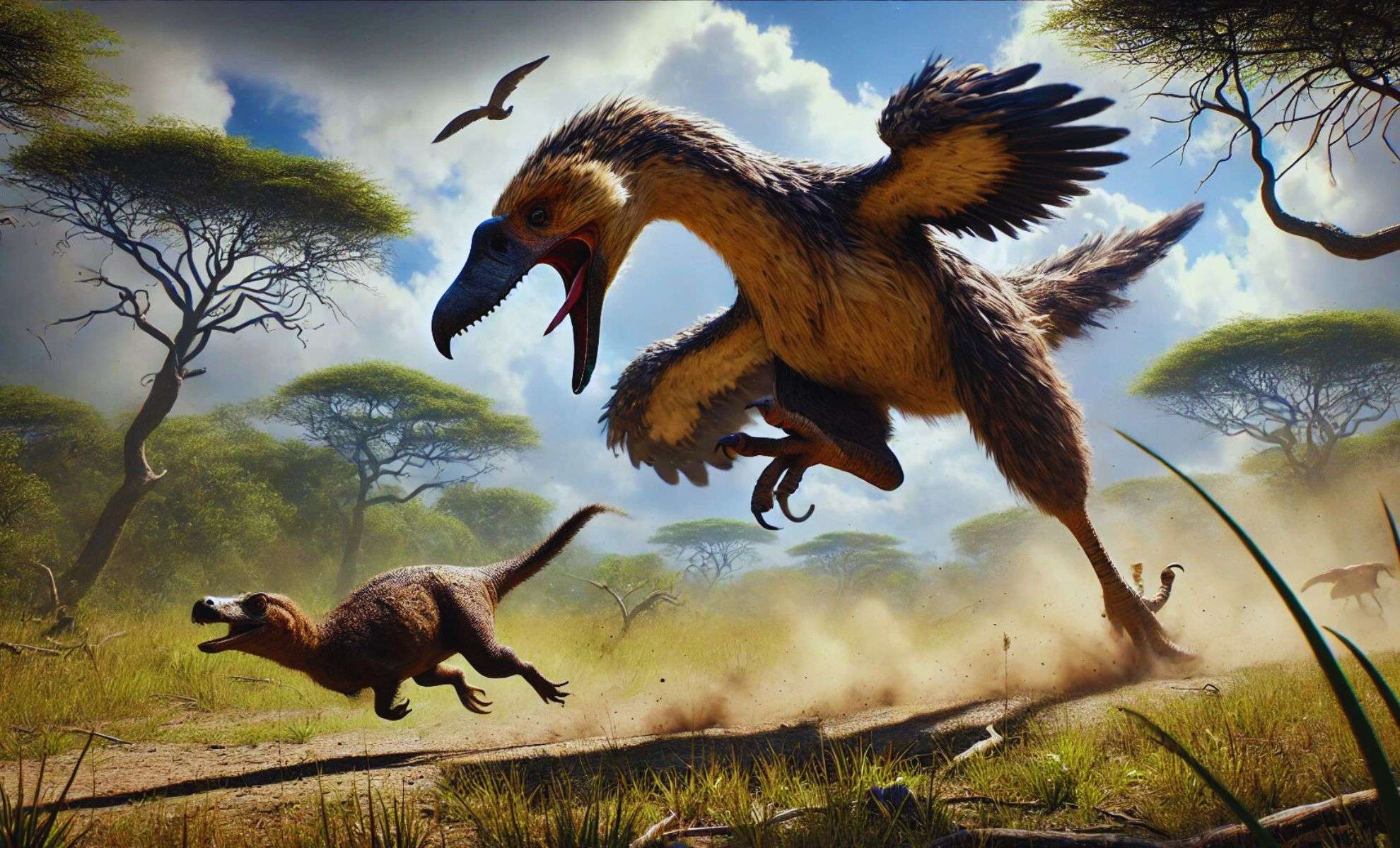
Picture an era when immense flightless birds, soaring nearly 10 feet (3 meters) high, ruled the land with their razor-edged hooked beaks and swift agility. Known as terror birds or Phorusrhacids, these fierce predators dominated South America’s landscapes for millions of years.
Defining the Terror Birds
Long after the extinction of dinosaurs, these gigantic flightless hunters emerged as the top carnivores in South America, thriving from around 60 to 2 million years ago. At that time, the continent stood isolated, allowing these birds to evolve into apex predators.
Equipped with powerful legs designed for rapid sprints and large hooked beaks built to inflict fatal wounds, terror birds hunted mainly small to medium-sized creatures. Some scientists suggest they may have hunted cooperatively.

Distinctive Features and Adaptations
The terror birds exhibited specialized traits that enhanced their hunting prowess. Key attributes include:
- Size: Standing as tall as 10 feet (3 meters).
- Mass: Estimated to weigh between 220 to 330 pounds (100-150 kilograms), varying by species.
- Anatomy:
- Beak: Large, curved, built for delivering powerful, precise strikes.
- Legs: Strong and fast, capable of speeds up to 30 mph (48 km/h).
- Wings: Reduced and non-functional, reflecting their flightless nature.
New Fossil Findings in South America
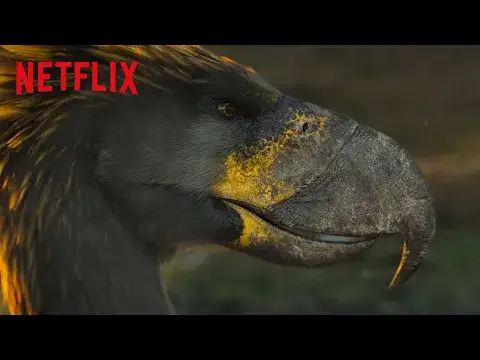
Exciting discoveries in the Tatacoa Desert have shed fresh light on these ancient predators. Recently unearthed fossil remains of a massive terror bird’s leg bone, dating back to the Miocene period around 12 million years ago, could represent the largest specimen ever documented. Its size exceeds previous records by 5 to 20 percent.
Analysis revealed distinct pit marks typical of terror birds, accompanied by deep bite damages likely inflicted by Purussaurus, a giant prehistoric crocodile. Scientists believe this encounter was fatal for the bird.
Dominating a Distinct Habitat
The terror birds flourished in a singular ecological setting where South America was disconnected from North America, creating a unique niche for these avian carnivores to take control after the dinosaurs’ extinction. Their closest extant relatives, such as the long-legged seriema birds, offer glimpses into their ancient lineage.
“In a prehistoric world unlike today’s, they ruled as unmatched predators,” noted Dr. Siobhan Cooke, paleontology expert at Johns Hopkins University.
The Enduring Appeal of Terror Birds
The legacy of terror birds embodies the dynamic transformations of life on Earth and the remarkable biodiversity that has existed. Their fierce reputation captivates our imagination as a symbol of evolution’s remarkable adaptations.
Would you be brave enough to face such a fearsome hunter? Fortunately, these creatures have long vanished, yet their fossil records continue to fascinate and inform us of a time when they reigned supreme.
- Categories:
- Evolution
















0 comments
Sign in to Comment