
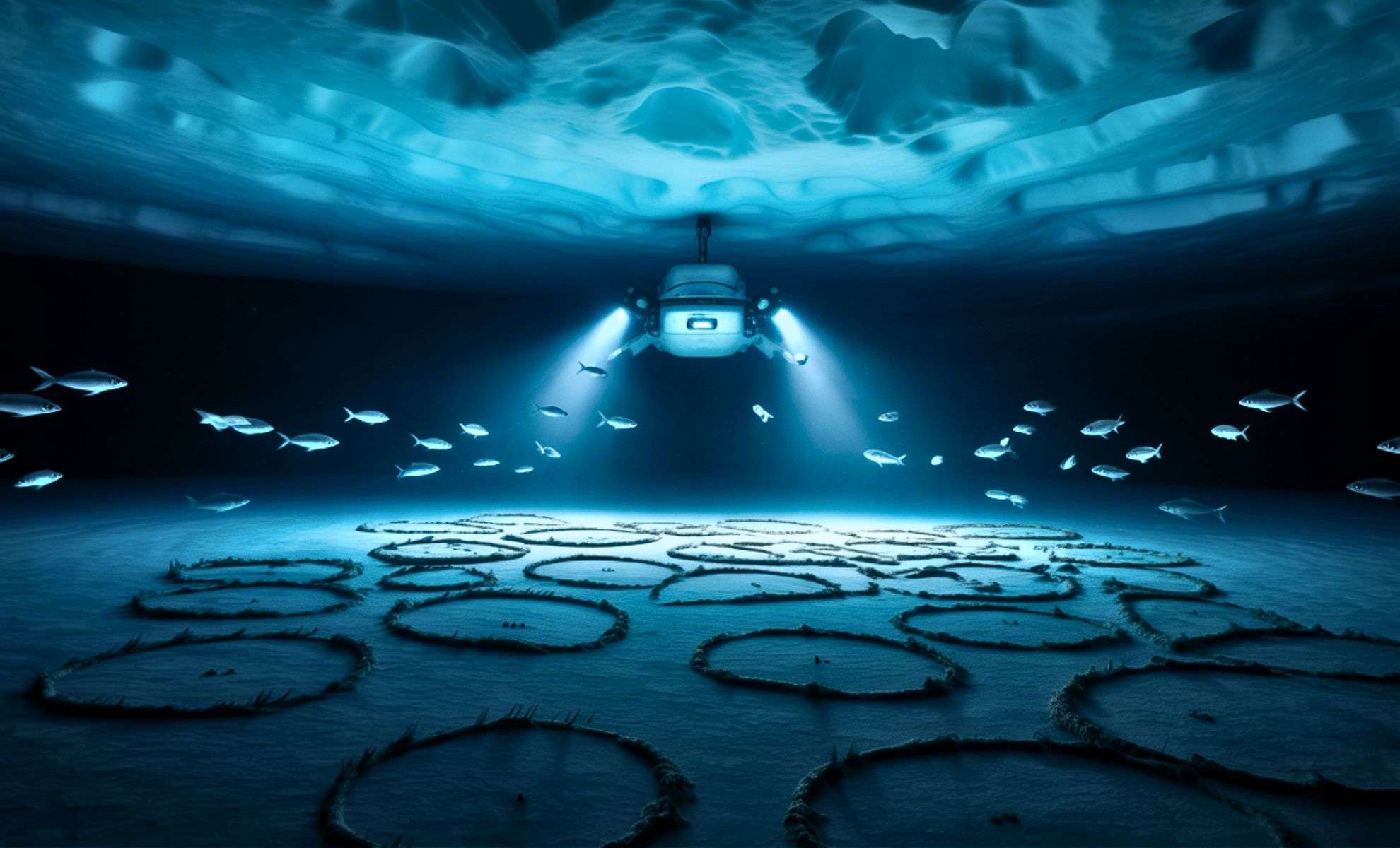
Recent research has uncovered an extensive and intricately arranged fish nursery tucked beneath the ice in the western Weddell Sea. Using underwater robotic vehicles, scientists have revealed a level of ecological intricacy previously unnoticed in this harsh and isolated environment.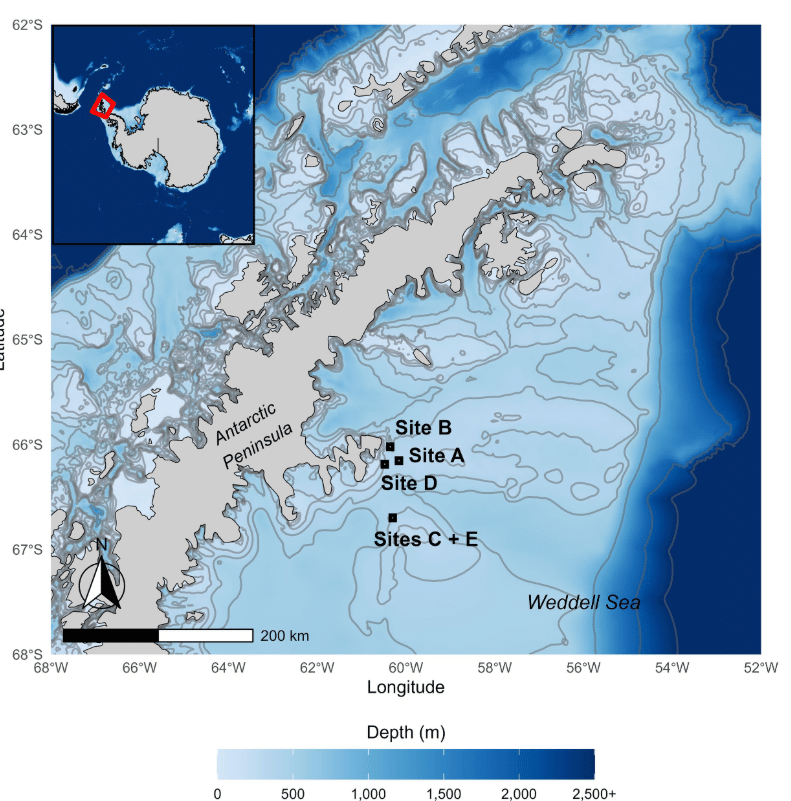
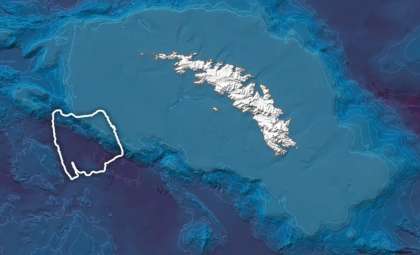
Discovered in an area exposed after the 2017 A68 iceberg calving event, the site hosts over a thousand distinct fish nests systematically arranged into geometric shapes on the ocean floor. Published in Frontiers in Marine Science, the study suggests this region could support one of the largest known gatherings of nesting fish, offering fresh perspectives on reproductive strategies, adaptation, and conservation in the Southern Ocean.
Discovering Life Beneath Retreating Ice
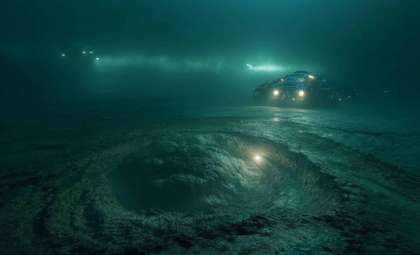
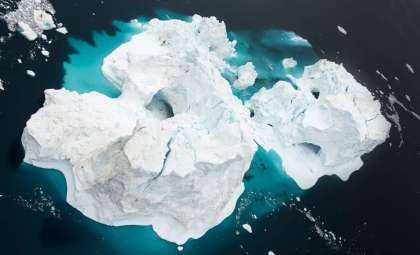
The colossal iceberg, which detached from the Larsen C Ice Shelf, eliminated about 5,800 square kilometers of long-standing ice coverage. This created a unique research opportunity to investigate benthic habitats formerly hidden beneath ice. Expedition teams in early 2019, aboard the SA Agulhas II, utilized robotic submersibles, including the remotely operated vehicle (ROV) Lassie, to explore the newly accessible seafloor.

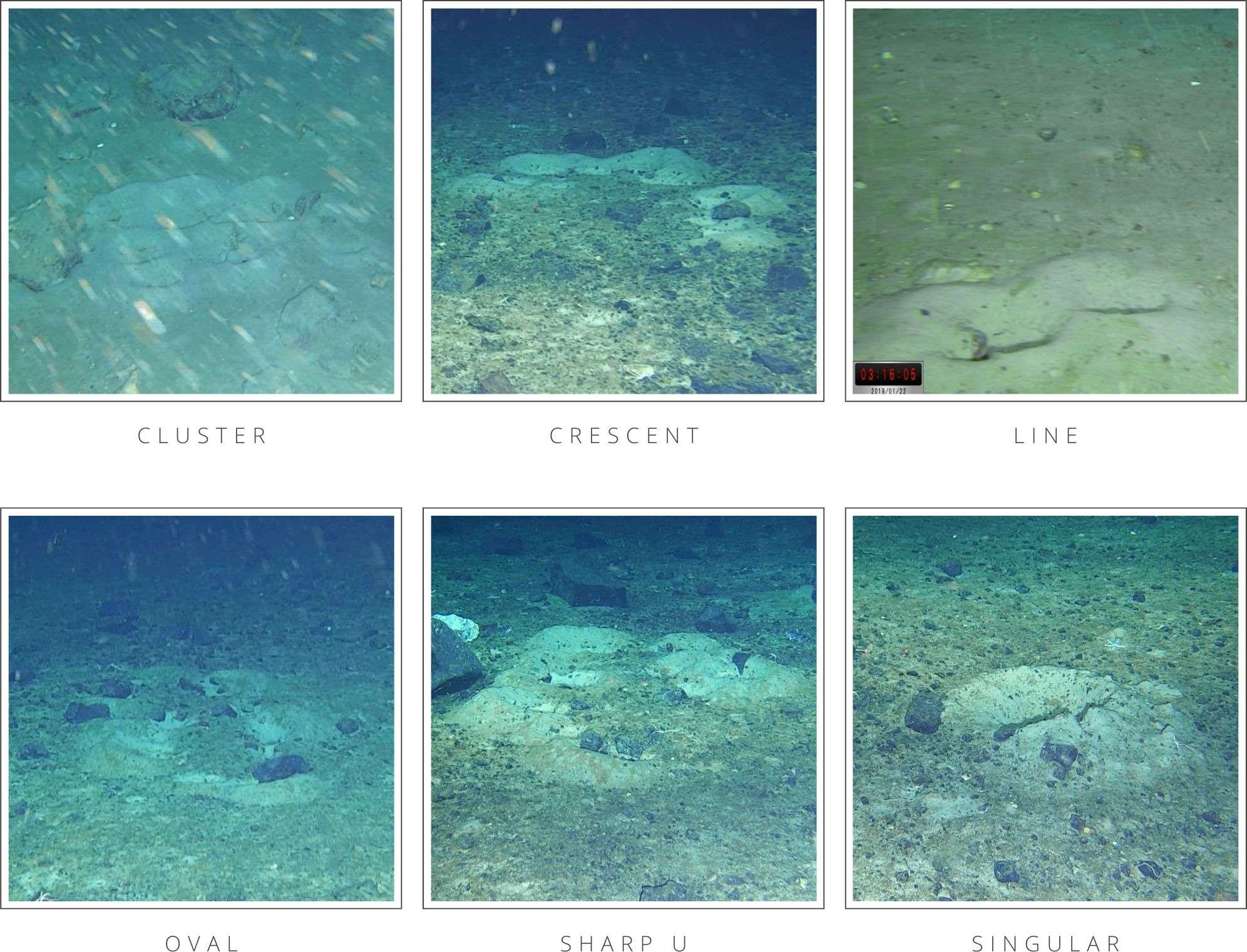
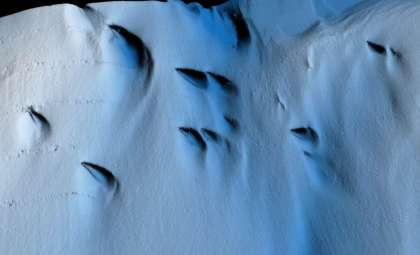
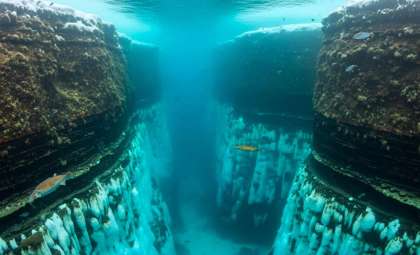
The findings defied expectations. More than 1,000 circular depressions were found between 290 and 411 meters deep, each meticulously cleared of phytoplankton debris, indicating ongoing upkeep. These nests displayed distinct arrangements—such as clusters, crescent shapes, and linear formations—suggesting intentional organization rather than random scattering.
“This was not just a dispersed population,” explained lead researcher Dr. Russell B. Connelly. “The nests exhibited spatial structuring likely influenced by social interaction and predator avoidance.”
Structured Community Thriving in Harsh Waters
The nests were attributed to the yellowfin notie (Lindbergichthys nudifrons), a species of cryonotothenioid fish adapted to the extreme cold of Antarctic waters. This fish is known for demersal spawning and male nest guarding, reproductive behaviors relatively uncommon at such high latitudes. Although no eggs were observed—likely due to the expedition's timing after the hatching season—larvae were detected in several nests.
Scientists identified six distinct nest patterns: Cluster, Crescent, Line, Oval, Sharp U, and Singular. Over 40% of nests exhibited the Cluster pattern, possibly as an anti-predator strategy. This matches the selfish herd theory, where individuals in the center gain protection from those on the edges. Larger fish were seen more frequently in solitary nests, indicating a balance between social cooperation and territorial defense.
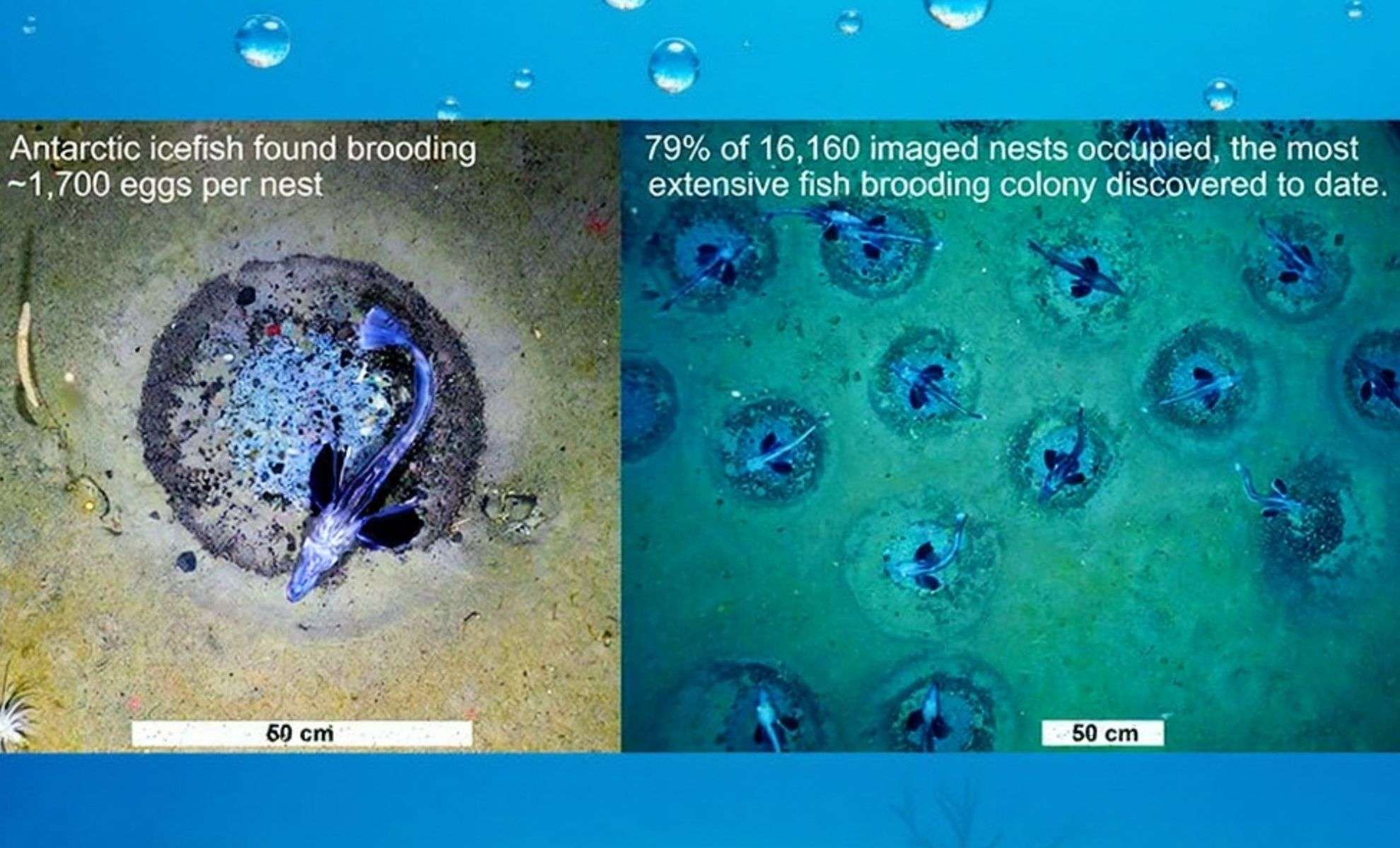
These new observations build upon earlier research published in Current Biology in 2022, which documented a large icefish colony in the Weddell Sea. That colony exhibited similar nest densities under slightly warmer water temperatures, indicating such sophisticated reproductive behaviors might be prevalent across Antarctic ecosystems.
Protecting the Southern Ocean’s Critical Nursery Areas
Despite detailed measurements of physical factors such as substrate and temperature, the study uncovered no significant links between these environmental parameters and nest distribution. Instead, biological influences like predator evasion and possible social interactions appear to primarily govern nest placement.
The existence of this vast, coordinated spawning site adds urgency to calls for designating the area as a Vulnerable Marine Ecosystem (VME). As outlined by the Food and Agriculture Organization (FAO) and the Convention on Biological Diversity (CBD), regular reproductive activity concentrated in a particular region is a critical VME criterion.
The Weddell Sea is currently proposed as a Marine Protected Area (MPA) by the Commission for the Conservation of Antarctic Marine Living Resources (CCAMLR), although official protection measures remain pending. “Safeguarding spawning habitats like this one is essential to maintaining Antarctic biodiversity,” emphasized co-author Dr. Lucy C. Woodall, marine ecologist and polar conservation policy expert.
- Categories:
- Science





0 comments
Sign in to Comment