
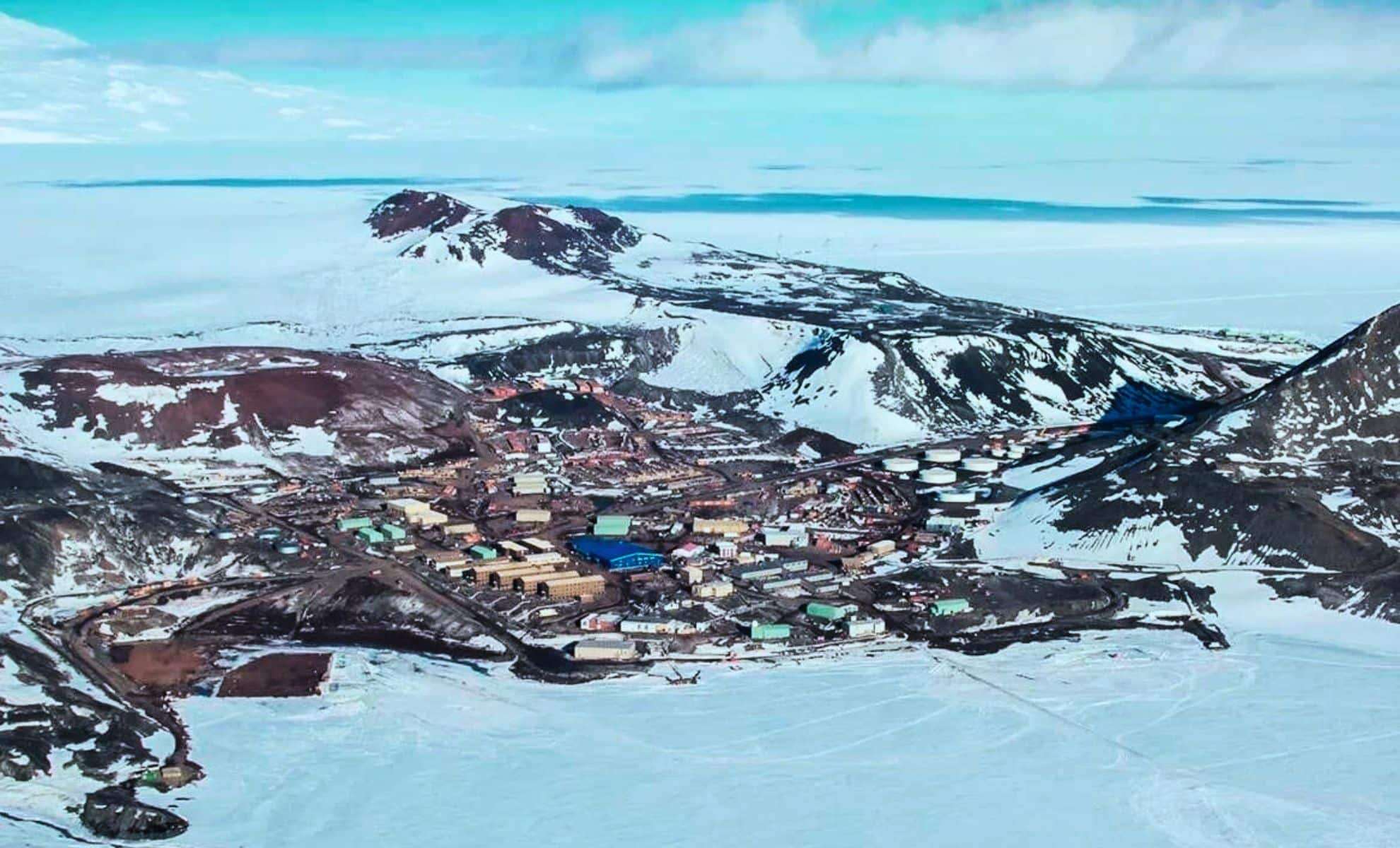
Scientists have unearthed a remarkably well-preserved landscape hidden beneath the East Antarctic Ice Sheet, thanks to a team led by Stewart Jamieson of Durham University. Buried under nearly two kilometers of ice, this ancient terrain shaped by river systems has remained intact for more than 34 million years, long before Antarctica became enveloped in ice. This discovery offers a rare glimpse into a time when the continent was warm and lush, far removed from its current frozen state.
Illuminating Antarctica’s Forgotten Terrain
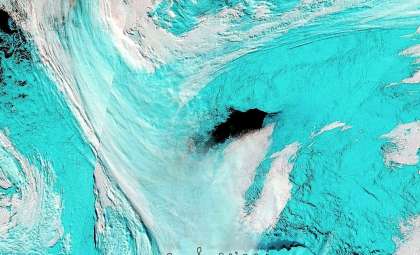
Detailed in a Nature Communications publication, this breakthrough was achieved using advanced satellite observation, particularly the RADARSAT Canadian satellite array. This technology allowed researchers to detect subtle irregularities on the ice's surface, which correspond to the landscape below. Their analysis reveals an extensive ancient region, comparable in size to Wales, featuring river valleys, ridges, and channels frozen beneath the ice sheet.
Stewart Jamieson describes the find as akin to “unlocking a time capsule,” noting the landscape’s exceptional preservation beneath the immense pressure of the thick ice sheet. Crucially, this terrain dates back to when Antarctica was part of the supercontinent Gondwana—a period characterized by flowing rivers, forests, and even dinosaur habitation, long before glaciation began.

Reconstructing Antarctica’s Ancient Environment
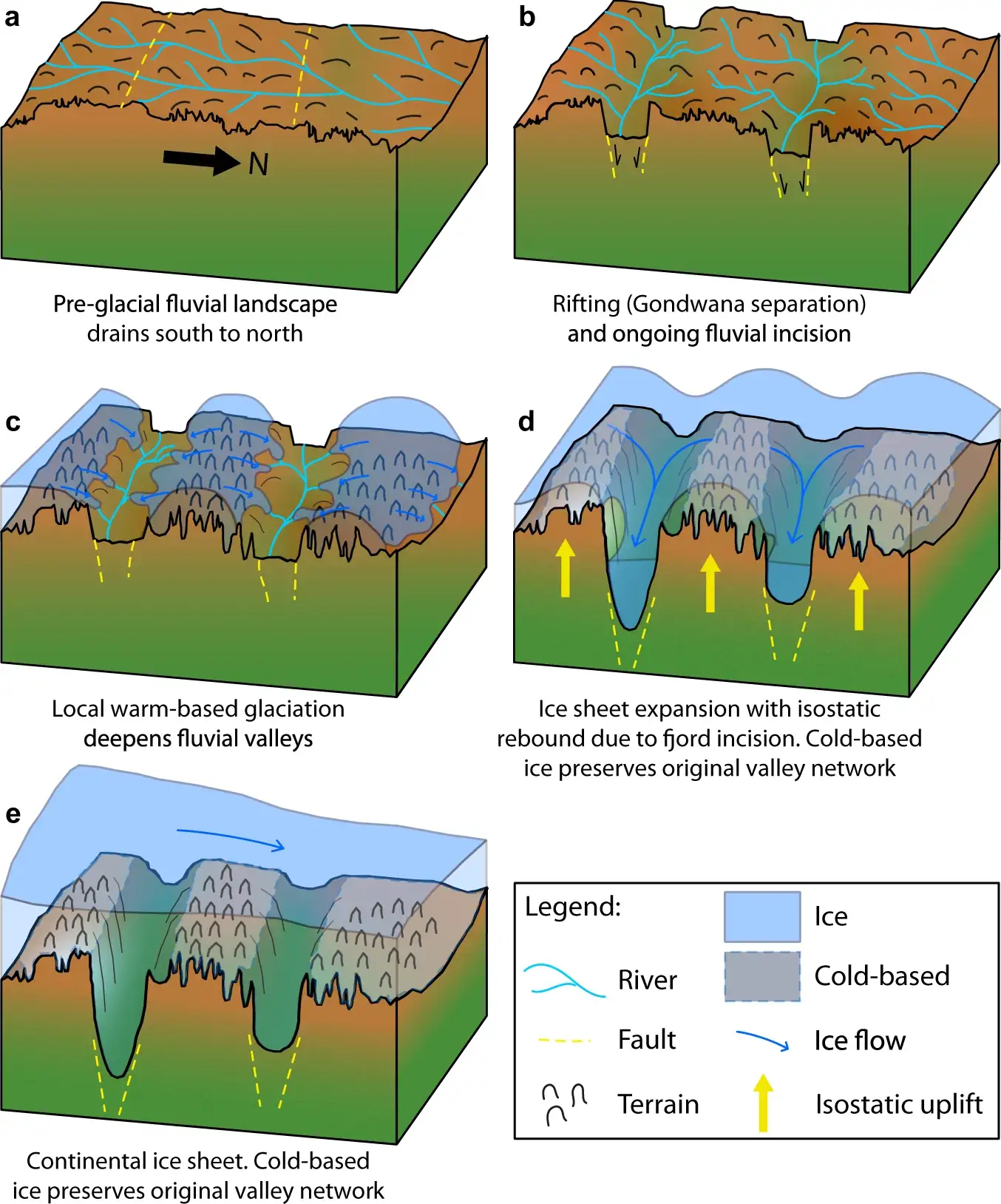
This newly found terrain reveals a prehistoric Antarctica that was once much warmer and wetter than today. Instead of vast ice sheets, the land was traversed by active rivers and supported thriving forests. At that time, Antarctica was connected as part of Gondwana, along with landmasses including Africa, South America, and Australia.
The study indicates that the frozen landscape has remained stable for millions of years, with glaciers only advancing roughly 20 million years ago. This discovery highlights the dramatic climate transition Antarctica underwent—from a verdant, forested continent to today’s frigid, ice-dominated wilderness.
Charting Long-Lost River Pathways
Combining data from RADARSAT satellites and radio-echo sounding (RES) surveys conducted by the International Collaborative Exploration of the Cryosphere through Airborne Profiling (ICECAP) project, the team generated detailed maps of the subglacial terrain. The revealed valleys, ridges, and channels clearly indicate an ancient river network that carved the land, offering vital clues about the region’s prehistoric climate.
These findings serve multiple scientific purposes, improving our understanding of early environmental conditions and revealing how rivers sculpted the earth prior to glaciation. The preservation of these features beneath the ice grants unprecedented insight into Earth's climatic evolution.
Understanding East Antarctica’s Ice Evolution
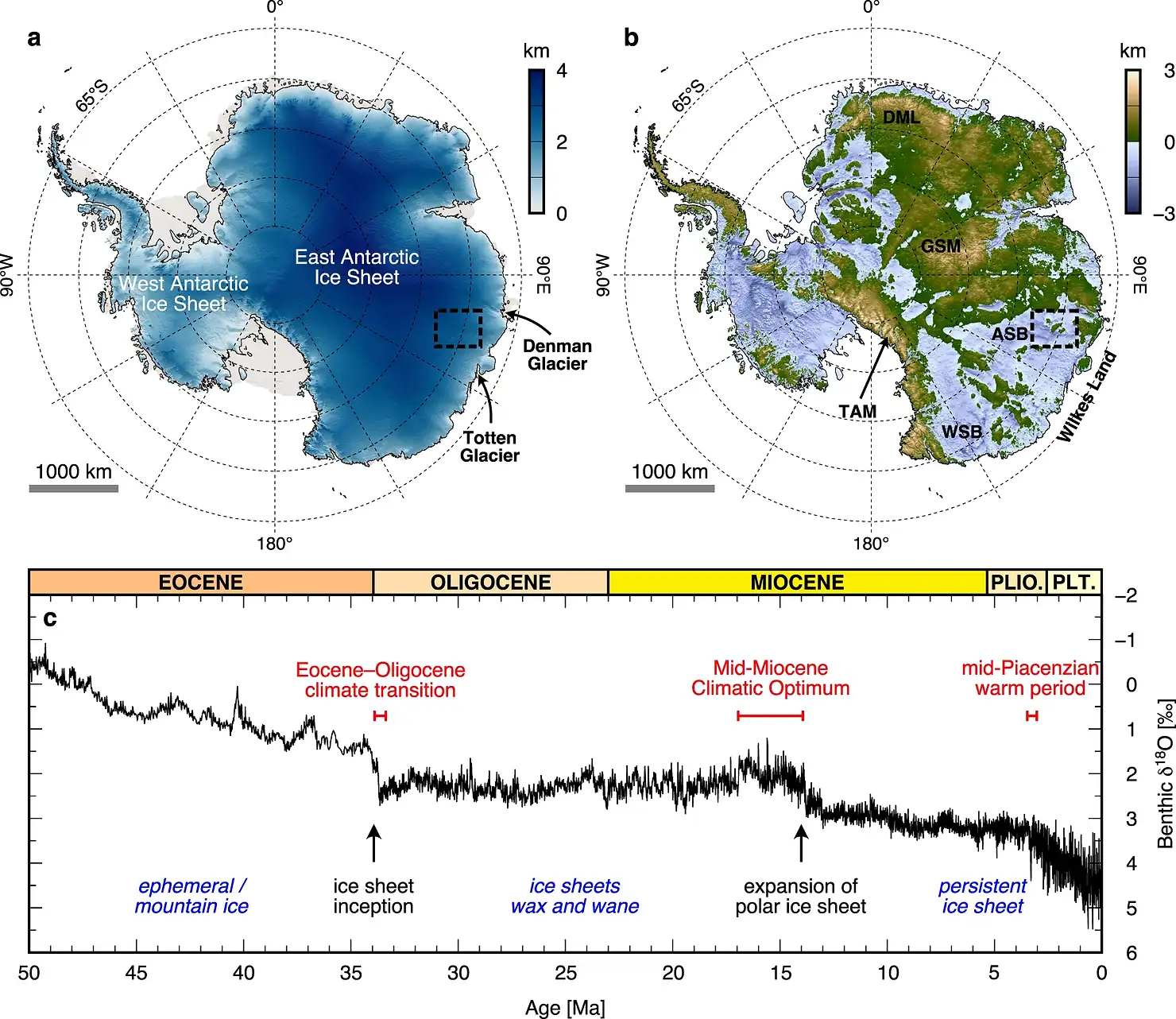
Insight into the East Antarctic Ice Sheet's formation emerges from this study, placing its origins around 34 million years ago during the Eocene-Oligocene transition—a time marked by global cooling and falling CO2 levels. Over subsequent millennia, glaciers expanded, merging to form today’s colossal ice sheet. Investigating the underlying landforms is vital to grasp how the ice sheet has fluctuated across epochs.
The team’s research shows that ancient river systems shaped the terrain prior to ice coverage. Studying these buried geomorphological features enhances knowledge of ice sheet dynamics, including its retreats during past warmer periods such as the mid-Pliocene and Pleistocene epochs.
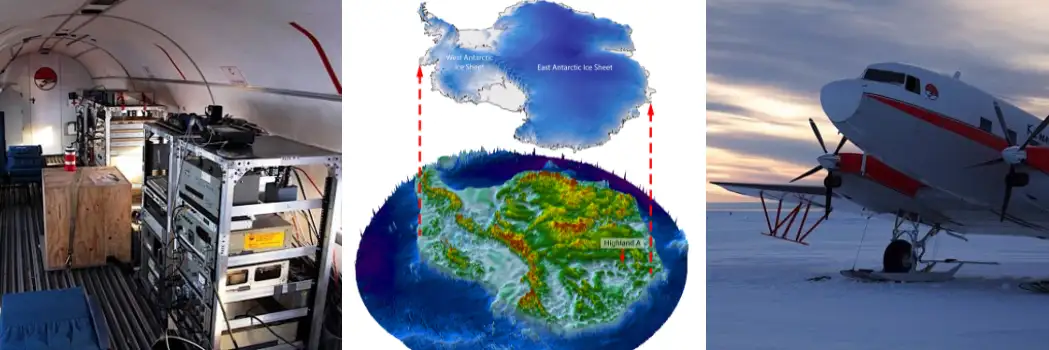
By identifying concealed mountains, canyon networks, and subglacial lakes, the team has created new perspectives on ice sheet history and the influence of ancient rivers beneath. These insights are crucial for predicting how the ice sheet may respond to future climate shifts.
Satellite Innovations Unlocking Subglacial Secrets
This research combined satellite radar imaging with geophysical measurements to reveal the hidden landscape. The RADARSAT satellites excelled in pinpointing subtle ice surface variations, illuminating the terrain under kilometers of ice. Complementing this, radio-echo sounding (RES) data revealed detailed topographies.
Additionally, flexural modeling contributed to understanding how glaciation sculpted the land over millions of years. Findings indicate fluvial erosion dominated before ice formation, underscoring ancient rivers' role in shaping Antarctica’s original landscape.
Broader Impact on Climate Research
Beyond Antarctica’s history, these discoveries offer vital clues for current climate science. Preserved ancient landscapes provide context for anticipating how the East Antarctic Ice Sheet may react to ongoing global warming. Since ice sheet changes directly affect sea levels worldwide, predicting its future behavior is essential.
Continuous observation of the EAIS remains critical. By correlating ancient terrain features with past climate patterns, scientists can refine models forecasting ice sheet dynamics. This knowledge supports global efforts to address climate change impacts and prepare for future sea-level rise consequences.
- Categories:
- Science




0 comments
Sign in to Comment