
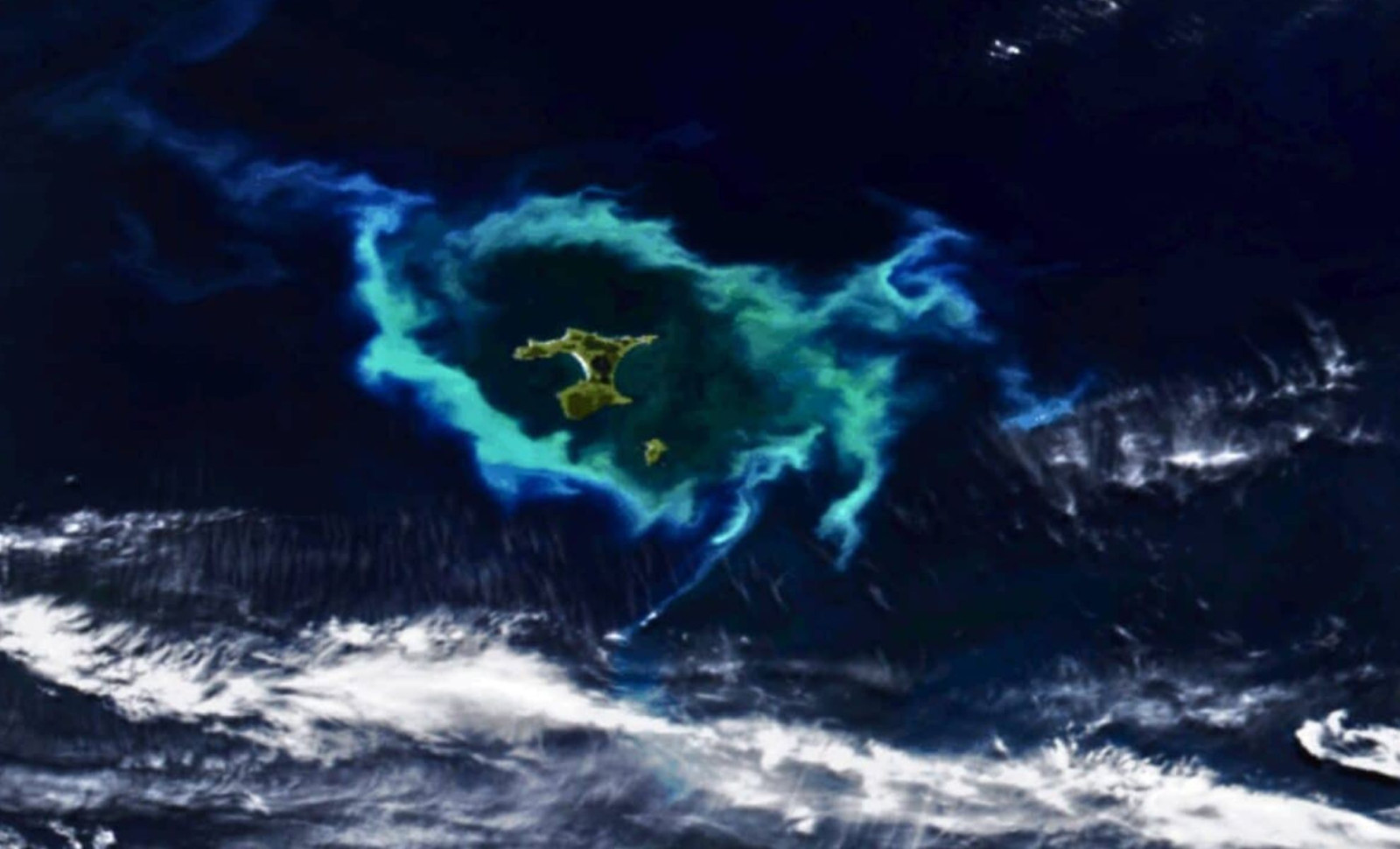
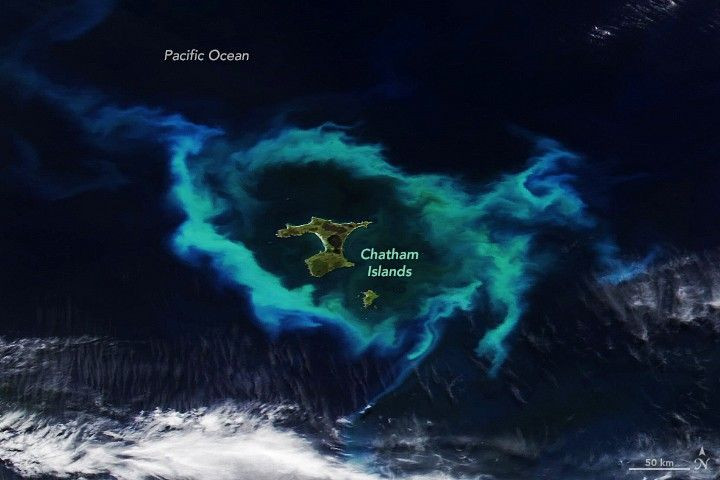
On January 10, 2026, the NOAA-20 satellite’s VIIRS sensor captured a luminous ring in shades of turquoise and green encircling the Chatham Islands, a remote archipelago about 800 kilometers (500 miles) east of New Zealand’s South Island. NASA’s Earth Observatory published this striking image on January 16, highlighting an enormous phytoplankton bloom visible from space with the naked eye.
This vivid formation followed the edge of an underwater feature called the Chatham Rise, transforming a seasonal oceanic occurrence into an extraordinary geometric pattern. The islands are small and isolated, with the largest, Chatham Island, spanning approximately 58 kilometers (36 miles) and nearby Pitt Island covering nearly 15 kilometers (9 miles). The remoteness of the location makes satellite technology crucial for spotting large-scale phenomena like this bloom in such a distant ocean area.
Underwater Topography Shapes the Bloom
The Chatham Rise is a submerged plateau that extends eastward from New Zealand’s South Island, flanked by deeper waters to the north and south. This formation acts like an undersea ramp, elevating deep, nutrient-packed waters upward as they traverse the plateau.

Frigid currents rich in nutrients ascend from Antarctic waters and encounter the Chatham Rise, forcing these waters to the surface where they blend with warmer, nutrient-deficient subtropical waters. This nutrient enhancement, paired with the long daylight hours of the southern hemisphere’s summer, provides ideal conditions for rapid phytoplankton growth over a vast area.
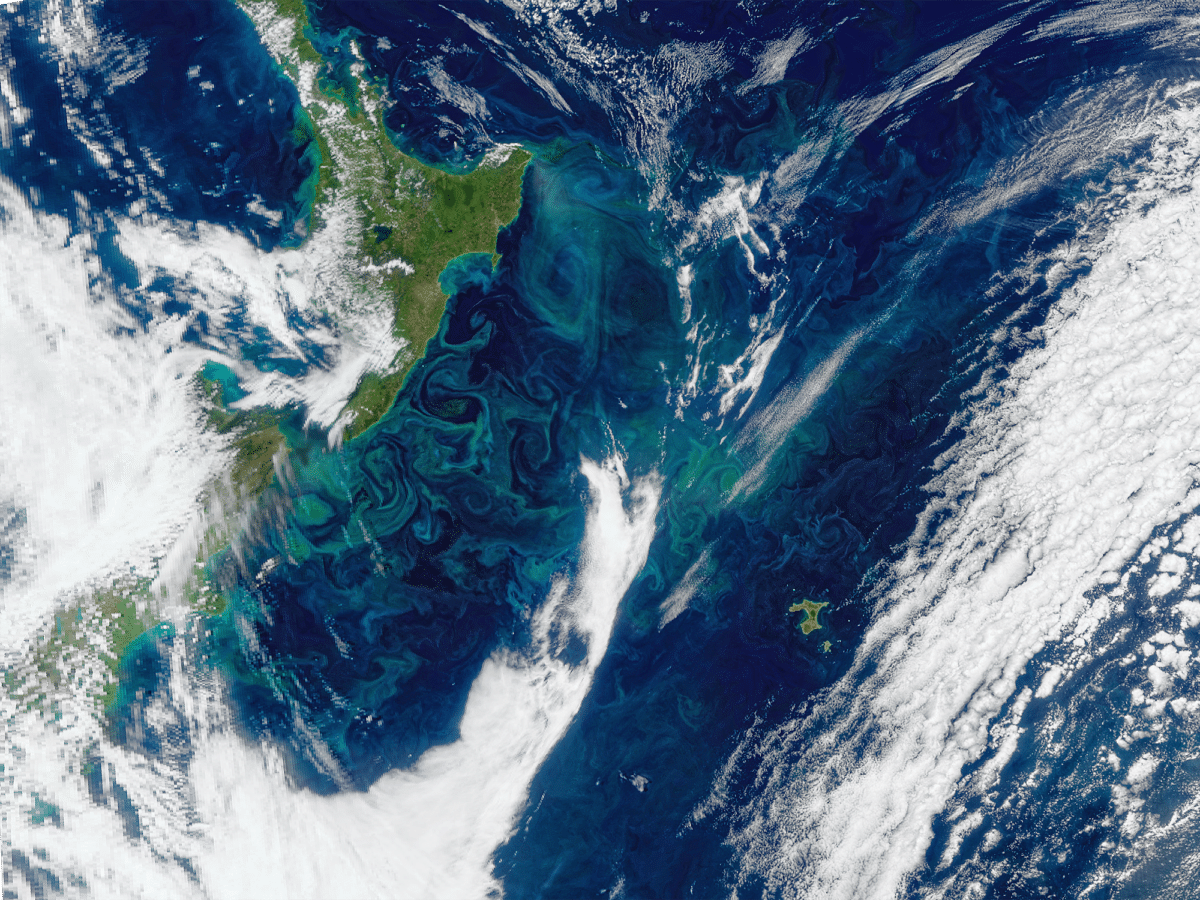
After formation, surface currents and swirling eddies move the microscopic organisms into twisting shapes and spirals visible in satellite imagery. These patterns arise from the small-scale ocean surface currents that stretch and fold clusters of phytoplankton, akin to how cream swirls into coffee.
According to NASA, such blooms frequently appear along the Chatham Rise, with similar cases documented previously, like a bloom in December 2009. What sets the January 2026 event apart is the bloom’s immense size and remarkable, sharply defined ring encircling the islands.
Calcium Carbonate-Shelled Phytoplankton Likely Responsible
The bloom’s distinctive milky turquoise hue suggests it was dominated by coccolithophores, a type of phytoplankton that produce tiny shells made of calcium carbonate. These shells scatter sunlight to create the pale turquoise color satellites detect, contrasting with the darker greens typical of other algae varieties.
The satellite image was captured using a near-infrared filter, which enhanced the contrast between the bloom and the open ocean around it. This filtering contributed to the distinct clarity of the bloom’s circular shape against the dark surrounding waters.
Notably, no direct water samples were collected during this bloom event. The identification of the coccolithophores stems from satellite-based optical data rather than physical examination of the water.
This satellite identification method aligns with earlier research: a 2001 study published in the New Zealand Journal of Marine and Freshwater Research employed satellite ocean-color data to map phytoplankton distributions around New Zealand and frequently noted the same turquoise signature associated with coccolithophore blooms in Chatham Rise waters.
Ecological Importance of the Bloom
Phytoplankton form the foundation of the oceanic food chain. Such a vast bloom delivers a surge of energy supporting marine life from tiny crustaceans and fish to apex predators.
The Chatham Islands sustain thriving fisheries dependent on this productive ecosystem, including species like pāua, rock lobster, and blue cod. These fisheries rely heavily on nutrient-rich waters consistently supplied by the Chatham Rise.
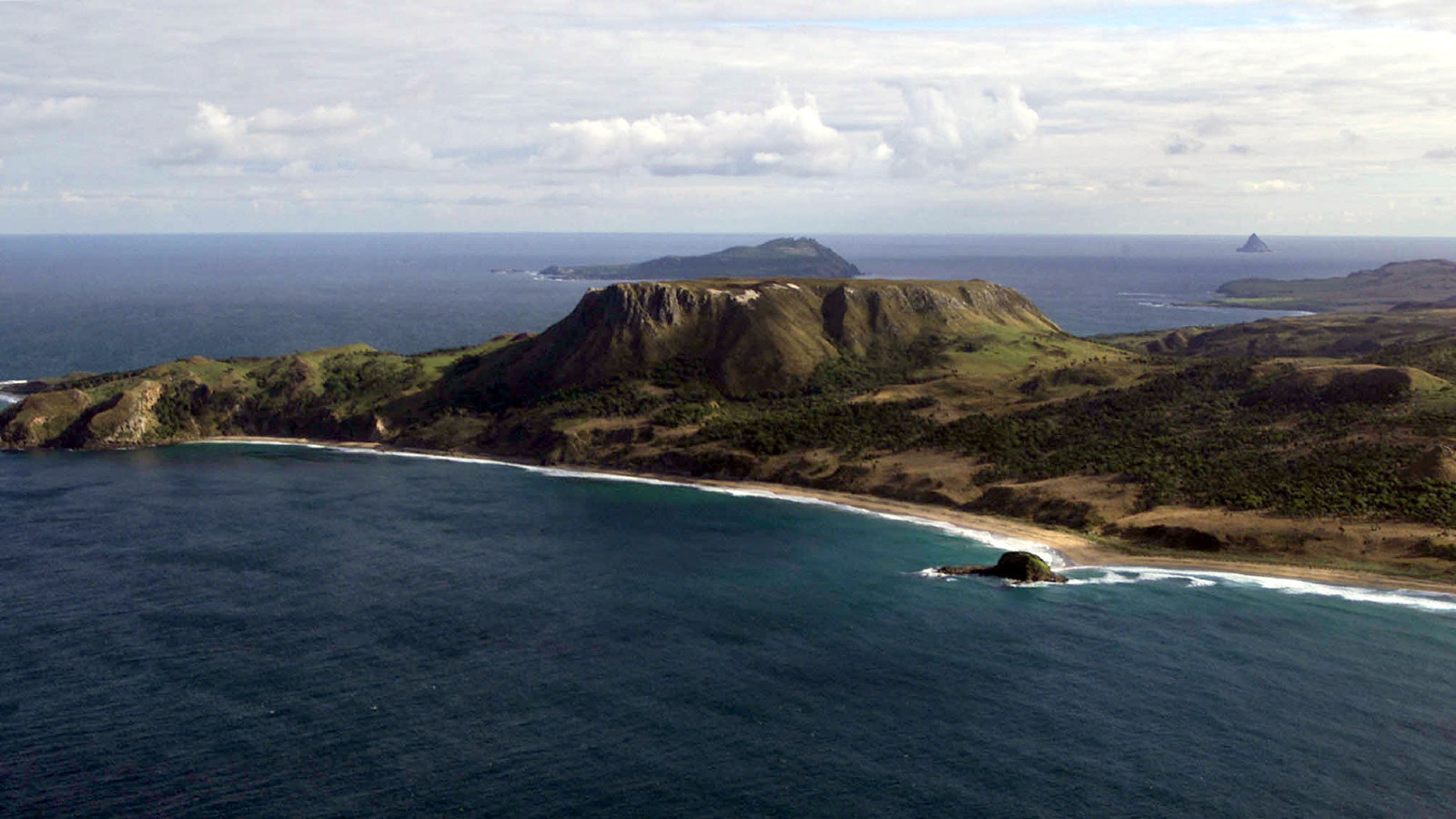
The surrounding ocean hosts an impressive range of species, including five types of seals, nearly 25 whale and dolphin species, as well as penguins, albatrosses, and sea lions, making it among the South Pacific’s most vibrant marine ecosystems.
This rich biodiversity hinges on the seafloor landscape that consistently channels nutrient-dense waters upwards, fueling sea life and sustaining fisheries and marine mammals alike year after year.
A Region Marked by Tragic Marine Strandings
Despite its ecological wealth, the shallow seas near the Chatham Islands have a grim history. The area is notorious for repeated whale and dolphin strandings over more than a hundred years.
Pilot whales are particularly at risk because of their close-knit pod behavior. When one whale becomes confused or injured near the shore, others often follow, leading to mass strandings along the beaches where falling tides can trap them.
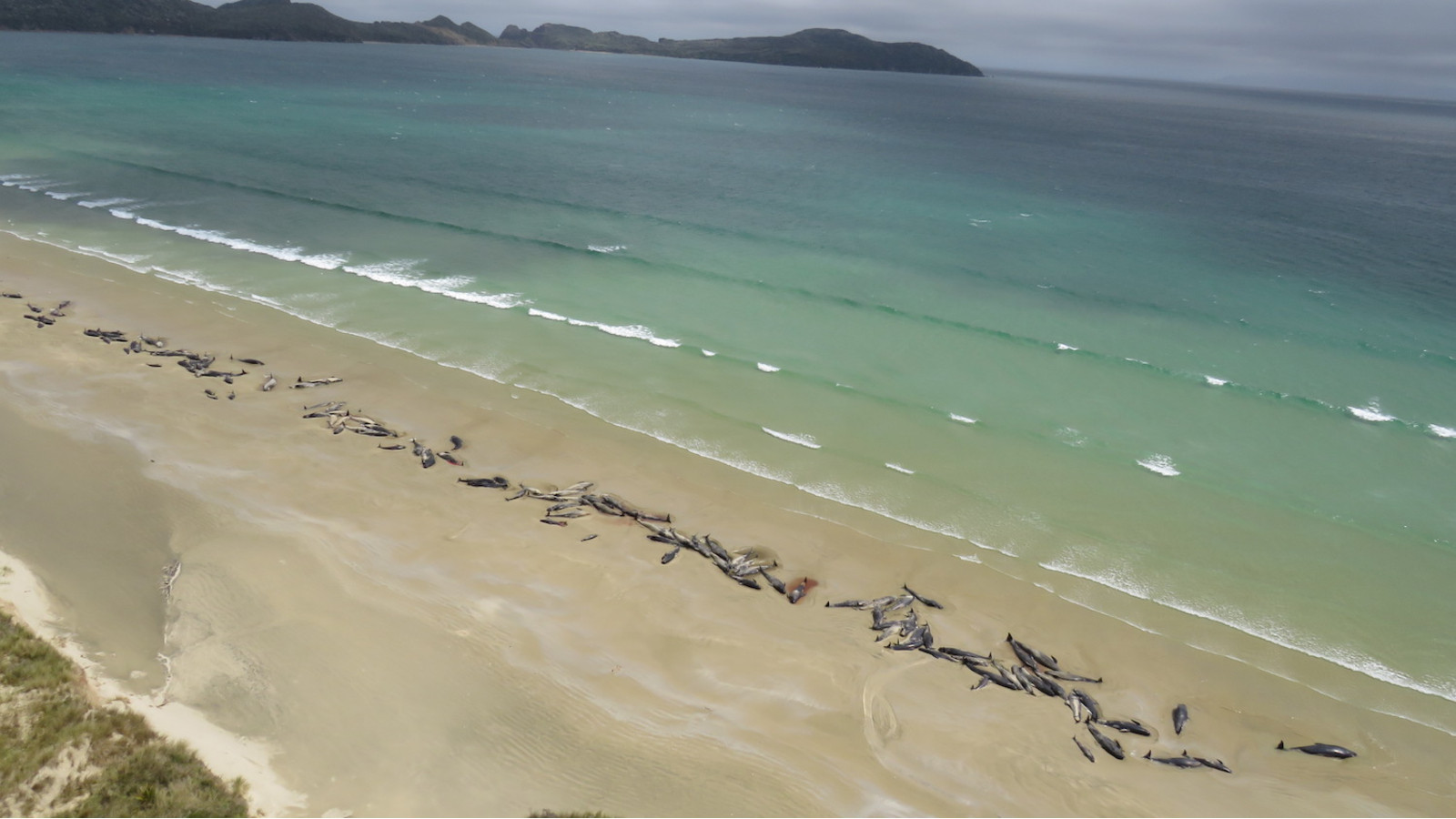
In October 2022, nearly 500 pilot whales were beached on Chatham Island over four days and were unfortunately euthanized, as New Zealand’s Department of Conservation concluded rescue efforts were unfeasible due to the number involved and remoteness of the location.
This was not the worst incident recorded: in 1918, over 1,000 pilot whales perished in a single stranding event on the same island, marking the deadliest documented whale stranding in history.
- Categories:
- Science




0 comments
Sign in to Comment