
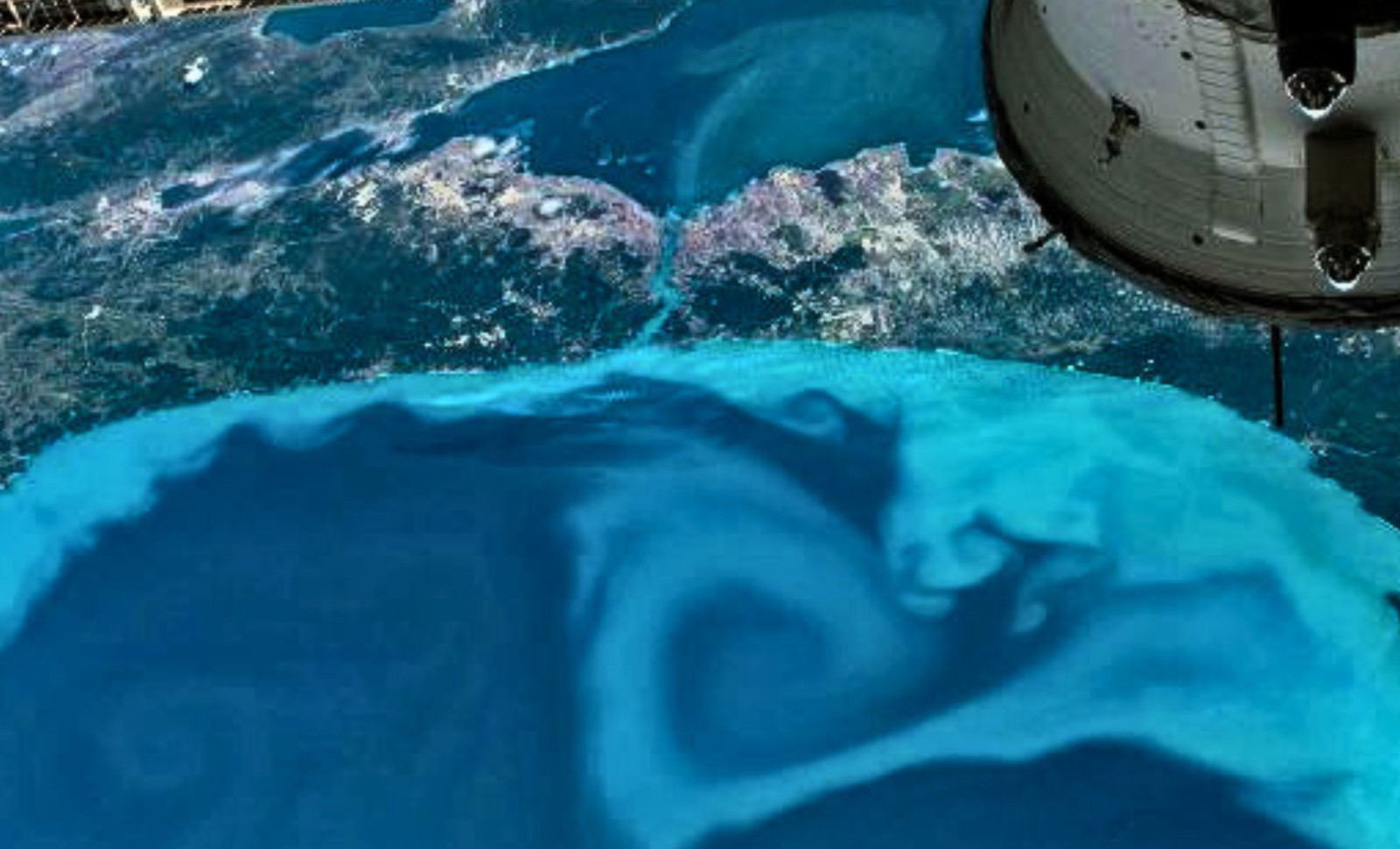
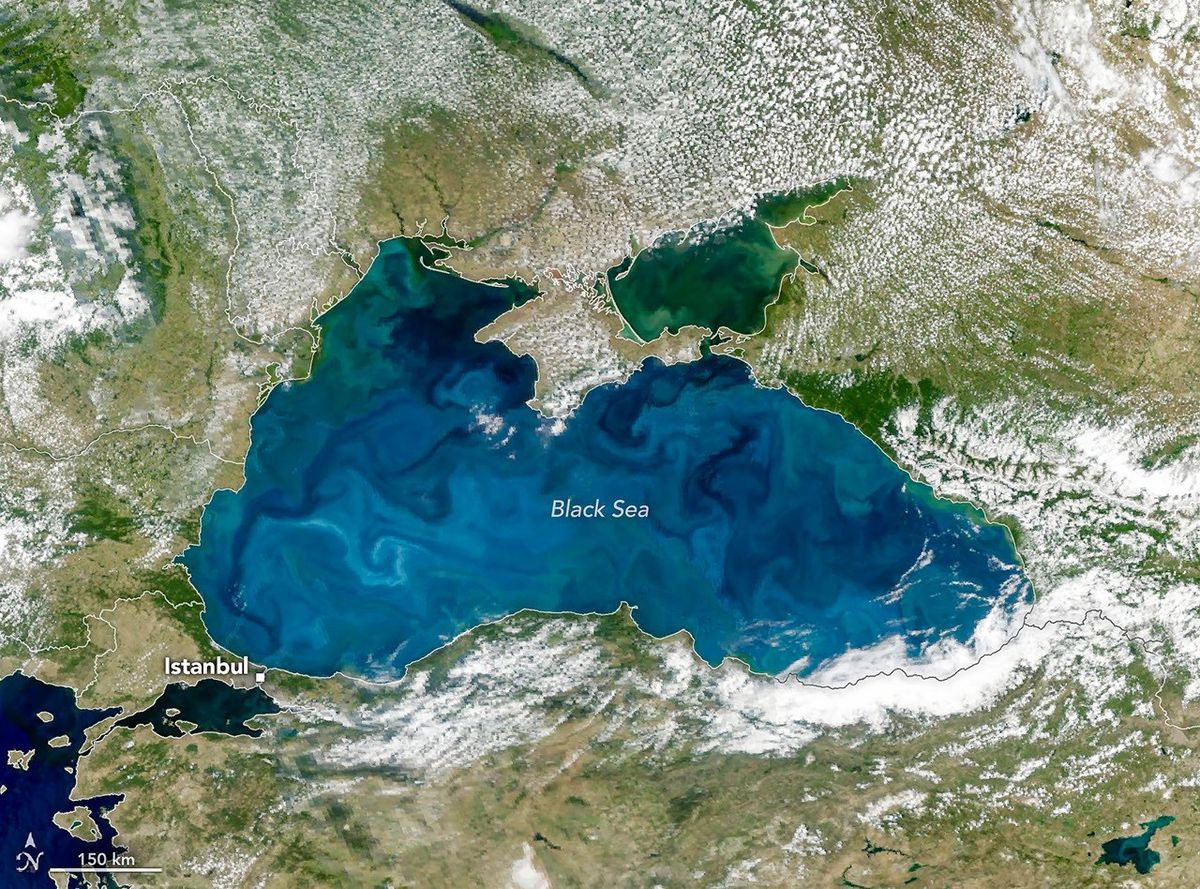
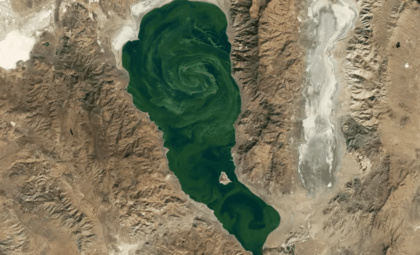
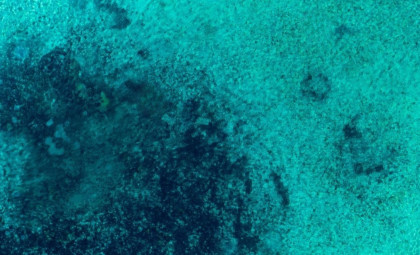
Every spring, the Black Sea undergoes a dramatic transformation from deep blue to a milky, swirling shade of turquoise. This color change is caused by coccolithophores, tiny single-celled algae encased in minute calcium carbonate plates that scatter sunlight, creating vibrant blue-green hues across vast sections of ocean surface.
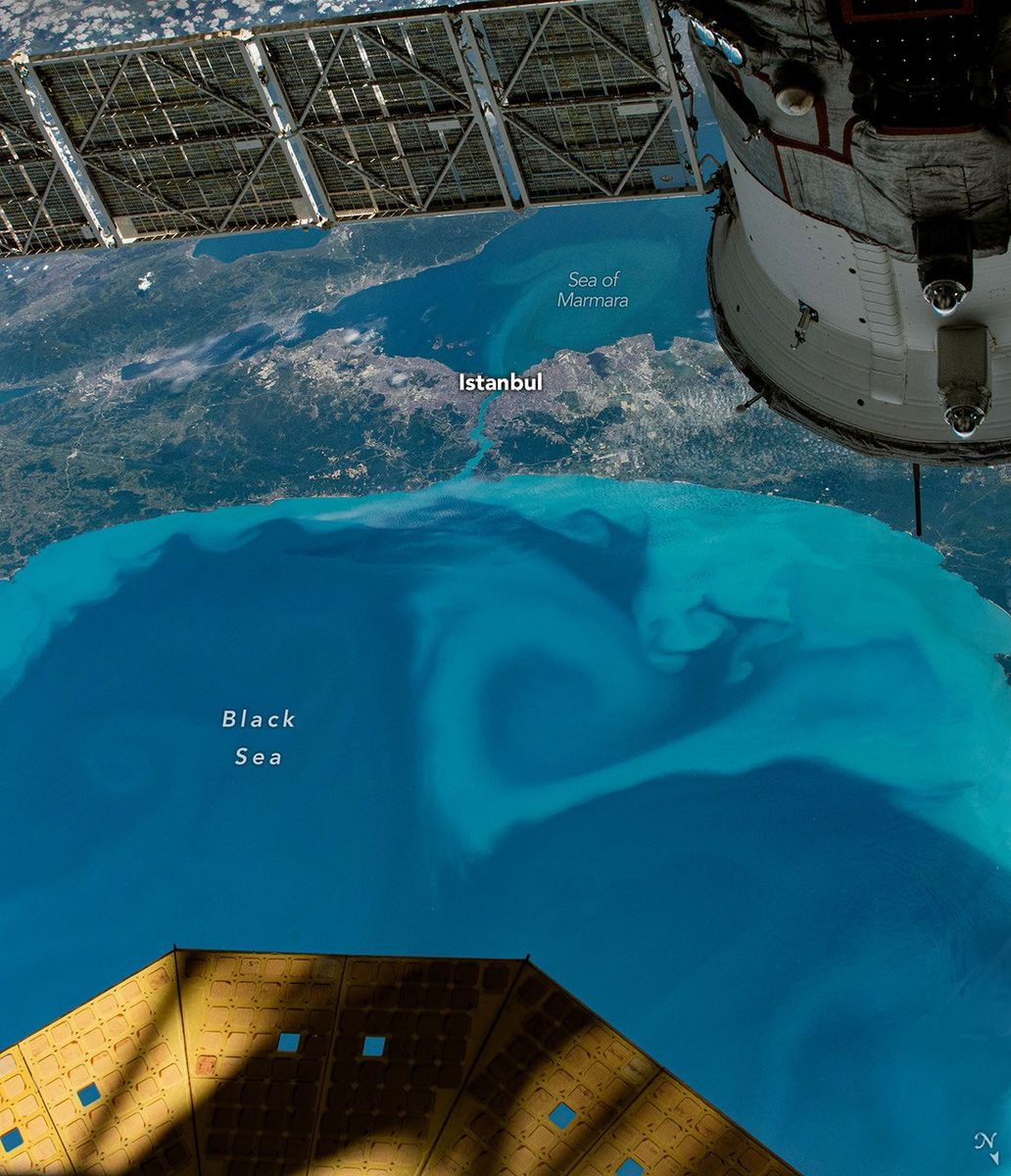
On June 22, 2026, NASA’s PACE satellite captured this phenomenon in full bloom. Its Ocean Color Instrument (OCI) highlighted the sea’s radiant turquoise glow from orbit. Additionally, a photograph from May 27, taken by an astronaut aboard the International Space Station, displayed the same turquoise currents streaming through the Bosphorus strait in Istanbul, marking the connection between the Black Sea and the Sea of Marmara.
Beyond the stunning visuals, these images raise important biological and chemical questions scientists have sought to understand for years: what triggers these blooms, what influences their extent, and what causes them to subside? A recent publication in the journal Diversity by researchers at the Shirshov Institute of Oceanology revealed that in 2022 and 2023, coccolithophore blooms in the northeastern Black Sea persisted much longer than usual, continuing well into July instead of ending by mid-June as is typically observed.

The investigation pinpointed a unique combination of gentle wind conditions, thermal layering in the water, and nutrient imbalances that prolonged the blooms’ lifespan and delayed the seasonal transition by about two months.
Extended Summer Blooms Driven by Calm Winds and Nutrient Shifts
Typically, the Black Sea experiences a consistent seasonal cycle. Coccolithophores dominate the surface waters in late spring. By early summer, nitrogen levels decrease, water stratification weakens, and diatoms—another type of microscopic algae with silica shells—begin to dominate. These diatom blooms darken the water, replacing the turquoise brightness and signaling the end of the coccolithophore season. However, in 2022 and 2023, this shift didn’t occur as expected.
The Diversity study attributes this anomaly largely to an extended period of weak winds. Usually, wind-induced mixing disrupts the thermocline, a layer where water temperature quickly drops with depth. When this layer breaks down or deepens, coccolithophores lose the calm, well-lit surface waters they need for growth.
In 2022, the thermocline remained just three to eight meters deep for much of June and July, significantly shallower than average, providing coccolithophores a prolonged window of ideal conditions. The following year, 2023, saw a similarly extended calm wind period from April until July, sustaining four months of active carbonate production.
Changes in nutrient availability also contributed. Coccolithophores thrive better than diatoms with low nitrogen but higher phosphorus levels, since they require much less nitrogen for growth. In July 2022, two heavy rainfall events—each depositing over 30 millimeters in a day—introduced extra phosphorus into coastal waters, boosting conditions that favored Gephyrocapsa huxleyi, the dominant coccolithophore species in the Black Sea. Cell concentrations exceeded nine million per liter at their peak that June.
Implications of Coccolithophore Blooms for Ocean Carbon Dynamics
The bright turquoise coloration is visible from space because dense concentrations of coccolithophores collectively alter the ocean’s surface color through reflections from their calcium carbonate shells. This density also plays a significant role in the chemistry of the ocean. Coccolithophores are part of the biological carbon pump, a system wherein marine life captures atmospheric CO2 and transports it to deeper ocean layers.
Specifically, coccolithophores drive the carbonate pump. During the creation of their calcium carbonate plates, they utilize dissolved carbon from seawater, which helps remove CO2 from the atmosphere. When the organisms die, some carbon-rich material sinks to the seabed, providing long-term carbon storage. NASA’s Earth Observatory has monitored this process continuously in the Black Sea, noting that these blooms play a key role in the ocean’s carbon cycle through sedimentation of carbon-bearing particles.
However, calcification by coccolithophores releases CO2 as a byproduct, which elevates the carbon dioxide partial pressure in surface waters, thereby reducing the ocean’s overall ability to absorb CO2 from the atmosphere. This sets the carbonate pump apart from the organic pump associated with diatoms, which fix carbon through photosynthesis without releasing CO2.
The prolonged dominance of the carbonate pump in the northeastern Black Sea during 2022 and 2023 had a direct impact on the ocean’s efficiency in drawing down atmospheric carbon.
The Black Sea as a Natural Laboratory for Carbon Cycle Shifts
Scientists often use the Black Sea to study how the biological carbon pump reacts to environmental changes due to its confined geography, predictable seasonal patterns, and extensive observational data.
The 25-year record examined in the Diversity article showed that blooms lasting into July occurred only twice: in 2022 and 2023. While the researchers caution against labeling this as a definitive trend, they emphasize that the factors influencing these changes are sensitive to climate-driven meteorological variations.
Two contrasting future scenarios are proposed. One suggests that warming surface waters may strengthen stratification, stabilizing the shallow thermocline preferred by coccolithophores and boosting carbonate pump activity, thereby diminishing oceanic CO2 uptake. Alternatively, increasing storm frequency could induce more mixing, deepen the thermocline, favor diatom proliferation, and enhance the organic carbon pump.
The authors stress that longer-term monitoring is essential to differentiate these paths, as short-term variability from storms and rainfall can obscure broader shifts in datasets spanning just a few years.
- Categories:
- Science


0 comments
Sign in to Comment